
A broken blood vessel in your eye looks alarming, but it is usually harmless. The medical name is a subconjunctival hemorrhage. It happens when a tiny blood vessel breaks just under the clear surface of your eye. The blood pools between the white part and the clear covering, creating a bright red patch. Most of the time, it heals on its own within one to two weeks without any treatment. You cannot speed up the healing process dramatically, but you can help your eye feel more comfortable and avoid making it worse while it clears.
What Actually Causes a Broken Blood Vessel in the Eye?
The white part of your eye is covered by a thin, clear membrane called the conjunctiva. This membrane contains many small blood vessels. When one of these vessels breaks, blood leaks into the space between the conjunctiva and the white part of the eye, called the sclera. Because this space is thin and clear, the blood spreads out and becomes very visible.
The most common causes are everyday activities that raise pressure in your head or chest. Sneezing hard, coughing violently, lifting something heavy, or straining during a bowel movement can all cause a vessel to break. Rubbing your eye too hard is another common trigger. Eye trauma, even minor, can also cause it. Sometimes it happens without any clear reason, especially in the morning when you look in the mirror.
Certain health conditions can make you more prone to these hemorrhages. High blood pressure is one. Blood-thinning medications, including aspirin and warfarin, also increase the risk. If you get these hemorrhages frequently, or if they happen with other symptoms like headaches, it is worth discussing with your doctor. But a single episode in an otherwise healthy person is rarely a cause for concern.
How To Heal a Broken Blood Vessel in Eye Fast: What Works
There is no proven way to make the blood disappear faster. The body must reabsorb the blood, and that takes time. However, you can do a few things to support the process and keep your eye comfortable while it heals.
Artificial tears are the most helpful over-the-counter option. They do not heal the broken vessel, but they soothe any gritty or scratchy feeling. Use preservative-free artificial tears if you need them more than four times a day. Lubricating eye drops can also reduce the urge to rub your eye, which is important because rubbing can cause another hemorrhage.
A warm compress can help in the later stages of healing. Some ophthalmologists suggest using a warm, not hot, compress after the first 48 hours. The warmth may increase blood flow to the area and help the body clear the pooled blood slightly faster. This is not a proven treatment, but it is safe and can feel soothing. Do not press hard. Just rest a clean, warm cloth over your closed eye for a few minutes at a time.
You cannot speed up the breakdown of the blood itself. No eye drop, supplement, or home remedy has been shown to dissolve the blood faster. Be wary of any product that claims to do so. The body breaks down the red blood cells and carries them away through normal circulation. This process typically takes seven to fourteen days.
What Not To Do When You Have a Broken Blood Vessel in Your Eye
Some common instincts make things worse. Do not rub your eye. Rubbing can re-rupture the same vessel or break a new one. It also introduces bacteria from your hands, which raises the risk of infection.
Avoid using “redness relief” eye drops. These drops contain vasoconstrictors, which shrink blood vessels. They will not help a subconjunctival hemorrhage because the bleeding has already occurred. The blood is outside the vessel, and shrinking other vessels does nothing to clear it. These drops can also cause rebound redness if used for several days, making the eye look worse.
Do not take aspirin or ibuprofen for pain unless your doctor has told you to take them regularly. These drugs thin the blood and can slow down healing or increase the risk of another hemorrhage. Acetaminophen is a safer choice if you need pain relief, though most subconjunctival hemorrhages do not cause actual pain. If you have significant pain, that is a different problem and you should see a doctor.
Do not assume the red eye is a broken blood vessel if you have pain, vision changes, or discharge. Those symptoms suggest a different condition, such as an infection or inflammation inside the eye. A true subconjunctival hemorrhage does not hurt and does not affect vision.
How Long Does It Take for the Eye to Look Normal Again?
Most subconjunctival hemorrhages clear completely within one to two weeks. The timeline depends on the size of the bleed. A small hemorrhage may fade in a few days. A large one can take up to three weeks to fully disappear.
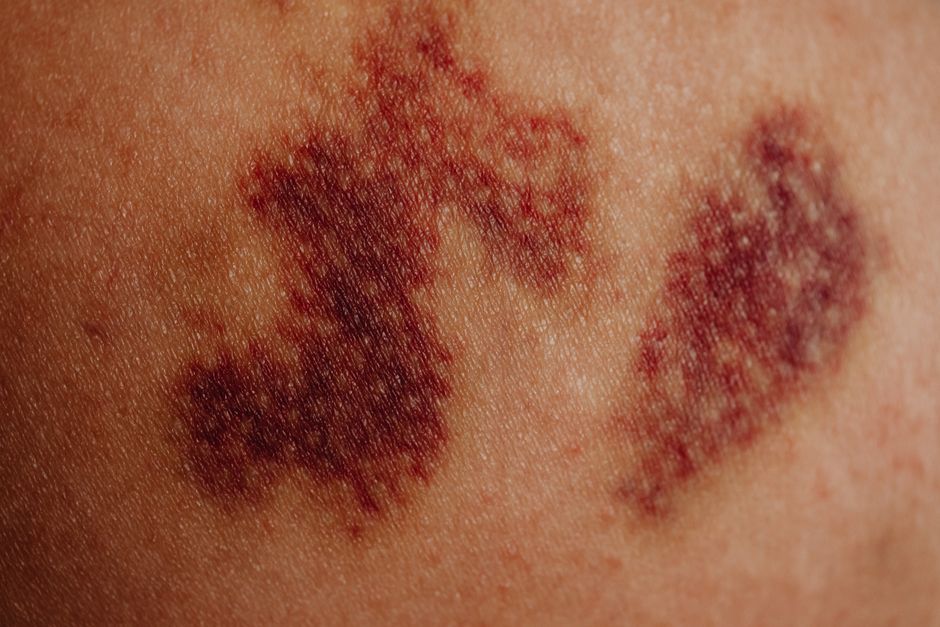
The color changes during healing. The bright red patch may turn darker red or even brownish over the first few days. This is normal. It then fades to a yellowish color, similar to how a bruise on your skin changes color. This yellowing happens because the body is breaking down the hemoglobin in the trapped blood. The color change is a sign that healing is progressing, not a sign of a problem.
The blood does not spread across the whole eye. It settles in the space under the conjunctiva and slowly gets absorbed. You may notice the patch looks larger on the second day. This is because gravity and normal eye movement allow the blood to spread slightly before it starts being absorbed. This is normal and not a reason for concern.
When Should You See a Doctor for a Red Eye?
A broken blood vessel alone does not require a doctor visit. But you should see an eye doctor or go to urgent care if you have any of the following symptoms alongside the redness:
- Pain in the eye
- Changes in vision, including blurriness or loss of vision
- Light sensitivity that is new or unusual
- Discharge from the eye
- Recurrent hemorrhages without a clear cause
- You are taking blood thinners and the hemorrhage is large or frequent
These symptoms suggest the problem is not a simple subconjunctival hemorrhage. They could indicate an eye infection, inflammation inside the eye, or a more serious condition like a retinal tear. A doctor can examine your eye with a slit lamp and determine the actual cause. If you have high blood pressure and get these hemorrhages often, your doctor may want to check your blood pressure readings and adjust your treatment.
There is no home test that can tell the difference between a harmless hemorrhage and a more serious eye condition. When in doubt, get it checked. An eye exam is quick, painless, and gives you a definitive answer.
Can You Prevent a Broken Blood Vessel in Your Eye?
You cannot prevent every subconjunctival hemorrhage. Many happen spontaneously without warning. But you can reduce the risk for the ones caused by straining.
If you lift heavy weights, exhale while you lift rather than holding your breath. Holding your breath increases pressure in your chest and head, which raises the pressure in the blood vessels of your eye. The same applies to any heavy physical exertion. If you have chronic constipation, treating it can reduce the straining that often triggers these hemorrhages. Drinking enough water and eating fiber-rich foods can help.
If you have high blood pressure, keeping it under control reduces your risk. Uncontrolled hypertension makes blood vessels more fragile and more likely to break. Regular blood pressure checks are important, especially if you are over 40 or have a family history of high blood pressure.
Do not rub your eyes, even when they feel itchy or tired. If your eyes feel dry, use artificial tears instead of rubbing. If you wear contact lenses, make sure they fit well and follow the recommended wearing schedule. Poorly fitting lenses can cause you to rub your eyes or cause trauma to the surface of the eye.
Frequently Asked Questions
Can a broken blood vessel in the eye cause permanent damage?
No. A subconjunctival hemorrhage does not damage the eye or affect vision. The blood is absorbed completely, and the eye returns to normal.
Is a broken blood vessel in the eye a sign of high blood pressure?
Not necessarily. A single hemorrhage is usually caused by straining or minor trauma. But frequent hemorrhages can be a sign of high blood pressure, so it is worth having your blood pressure checked.
Can I wear contact lenses with a broken blood vessel in my eye?
You can, but it may be uncomfortable. If the eye feels gritty or irritated, wearing glasses until the hemorrhage clears is more comfortable. Do not wear contacts if you have any pain, discharge, or vision changes.
Do warm compresses actually speed up healing?
Some doctors recommend them after the first 48 hours, but no strong evidence proves they speed healing. They are safe and may help with comfort, but the blood will clear on its own regardless.
