
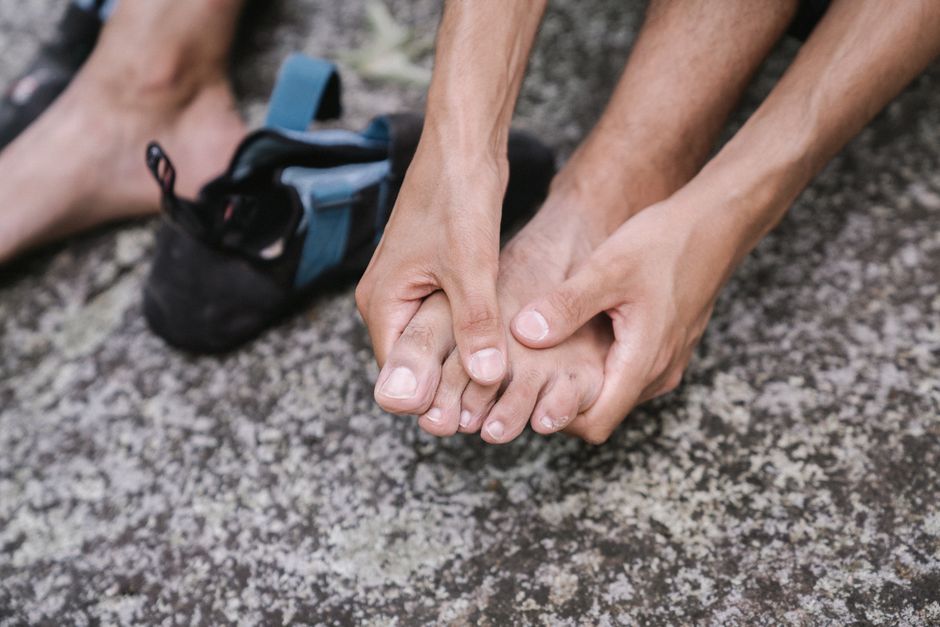
A blister on your heel is a fluid-filled pocket that forms when friction damages the upper layers of skin. The fastest way to heal one is to protect it from further rubbing, keep the area clean, and let your body do the repair work. If the blister is small and intact, leave it alone and cover it with a protective dressing. If it is large, painful, or likely to burst on its own, you can drain it safely with a sterilized needle while keeping the roof of the skin intact. The goal is not to speed up the biology of healing, but to stop the damage and prevent infection so your skin can rebuild without interruption.
Why Do Heel Blisters Form?
Heel blisters are caused by repeated friction against the skin. This usually happens when a shoe is too tight, too loose, or new and not yet broken in. Moisture makes the problem worse. Sweaty feet stick to socks and shoes, which increases the rubbing force on the skin.
The skin responds by separating its layers and filling the gap with fluid. That fluid cushions the damaged tissue underneath. It gives the new skin a clean, protected space to grow. This is why an intact blister is better than a broken one — the roof of the blister acts as a natural sterile bandage.
Some people get heel blisters more often than others. Feet that sweat heavily, shoes with stiff heel counters, and activities that involve a lot of stopping and starting all raise the risk. Understanding the cause matters because the fastest treatment is useless if you keep doing the thing that created the blister.
How To Heal A Blister On Your Heel Fast
The fastest way to heal a heel blister is to leave it intact and protect it. A small, unbroken blister will usually dry up and peel on its own within a few days. Your body reabsorbs the fluid, the skin underneath hardens, and the outer layer eventually flakes off.
To protect it, use a donut-shaped moleskin pad or a hydrocolloid dressing. Hydrocolloid bandages are especially useful for heel blisters. They stick to the skin around the blister, create a moist healing environment, and absorb fluid if the blister breaks. They also reduce friction because the gel cushion takes the rubbing instead of your skin.
If the blister is already open, clean it gently with mild soap and water. Do not use alcohol or hydrogen peroxide — both irritate the exposed tissue and slow healing. Apply a thin layer of antibiotic ointment or plain petroleum jelly, then cover it with a sterile bandage. Change the dressing daily or whenever it gets wet or dirty.
Should You Pop A Heel Blister?
Do not pop a small blister. The fluid inside is sterile, and the intact skin is the best possible protection against bacteria. Popping it opens a doorway for infection and removes the natural cushion that is already working.
There is one exception. If the blister is large, very painful, or positioned where it will inevitably burst, draining it may be the better choice. This is common with heel blisters because the heel takes so much pressure with every step.
If you decide to drain it, wash your hands and the blister area with soap and water. Swab the blister with rubbing alcohol or iodine. Sterilize a needle by wiping it with alcohol or holding it in a flame until it glows red, then letting it cool. Puncture the blister at its edge, not in the center, and let the fluid drain out. Do not remove the skin roof. Apply antibiotic ointment and cover with a bandage.
Draining a blister does not heal it faster. It only relieves pain and reduces the chance of an accidental tear. The skin roof must stay in place to protect the tender new skin underneath.




Home Treatment Options That Actually Work
Several over-the-counter options genuinely help heel blisters heal faster by protecting the area and maintaining the right moisture balance.
- Hydrocolloid dressings — These are the most effective option for heel blisters. They stay on for days, cushion the area, and create the moist environment that skin needs to rebuild.
- Moleskin with a hole cut out — A classic approach. Cut a hole in the moleskin the size of the blister, place it around the blister, and cover with tape or a bandage. This takes pressure off the blister itself.
- Petroleum jelly — Reduces friction and keeps the skin flexible. Useful for blisters that have already broken.
- Antibiotic ointment — Not necessary for intact blisters. Useful for broken blisters to keep the wound moist and reduce bacterial growth.
Products that claim to “dry out” blisters, such as rubbing alcohol or zinc oxide paste, are not recommended. A blister needs moisture, not dryness, to heal. Drying agents can crack the skin and slow the repair process.
What Not To Do With A Heel Blister
Some common advice is wrong and can make a blister worse. Avoid these actions.
Do not peel the skin off a broken blister. The loose skin is protecting the new skin underneath. Leave it in place and let it fall off naturally. Cutting it off exposes raw nerve endings and increases infection risk.
Do not use ice directly on a blister. Ice reduces blood flow, which slows healing. If the area is swollen or sore, a cool compress for a few minutes is fine, but do not hold ice against it.
Do not wear the same shoes that caused the blister until it heals. If you must wear them, add a heel grip, thicker socks, or a moleskin pad to reduce friction. Continuing to rub the blister is the single most common reason healing takes longer than expected.
Do not ignore signs of infection. Redness spreading beyond the blister edge, warmth, increasing pain, pus, or red streaks moving up your foot all require medical attention. So does a blister that does not improve within a few days or that keeps refilling with fluid.
How Long Does A Heel Blister Take To Heal?
An intact blister that is protected will usually heal in 3 to 7 days. The fluid reabsorbs, the skin hardens, and the outer layer peels off. A broken blister takes longer — typically 7 to 14 days — because the skin must regrow and close the wound.
Healing time depends on several factors. Location matters, and the heel is one of the slowest places because it bears weight constantly. Your age, circulation, and overall health also play a role. People with diabetes or poor circulation should be especially careful with foot blisters because healing is slower and infection risk is higher.
If you have diabetes, check your feet daily. A small blister can become a serious ulcer if not managed properly. See a healthcare provider rather than treating it yourself.
How To Prevent Heel Blisters From Coming Back
Prevention is the best treatment. Once the blister heals, make changes to stop it from happening again.
Wear shoes that fit properly. There should be about a thumb’s width of space between your longest toe and the end of the shoe. The heel should not slip when you walk. If it does, the shoe is too loose or needs a heel grip.
Break in new shoes gradually. Wear them for short periods before a full day of activity. This lets the material soften and mold to your foot before it has to handle heavy friction.
Wear moisture-wicking socks. Cotton socks absorb sweat and stay wet against the skin, increasing friction. Synthetic blends that pull moisture away from the skin reduce blister risk significantly.
Use a friction-reducing balm or powder on your heels before activity. Products containing petroleum jelly or silicone create a slippery layer between skin and sock. Some research suggests these products reduce blister formation, though results vary.
When To See A Doctor
Most heel blisters are minor and heal without medical care. But some situations require professional attention.
See a doctor if the blister shows signs of infection: spreading redness, warmth, pus, or red streaks. See a doctor if you have diabetes, peripheral artery disease, or a weakened immune system. See a doctor if the blister is very large, does not heal after two weeks, or keeps filling back up with fluid after draining.
A blister that recurs in the exact same spot over and over may also need evaluation. It could be a sign of a foot structure issue or an ill-fitting shoe that needs a professional fitting.
Frequently Asked Questions
Should I pop a blister on my heel?
No, leave it intact unless it is large, very painful, or likely to burst on its own. The intact skin is the best protection against infection.
Does a hydrocolloid bandage work on heel blisters?
Yes, hydrocolloid dressings are one of the most effective options because they cushion the blister, absorb fluid, and maintain a moist healing environment.
Can I walk on a heel blister?
You can walk, but reduce friction with a padded dressing and wear shoes that do not rub the blister. Continuing to rub the area is the main reason blisters take longer to heal.
How long does a broken heel blister take to heal?
A broken blister typically takes 7 to 14 days to heal fully. Keep it clean, covered, and moist to support the skin as it regrows.
