
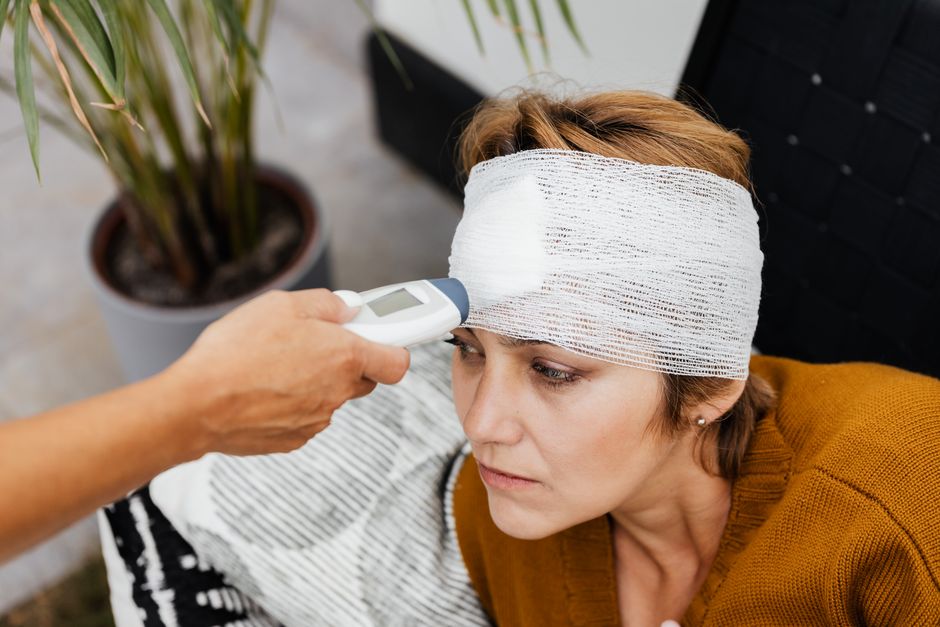
You feel that first tickle in your throat or a sudden wave of fatigue, and you know what is coming. The common cold is caused by a virus, and once it enters your body, it begins to multiply. You cannot kill the virus with a pill, but the first 48 hours are your best window to support your immune system and potentially shorten how long you feel sick. The most effective steps are to rest immediately, stay highly hydrated, and use saline nasal rinses to reduce viral load in your nose.
What Happens In Your Body During The First 48 Hours?
When a cold virus enters your nose or throat, it attaches to the cells lining your airways. It does not wait. It starts replicating right away. Your immune system recognizes the invader and launches an inflammatory response. That response is what causes the sore throat, the runny nose, and the cough.
The symptoms you feel in the first two days are not the virus destroying your body. They are your immune system fighting back. This distinction matters. The goal is not to stop the immune response. The goal is to support it so it can do its job efficiently without running your body down.
Viral shedding — the period when you can infect others — often begins before you even feel sick. By the time you notice the tickle, the virus has already established a foothold. This is why acting fast is not about panic. It is about giving your body the resources it needs to mount a strong defense.
How To Head Off A Cold In The First 48 Hours?
The single most important thing you can do is rest. Not light activity. Not pushing through your workday. Actual rest. Your immune system uses a lot of energy to fight an infection. When you keep going at full speed, you divert energy away from that fight.
Sleep is when your immune system does some of its best work. Research consistently shows that sleep deprivation weakens immune function. If you can go to bed early or take a nap during the day, do it. This is not laziness. It is physiology.
Hydration is the second pillar. Your body needs fluids to keep your mucous membranes moist. Those membranes are your first line of defense. When they dry out, viruses can attach more easily. Water, broth, and herbal tea are all good choices. Alcohol and caffeine can dehydrate you, so avoid them if you can.
Saline nasal rinses are another tool. A simple saline spray or a neti pot can help flush viruses and irritants out of your nasal passages. Some studies indicate that using saline rinses early in a cold may reduce how long symptoms last. The evidence is not overwhelming, but the risk is low and the potential benefit is reasonable.
Do not smoke. Do not stand in cold wind if you can avoid it. These do not cause the cold, but they can irritate your airways and make symptoms worse. Keep your environment comfortable and your body warm.
Do Any Supplements Actually Help?
This is where the evidence gets mixed. Zinc is one of the most studied supplements for colds. Some research suggests that zinc lozenges taken within 24 hours of symptom onset may shorten the duration of a cold. However, the evidence is not uniform. Different studies use different forms of zinc, different doses, and different timing.
The form of zinc matters. Zinc acetate and zinc gluconate lozenges have been studied most often. Zinc sulfate has also been used. The dose in studies is often higher than what you would get from a standard multivitamin. Common side effects include nausea and a metallic taste. Zinc nasal sprays have been linked to a loss of smell in some people, so those are generally avoided.
Vitamin C is another common one. For most people, taking vitamin C regularly does not prevent colds. However, some evidence suggests it might slightly reduce how long a cold lasts if taken consistently before you get sick. Taking a high dose after symptoms start has not been shown to help in most studies.
Echinacea is widely marketed for colds. The evidence is mixed. Some studies show a small benefit, others show none. The quality of the products varies widely, which makes it hard to draw firm conclusions.
No supplement has been proven to stop a cold in its tracks. If you choose to try one, understand that the benefit, if any, is likely modest. Do not skip rest and hydration to take a pill.




What About Over-The-Counter Medications?
Over-the-counter cold medicines do not shorten a cold. They treat symptoms. A decongestant can help with a stuffy nose. An antihistamine might help with sneezing and runny nose. Pain relievers like acetaminophen or ibuprofen can ease a sore throat or headache.
These can make you feel more comfortable, but they do not change how long you are sick. Some combination products contain multiple ingredients. Read labels carefully to avoid taking more than one product with the same active ingredient.
Antibiotics do not work against cold viruses. A cold is viral, not bacterial. Taking antibiotics for a cold is not only ineffective, it can cause side effects and contribute to antibiotic resistance. If your symptoms last more than 10 days or get worse after improving, that could signal a bacterial infection, and you should see a doctor.
Does Sleep Really Make A Difference?
Yes. Sleep is not passive. During sleep, your body releases cytokines, which are proteins that help regulate the immune response. Sleep deprivation reduces the production of these cytokines and can make you more susceptible to infections in the first place.
A study published in the journal Sleep found that people who slept less than seven hours were more likely to catch a cold when exposed to the virus. The relationship was clear: shorter sleep, higher risk. This does not mean sleep is a magic shield, but it is a well-established factor in immune health.
If you feel a cold coming on, prioritize sleep above almost everything else. Go to bed early. Take a nap. Let your body do what it needs to do.
What Should You Avoid Doing?
Do not push through with intense exercise. Moderate exercise is generally healthy, but when you are sick, intense workouts can stress your body and potentially prolong recovery. If your symptoms are above the neck — like a runny nose or sore throat — light activity might be okay. If you have a fever, muscle aches, or chest congestion, rest.
Do not rely on alcohol or caffeine to get you through. Both can dehydrate you. Alcohol also disrupts sleep quality, which is the opposite of what you need.
Do not take antibiotics unless a doctor prescribes them for a confirmed bacterial infection. They will not help a cold.
Do not ignore worsening symptoms. If you have trouble breathing, a high fever, or symptoms that last more than 10 days, seek medical care. A cold can sometimes lead to a sinus infection, an ear infection, or bronchitis.
Can You Actually Stop A Cold?
No. There is no proven way to stop a cold once the virus is in your system. The immune system has to do the work. What you can do is support it. Rest, hydration, and good nutrition give your body the best chance to fight efficiently.
The idea that you can “sweat out” a cold or “starve a fever” is not supported by evidence. Your body needs energy and fluids. Depriving it of either does not help.
Some people swear by certain remedies. That is fine. If a warm cup of tea makes you feel better, drink it. But do not mistake comfort for a cure. The common cold is self-limiting. It will run its course. Your job is to make that course as smooth as possible.
Frequently Asked Questions
Can you stop a cold if you act in the first 24 hours?
No, you cannot stop a cold once you are infected, but acting fast may reduce how long you feel sick. Rest, fluids, and saline rinses support your immune system during the early viral replication phase.
Does zinc really shorten a cold?
Some studies suggest zinc lozenges taken within 24 hours of symptoms may shorten a cold by a day or so, but the evidence is mixed. The form, dose, and timing all affect results, and side effects like nausea are common.
Should I take vitamin C when I feel a cold coming on?
Taking vitamin C after symptoms start has not been shown to help in most studies. Regular vitamin C intake before you get sick might slightly reduce how long a cold lasts, but it does not prevent colds for most people.
How long does a cold usually last?
Most colds last about 7 to 10 days. Symptoms often peak in the first 2 to 3 days and then gradually improve. If symptoms last more than 10 days or worsen after improving, see a doctor.
