
A small waistline is not about squeezing into a certain size. It reflects how much fat you carry around your middle — and that matters for reasons beyond appearance. Waist size is a recognized marker of health risk, and unlike height or hip width, it is something you can change. The most effective approach combines reducing overall body fat through diet and activity, building and maintaining muscle, and understanding that spot reduction — losing fat from one area by exercising that area — does not work.
Why Does Waist Size Matter for Your Health?
Waist circumference reflects visceral fat — the fat stored deep inside the abdomen around your organs. This type of fat behaves differently from the fat under your skin. It is metabolically active and releases inflammatory signals and fatty acids that affect how your body handles insulin and cholesterol.
Research consistently links a larger waist circumference to higher risk of type 2 diabetes, cardiovascular disease, and metabolic syndrome. This is why waist measurement is used in clinical settings alongside BMI. Some people with a normal BMI still carry excess visceral fat, a pattern sometimes called normal-weight central obesity. For those people, BMI alone misses the risk.
Waist-to-height ratio is gaining attention as a practical screening tool. The general guidance is to keep your waist circumference to less than half your height. For a person who is 5 feet 6 inches tall (66 inches), that means a waist under 33 inches. This is a simple rule that applies across ages and body types, though it is a screening guide and not a diagnostic threshold.
Can You Target Fat Loss in Your Waist?
No. Spot reduction does not work. Doing hundreds of crunches will strengthen your abdominal muscles, but it will not preferentially burn fat from your belly. The body mobilizes fat from stores throughout the body based on genetics, hormones, and overall energy balance — not based on which muscle you happen to be working.
This is one of the most persistent myths in fitness. Studies have tested it directly. When researchers put people on exercise programs targeting specific areas, the fat loss was distributed across the body, not concentrated in the exercised region. Your body decides where fat comes off and in what order, and that pattern is largely genetic.
What does work is reducing total body fat. When overall fat stores shrink, waist circumference typically shrinks along with them. For some people, the waist is the first place fat comes off. For others, it is the last. That variation is normal and not a sign that something is wrong.
What Actually Reduces Waist Size?
A calorie deficit is the underlying mechanism. To lose fat, you need to take in fewer calories than your body uses. How you create that deficit matters less than whether you can sustain it. Some approaches focus on reducing refined carbohydrates and added sugars, which may help because they tend to be calorie-dense and easy to overconsume. Others focus on increasing protein and fiber, which promote fullness.
Research on weight loss consistently shows that no single diet outperforms others for long-term fat loss when calories and adherence are matched. The best approach is the one you can maintain. This is not a cop-out — it reflects what the data actually shows.
Physical activity contributes in two ways. Aerobic exercise burns calories and supports cardiovascular health. Resistance training builds and preserves muscle mass, which matters because muscle tissue uses more energy at rest than fat tissue. During weight loss, some muscle is typically lost along with fat. Resistance training helps limit that loss, which keeps your metabolic rate from dropping as much.
Sleep and stress management are not optional extras. Chronic sleep deprivation and sustained high stress are both associated with elevated cortisol, increased appetite, and greater fat storage around the abdomen. Addressing these is not a quick fix, but ignoring them can work against everything else you do.




Does What You Eat Change Where Fat Is Stored?
Some evidence suggests that added sugars and refined carbohydrates may contribute specifically to visceral fat accumulation. This does not mean sugar alone causes belly fat while other calories do not. Excess calories from any source can increase fat stores. But the type of food you eat appears to influence where that fat goes, at least to some degree.
Fiber intake is associated with lower waist circumference in observational studies. Fiber slows digestion, promotes satiety, and feeds beneficial gut bacteria. Good sources include vegetables, legumes, whole grains, and fruit.
Alcohol deserves a specific mention. Beer belly is not just a saying — heavy alcohol consumption is associated with increased waist circumference, particularly in men. Alcohol provides calories with no nutritional benefit, and it may affect how the body stores fat. Cutting back is one of the more direct changes you can make.
Protein helps preserve muscle during weight loss and increases satiety. Most adults do not need extreme amounts, but getting adequate protein at each meal is a reasonable strategy supported by research on appetite and body composition.
Which Exercises Help Most?
No exercise directly shrinks your waist. But some types support the process better than others.
- Aerobic exercise — walking, running, cycling, swimming — burns calories and is well-established for fat loss when combined with dietary changes.
- Resistance training — weightlifting, bodyweight exercises, resistance bands — preserves muscle mass during weight loss.
- High-intensity interval training — alternating short bursts of intense effort with recovery — may improve cardiovascular fitness and insulin sensitivity. Whether it is superior to steady-state cardio for fat loss is debated. The evidence is mixed.
- Core exercises — planks, dead bugs, bird dogs — strengthen abdominal and back muscles. They will not burn belly fat, but a stronger core supports posture and functional movement.
If you are currently inactive, starting with walking is a reasonable first step. General guidelines recommend at least 150 minutes of moderate-intensity aerobic activity per week for adults, plus muscle-strengthening activities on two or more days per week. These are public health recommendations for overall health, not specifically for waist reduction.
What About Waist Trainers, Teas, and Creams?
No clinical evidence confirms that waist trainers, detox teas, fat-burning creams, or similar products reduce waist size. Waist trainers compress soft tissue temporarily. They do not burn fat. Wearing one for hours does not change the underlying fat stores and can interfere with breathing and digestion if worn too tight.
Detox teas typically work as laxatives. Any temporary change in waist measurement reflects fluid loss and emptying of the digestive tract, not fat loss. This is not a real reduction and does not last.
Fat-burning creams are topical products that cannot penetrate deeply enough to affect fat cells beneath the skin in any meaningful way. No study has confirmed they reduce waist circumference.
CoolSculpting (cryolipolysis) and similar procedures are different. These are medical procedures performed by clinicians that freeze and destroy fat cells in targeted areas. They have been cleared by the FDA for certain body contouring uses. They are not weight-loss treatments, and they are not intended for people with obesity. Results vary, and they do not address visceral fat.
How Long Does It Take to See a Change?
This depends on how much fat you need to lose and how consistently you maintain a calorie deficit. A reasonable rate of fat loss is about 1 to 2 pounds per week. Losing faster than that often means losing muscle and water, which is not helpful.
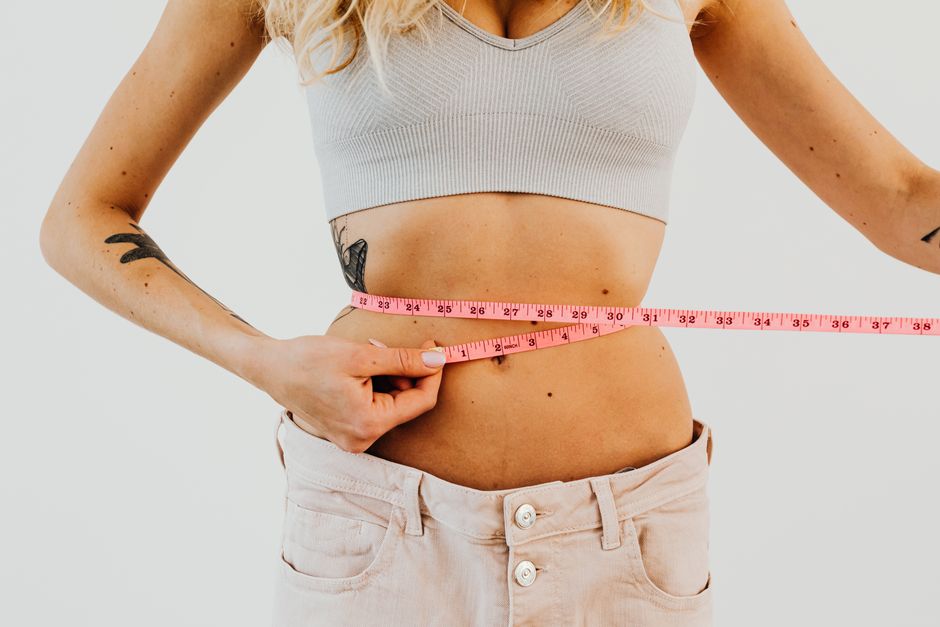
Waist measurements can change before the scale moves, and vice versa. Measure your waist at the same spot — typically at the level of your belly button or the narrowest part of your torso — at the same time of day, and do not pull the tape tight. A change of even half an inch is meaningful.
Some people notice a difference in a few weeks. For others, it takes several months. There is no universal timeline. What matters is the direction of change over time, not day-to-day fluctuations.
What If Your Waist Will Not Shrink?
Genetics play a significant role in where your body stores fat and in your natural waist-to-hip ratio. Some people are built with a straighter torso and will never have a dramatically cinched waist, no matter how lean they get. This is not a failure. It is biology.
If you are doing everything right — eating in a moderate deficit, exercising regularly, sleeping well, managing stress — and your waist is not changing, a few things are worth checking. A medical condition such as hypothyroidism or Cushing’s syndrome can affect fat distribution, though these are uncommon. Certain medications, including some corticosteroids and antidepressants, are associated with weight gain and central fat storage.
If you have concerns, talk to a healthcare provider. They can assess whether there is an underlying issue and help you set realistic expectations. A waistline that is smaller than it was last year is a win, even if it is not the number you had in mind.
Frequently Asked Questions
Can I reduce my waist without losing weight?
In most cases, no. Waist size is primarily determined by fat stores, and reducing fat requires losing overall body fat. Building muscle can change your shape slightly, but it will not shrink your waist if fat remains.
Do waist trainers actually work?
No. Waist trainers compress tissue temporarily and do not reduce fat. Any change you see while wearing one disappears when you take it off.
How many crunches do I need to do for a smaller waist?
No number of crunches will reduce your waist. Crunches strengthen abdominal muscles but do not burn fat from your belly. Fat loss happens through a calorie deficit, not through exercising a specific area.
What is a healthy waist size?
A common guideline is to keep your waist circumference under half your height. For example, someone who is 5 feet 6 inches tall would aim for a waist under 33 inches. This is a screening tool, and individual risk varies based on other factors.
