
There is no single product, gadget, or appointment that gives you perfect teeth. What works is a small set of daily habits done consistently, plus regular professional care and treatment when problems appear.
That combination — brushing and cleaning between teeth correctly, limiting sugar frequency, using fluoride, and seeing a dentist for checkups and repair — is what actually protects teeth over decades. “Perfect” is not a realistic goal for most mouths, but healthy, functional, long-lasting teeth usually are.
What Does “Perfect Teeth” Actually Mean?
Healthy teeth are not the same as straight, white teeth. A mouth can have slightly crooked teeth and be in excellent health. It can also have perfectly aligned, bright white teeth with active gum disease underneath.
From a clinical standpoint, healthy teeth and gums generally means:
- No active tooth decay
- Gums that do not bleed when brushed or flossed
- No persistent bad breath or loose teeth
- Teeth that are not sensitive to normal hot or cold
- No pain when chewing
Appearance and health overlap, but they are not the same thing. Whitening strips and veneers change how teeth look. They do not prevent cavities or gum disease. If you want teeth that last, health comes first and appearance is a separate conversation with your dentist.
How To Have Perfect Teeth Daily Habits And Treatments
The daily routine is where most of the work happens. Treatment by a dentist repairs damage that has already occurred. Habits prevent that damage in the first place.
Brush twice a day with fluoride toothpaste. Two minutes, morning and before bed. Most people brush for well under a minute and miss the same spots every time. A soft-bristled brush and short, gentle strokes along the gumline work better than hard scrubbing, which can wear down enamel and irritate gums over time.
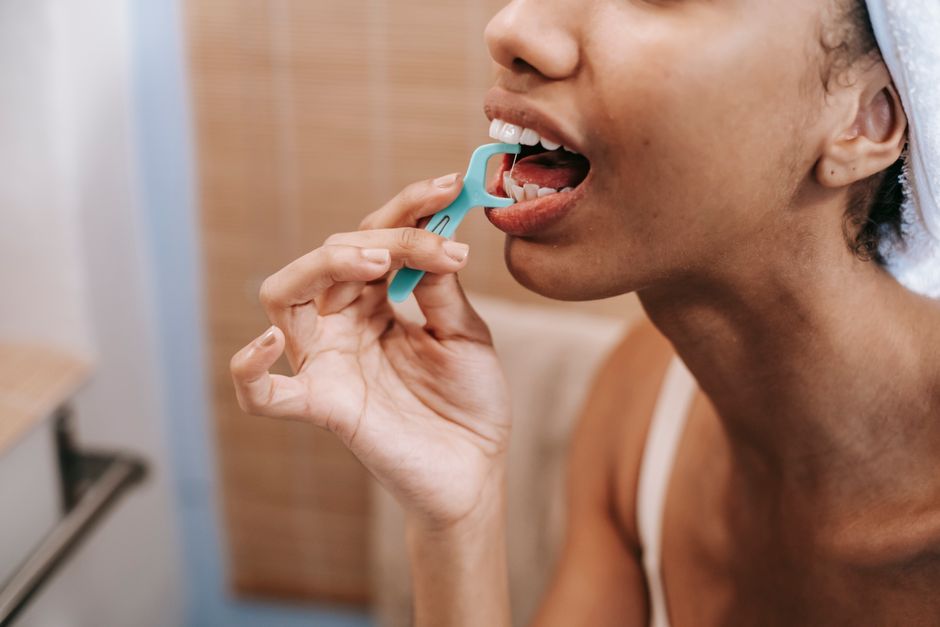
Clean between your teeth once a day. A toothbrush cannot reach the tight spaces between teeth, and that is where a large share of cavities and gum problems start. Floss, interdental brushes, or a water flosser all have a place. Flossing done correctly removes plaque from the sides of teeth; water flossers are easier for many people and helpful around braces or bridges, though the evidence on how well they compare to string floss for plaque removal is mixed.
Use fluoride. Fluoride toothpaste is one of the most well-supported public health measures in dentistry. It helps rebuild early mineral loss in enamel and makes teeth more resistant to acid attacks from bacteria. This is not a marketing claim — it is the reason cavity rates dropped sharply in communities that added fluoride to drinking water.
Limit how often you eat sugar, not just how much. Frequency matters more than total amount for cavity risk. Sipping a sweet drink over an hour keeps teeth bathed in acid the whole time. Eating a dessert quickly and then stopping is gentler than grazing on sweets all afternoon.
Drink water, especially after meals. Water rinses away food particles and helps restore a neutral pH in the mouth. Plain water is the best default drink for teeth. Sugary and acidic drinks — soda, sweet tea, sports drinks, even some flavored sparkling waters — are the main dietary drivers of enamel erosion and decay.
Do not use tobacco. Smoking and smokeless tobacco are strongly linked to gum disease, tooth loss, and oral cancer. This is one of the clearest cause-and-effect relationships in dentistry.
See a dentist regularly. Most people benefit from a checkup and professional cleaning roughly every six months, though some need more frequent visits and some with very healthy mouths may need fewer. Your dentist can advise what interval fits your situation.
Why Do Teeth Decay If You Brush Every Day?
Brushing is necessary but not sufficient. Cavities form when acid-producing bacteria in plaque feed on sugars and starches and produce acid that dissolves minerals in enamel. Three things let that happen even in people who brush daily.
The first is missed surfaces. The bristles of a toothbrush rarely reach between teeth or the far back molars. Plaque left undisturbed hardens into tartar within a day or two, and tartar cannot be brushed off — only a dental professional can remove it.
The second is timing and technique. Brushing right after an acidic meal or drink can actually push acid into enamel that is temporarily softened. Waiting about 30 minutes after acidic food or drink, or rinsing with water first, is generally recommended. Many dentists suggest brushing before breakfast rather than after, or waiting if you have had something acidic.
The third is dry mouth. Saliva neutralizes acid and washes away food. Medications, certain medical conditions, aging, and mouth breathing can all reduce saliva flow. If your mouth feels persistently dry, that is worth mentioning to a dentist or doctor, because it raises cavity risk.





Which Treatments Do Dentists Actually Use?
Treatment is about repairing or preventing damage that habits alone cannot fix. What a dentist recommends depends on what is found.
- Professional cleaning (prophylaxis): removes plaque and tartar above the gumline. This is preventive, not cosmetic.
- Fluoride varnish or gel: applied in-office for people at higher cavity risk. Evidence supports this for cavity prevention in both children and adults.
- Dental sealants: thin coatings on the chewing surfaces of back teeth. Best supported for children and teens when molars first come in, though adults with deep grooves may also benefit.
- Fillings: repair cavities that have already formed. Modern composite fillings match tooth color; amalgam fillings are also durable. Both are established options.
- Root canal treatment: removes infected pulp inside a tooth when decay or trauma reaches it. This saves the tooth rather than extracting it.
- Scaling and root planing: deep cleaning below the gumline for gum disease. Often the first-line treatment before more advanced periodontal care.
- Orthodontics: straightens teeth. Beyond appearance, correcting a severe bite problem can make cleaning easier and reduce uneven wear, though not every misalignment needs treatment.
Two treatments get more attention than their evidence justifies. Charcoal toothpaste is popular for whitening, but it is abrasive and can wear enamel, and most versions do not contain fluoride. Oil pulling — swishing coconut or other oils in the mouth — has been studied, but the evidence for cavity prevention is weak and it should never replace brushing or fluoride.
Does Whitening Damage Teeth?
Professional and over-the-counter whitening products work by bleaching stains in enamel and the layer beneath it. Used as directed, peroxide-based whiteners are generally considered safe for healthy teeth, though they commonly cause temporary sensitivity and gum irritation.
The bigger risk is using them on teeth that are not healthy. Whitening does not fix cavities, and it can worsen sensitivity in teeth with worn enamel, exposed roots, or untreated decay. If you have gum recession or a lot of fillings and crowns, whitening can also create uneven color because those materials do not bleach.
Talk to a dentist before whitening if you have untreated cavities, gum disease, or sensitive teeth. Charcoal and abrasive whitening toothpastes are a different category — they scrub surface stains rather than bleach, and regular use can gradually wear enamel.
What About Diet and Everyday Choices?
Diet shapes cavity risk more than most people realize, and it works through frequency and acidity, not just sugar content.
Foods and drinks that tend to raise risk include sugary sodas and juices, sweet coffee drinks, sticky sweets like dried fruit and candy that cling to teeth, and highly acidic items like citrus and vinegar-based dressings when consumed often. The pattern matters: constant sipping or snacking keeps acid levels high.
Foods that help include plain water, dairy like milk and cheese (which can help buffer acid), fiber-rich vegetables and fruits that stimulate saliva, and unsweetened tea and coffee. Chewing sugar-free gum after meals can help stimulate saliva, and gum sweetened with xylitol has some evidence for reducing cavity risk when used regularly.
Timing tips that make a real difference:
- Drink water with and after meals to rinse teeth.
- Group sweets with meals rather than snacking on them all day.
- Use a straw for acidic drinks to limit contact with teeth.
- Wait about 30 minutes to brush after acidic food or drink.
When Should You See a Dentist?
Do not wait for pain. Many dental problems — early cavities, gum disease, and even some oral cancers — cause no symptoms until they are advanced. That is the whole reason routine checkups exist.
See a dentist sooner rather than later if you notice:
- Gums that bleed when you brush or floss
- Persistent bad breath that does not improve
- Loose teeth or gums pulling away from teeth
- Tooth sensitivity that lasts or worsens
- Pain when biting or chewing
- Sores, lumps, or patches in the mouth that do not heal within two weeks
Any sore or patch in the mouth that does not heal within a couple of weeks should be examined. That is a standard guideline, not a scare tactic, and it applies whether or not it hurts.
Frequently Asked Questions
How often should I brush and floss my teeth?
Brush twice a day for two minutes with fluoride toothpaste, and clean between your teeth once a day. Consistency matters more than the exact time of day.
Can I have healthy teeth without going to the dentist?
Good daily habits prevent most problems, but they cannot remove tartar or detect early decay and gum disease that cause no symptoms. Regular checkups catch issues before they become painful or expensive.
Is charcoal toothpaste safe for whitening teeth?
Charcoal toothpaste is abrasive and can gradually wear down enamel, and many versions do not contain fluoride. It is not a recommended way to whiten teeth.
Does oil pulling really improve dental health?
Some studies suggest oil pulling may reduce certain bacteria in the mouth, but the evidence for preventing cavities is weak. It should never replace brushing, flossing, or fluoride.
