
Your lungs have no way to clean themselves of cigarette smoke, and no supplement has ever been shown to reverse the damage it causes. The single most effective thing you can do for your lungs is not start smoking, or stop if you do. Beyond that, regular aerobic activity, avoiding airborne irritants, and staying current on vaccines that prevent respiratory infections are the interventions with the clearest evidence behind them.
That’s the short answer. The longer one is more useful, because it explains why some popular lung “detox” products don’t work, what actually happens inside your airways every day, and which habits genuinely protect lung function as you age.
How do the lungs actually protect themselves?
Your airways are lined with a layer of mucus and tiny hair-like structures called cilia. The cilia beat in a coordinated wave, moving mucus and trapped particles upward toward your throat, where you swallow or cough them out. This system is called the mucociliary escalator.
It runs constantly. Every breath brings in dust, pollen, bacteria, and other particles, and most of them get caught and moved out before they reach the deep lung. This is why healthy lungs stay remarkably clean without any help from you.
What matters here is what disrupts the system. Cigarette smoke paralyzes the cilia. That’s not a gradual effect over years — it happens within minutes of smoking. Once the cilia stop beating, mucus and particles stay in the airways, which is why smokers cough. The cough is the body trying to do the cilia’s job.
This is also why “lung detox” products have no mechanism to work through. The cleaning system already exists. The problem is damage to it, and no supplement restores paralyzed cilia. The only reliable way to let the system recover is to stop exposing it to smoke. Cilia do regenerate after smoking cessation, though the timeline varies by person and by how long someone smoked.
Why is aerobic exercise one of the best things for lung health?
Your lungs don’t have much muscle tissue of their own. The work of breathing is done by the diaphragm and the muscles between your ribs. Like any muscle, they respond to training.
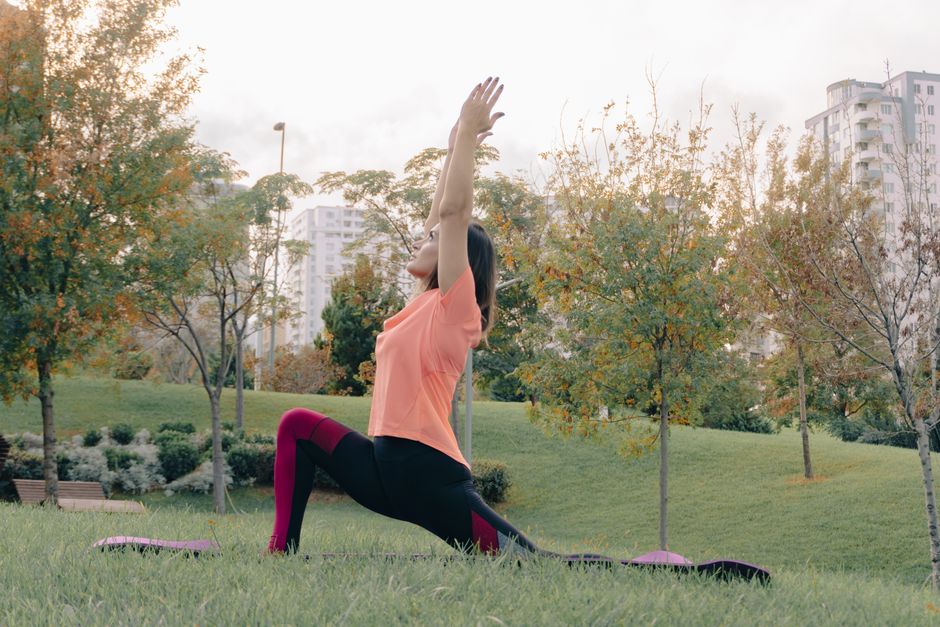
Regular aerobic exercise — walking briskly, swimming, cycling, jogging — makes the breathing muscles stronger and more efficient. It also improves how well your heart and circulation deliver oxygen, which means your lungs don’t have to work as hard to meet demand. People who exercise regularly tend to maintain lung function better as they age.
One clarification worth making: exercise does not increase your lung volume. Your lungs reach full size in early adulthood and decline slowly from there. What exercise improves is the efficiency of the whole system — muscles, heart, and circulation — not the size of the lungs themselves. That distinction matters because it sets realistic expectations.
For people with existing lung conditions like asthma or COPD, exercise is still beneficial, but the approach matters. Some people need to use a prescribed reliever inhaler before activity, and some benefit from pulmonary rehabilitation programs. That’s a conversation for a clinician, not a general guideline.
What actually damages lungs over time?
Tobacco smoke is the largest preventable cause. It’s linked to chronic obstructive pulmonary disease (COPD), lung cancer, and accelerated decline in lung function. There is no threshold below which smoking is known to be safe.
Secondhand smoke exposure matters too. The evidence linking it to respiratory problems in nonsmokers, especially children, is well established.
Other significant exposures include:
- Radon — a naturally occurring radioactive gas that can build up in homes. It’s the second leading cause of lung cancer in the United States after smoking. Home test kits are inexpensive and widely available.
- Occupational dust and fumes — silica, asbestos, coal dust, and chemical vapors in certain workplaces. Proper respiratory protection matters.
- Outdoor air pollution — long-term exposure to fine particulate matter is associated with reduced lung function and increased respiratory disease risk.
- Indoor smoke — wood-burning stoves, fireplaces without adequate ventilation, and cooking smoke in poorly ventilated kitchens.
Vaping deserves an honest note. E-cigarettes don’t produce tar the way combustible cigarettes do, and some public health researchers view them as a harm-reduction tool for adults who already smoke. But they are not risk-free, their long-term effects on lung tissue are not yet known, and their use by people who have never smoked — particularly adolescents — is not supported by evidence of benefit.
Does diet or any supplement improve lung function?
No supplement has been shown to improve lung function in healthy people. That’s a straightforward statement supported by the absence of convincing trial evidence, not a lack of research effort.
Diet does have some association with lung health, though the evidence is observational rather than interventional. Diets rich in fruits and vegetables — particularly those high in antioxidants like vitamins C and E — are associated with better lung function in population studies. Whether the diet causes the improvement or simply tracks with other healthy behaviors is not fully settled.
The reasonable takeaway: eating a varied diet with plenty of produce is good for your whole body, and there’s no reason to expect it to harm your lungs. But no food or pill has been shown to repair smoke damage or boost lung capacity.
How do vaccines and infection prevention fit in?
Respiratory infections can cause real damage. Severe pneumonia, repeated bouts of flu, and COVID-19 can all leave lasting effects on lung tissue in some people.
Vaccination against influenza, pneumococcal disease, and COVID-19 reduces the risk of serious respiratory illness. The specific recommendations for each vaccine vary by age, health status, and current public health guidance, so the details are best confirmed with a clinician or public health authority rather than assumed.
Basic infection prevention still applies: handwashing, avoiding close contact with people who are actively sick, and staying home when you are ill.
What habits support lung health day to day?
Several practical habits have clear reasoning behind them, even where large trials are limited.
Don’t smoke, and avoid smoke-filled spaces. This is the dominant factor by a wide margin.
Test your home for radon. It’s odorless and invisible, and testing is the only way to know. If levels are high, mitigation is a well-established fix.
Keep indoor air reasonably clean. Ventilate when cooking, avoid burning candles or incense in enclosed spaces, and use exhaust fans. During wildfire smoke events or high pollution days, staying indoors with windows closed and using a HEPA filter can reduce exposure.
Stay physically active. Aim for regular moderate activity most days. The exact amount matters less than consistency.
Pay attention to persistent symptoms. A cough that lasts more than a few weeks, shortness of breath with mild exertion, or coughing up blood are reasons to see a clinician. Early evaluation doesn’t guarantee a serious problem, but it’s how serious problems get caught early.
One more thing worth knowing: deep breathing exercises are often marketed as lung “training,” but there’s no strong evidence they increase lung capacity in healthy people. They can help with relaxation and may help some people with specific conditions clear secretions, but they aren’t a substitute for aerobic exercise or smoking cessation.
Frequently Asked Questions
Can you strengthen your lungs?
You can strengthen the muscles used for breathing through regular aerobic exercise, which improves breathing efficiency. You cannot increase your lung size or capacity through exercise, since lungs reach full size in early adulthood.
Do lung detox products work?
No clinical evidence supports lung detox supplements, teas, or cleanses. The lungs already have a built-in cleaning system, and no product has been shown to restore cilia damaged by smoke.
How long does it take for lungs to recover after quitting smoking?
Some improvements begin within weeks of quitting, and cilia start to recover, though the timeline varies by person and by how long someone smoked. Full recovery of lung function is not guaranteed, which is why stopping as early as possible matters.
Does exercise increase lung capacity?
No, exercise does not increase lung volume or capacity. It strengthens breathing muscles and improves how efficiently your heart and circulation deliver oxygen.
