
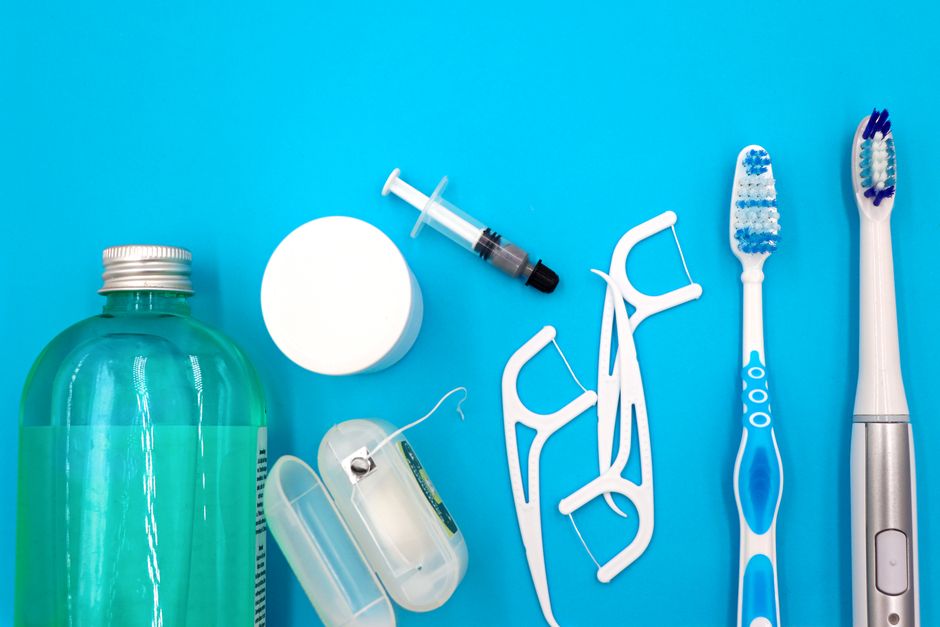
Gum disease is one of the most common health problems in adults, and it is also one of the most preventable. The daily habits that keep gums healthy are not complicated: brush thoroughly twice a day, clean between your teeth once a day, and get professional dental care on a regular schedule. These three habits address the main cause of gum problems — plaque that sits on teeth and along the gumline long enough to trigger inflammation.
What Actually Causes Gum Disease?
Gum disease starts with bacteria. Your mouth always contains hundreds of types of bacteria, and many of them form a sticky film called plaque on teeth and gums. Brushing and flossing remove most of it. What you do not remove hardens within a few days into a rougher deposit called tartar, which brushing cannot take off.
Plaque and tartar near the gumline set off an immune response. The gums become inflamed — red, swollen, and prone to bleeding when you brush. This early stage is called gingivitis. It is reversible. Once plaque is removed and the gums are kept clean, the inflammation settles.
If gingivitis goes untreated, it can progress to periodontitis. In periodontitis, inflammation spreads below the gumline and the tissues and bone that hold teeth in place begin to break down. This damage is not reversible with brushing alone. It requires treatment from a dental professional, and in some cases it leads to tooth loss.
Several factors raise the risk of gum disease. Smoking is one of the strongest. Diabetes, especially when blood sugar is poorly controlled, increases risk. Genetics, certain medications that reduce saliva, hormonal changes, and dry mouth all play a role. So does simply not removing plaque often enough.
How Should You Brush to Protect Your Gums?
Technique matters more than force. Many people brush hard, thinking it cleans better. It does not. Aggressive brushing wears down enamel and can push the gums to recede over time.
Use a soft-bristled toothbrush. Hold it at about a 45-degree angle toward the gumline so the bristles reach the area where the tooth meets the gum. Move the brush in short, gentle strokes. Cover the outer surfaces, the inner surfaces, and the chewing surfaces of every tooth. Do not forget the back side of your last molars.
Brush for two minutes, twice a day. Two minutes is the standard most dental organizations recommend — long enough to reach every surface without rushing. An electric toothbrush can help if you tend to brush too hard or too briefly, but a manual brush used well also works.
Replace your toothbrush every three to four months, or sooner if the bristles look frayed. Worn bristles clean poorly.
One clarification worth knowing: bleeding gums are not a sign that you should brush less. In most cases, bleeding during brushing means the gums are inflamed from plaque buildup. Gentle, thorough cleaning usually reduces the bleeding over time. If bleeding continues despite consistent good brushing, that is a reason to see a dentist, not to back off.
Why Does Cleaning Between Teeth Matter So Much?
A toothbrush cannot reach the tight spaces between teeth or the area just below the gumline there. Those spaces are where gum disease often begins. Cleaning between teeth once a day removes the plaque a brush leaves behind.
You have options, and the best one is the one you will actually use every day:
- Dental floss works well for teeth that sit close together.
- Interdental brushes — small brushes that fit between teeth — can clean wider gaps effectively. Some research suggests they remove plaque between teeth at least as well as floss for people who use them correctly.
- Water flossers can help people with braces, bridges, or limited dexterity, though the evidence on how well they reduce gum inflammation compared with floss is mixed.
- Wooden or plastic toothpicks designed for interdental cleaning are an option for some people.
Timing is flexible. Some people clean between teeth before brushing, others after. What matters is doing it daily. Plaque starts to harden within roughly a day, so skipping days gives it time to turn into tartar that only a professional can remove.
Does Mouthwash Help or Just Freshen Breath?
Mouthwash is a supplement, not a substitute. It does not replace brushing or cleaning between teeth, and it cannot remove plaque the way mechanical cleaning does.
Some antiseptic mouthwashes contain ingredients that reduce plaque and gingivitis, and the evidence supports their use as an add-on to brushing and flossing. Others mainly freshen breath or deliver fluoride. If you want a rinse that targets gum health, look at the label for ingredients shown to reduce plaque and gingivitis, and follow the directions on the bottle.
One caution: alcohol-based mouthwashes can dry out the mouth for some people, and saliva helps protect teeth and gums. If you have dry mouth, a rinse without alcohol may suit you better. Ask your dentist if you are unsure.
How Often Do You Need Professional Dental Care?
Regular professional cleanings remove tartar that home care cannot. Most dental professionals recommend a checkup and cleaning at intervals based on your individual risk. For many adults with healthy gums, that means roughly every six months. People with a history of gum disease, smokers, and those with diabetes may need more frequent visits.
A cleaning does more than polish teeth. Your dentist or hygienist measures the space between your gums and teeth — called pocket depth — and checks for bleeding and signs of bone loss. These measurements track whether your gums are stable or getting worse. Catching periodontitis early makes it far easier to manage.
If you notice gums that bleed often, look red or puffy, pull away from the teeth, or if you have persistent bad breath or loose teeth, see a dentist rather than waiting for your next scheduled visit. These can be signs that gingivitis has moved toward periodontitis.
What Else Affects Gum Health Day to Day?
Several daily choices influence your gums beyond brushing and flossing.
Not smoking is one of the most effective things you can do. Smoking weakens the gums’ ability to fight infection and heal, and it masks some signs of gum disease, so problems can go unnoticed longer.
Managing blood sugar matters if you have diabetes. There is a two-way relationship: high blood sugar raises the risk of gum disease, and gum inflammation can make blood sugar harder to control. Good control on both sides helps.
Drinking water and keeping your mouth moist supports saliva, which helps wash away food and neutralizes some acids. If you take medications that cause dry mouth, tell your dentist — there may be ways to manage it.
A diet high in sugar feeds the bacteria that form plaque. This does not mean sugar causes gum disease on its own, but frequent sugary snacks give plaque more to work with. Limiting how often you eat sugar, rather than only how much, tends to matter for oral health.
None of these habits works in isolation. The daily routine — careful brushing, cleaning between teeth, and regular professional care — is what keeps gums healthy over the long term.
Frequently Asked Questions
Can gum disease be reversed?
Gingivitis, the early stage, can be reversed with good daily cleaning and professional care. Periodontitis, the more advanced stage, cannot be fully reversed but can usually be managed and slowed with treatment.
How long does it take for gums to stop bleeding?
With consistent gentle brushing and daily cleaning between teeth, bleeding from gingivitis often improves within a couple of weeks. If bleeding continues or worsens, see a dentist.
Is flossing or an interdental brush better for gums?
Both remove plaque between teeth, and some research suggests interdental brushes may clean wider gaps at least as well as floss. The best choice is the one you will use every day.
Does mouthwash replace brushing and flossing?
No. Mouthwash can reduce plaque and gingivitis as an add-on, but it cannot remove plaque the way brushing and cleaning between teeth do.
