
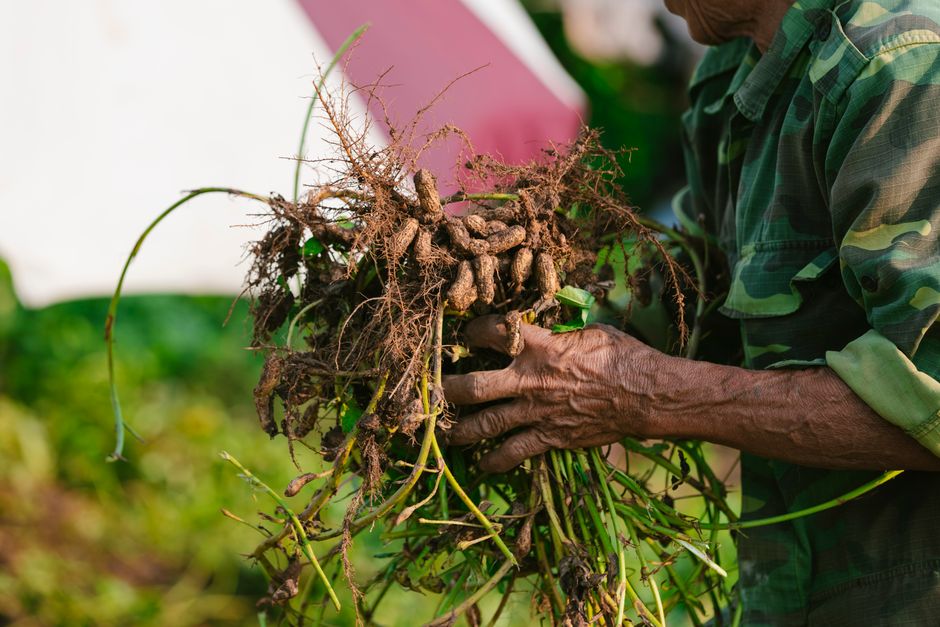
Harvesting ashwagandha root at the right time and drying it properly makes the difference between a potent herbal remedy and a wasted crop. The process is straightforward: dig up the roots after the plant has flowered and the berries have formed, typically 150 to 180 days after planting. Wash them thoroughly, cut them into smaller pieces, and dry them in a warm, well-ventilated area away from direct sunlight until they snap cleanly when bent. Store the dried roots in an airtight container in a cool, dark place, and they will remain effective for up to a year.
When Is the Best Time to Harvest Ashwagandha Roots?
Timing is the most critical part of harvesting ashwagandha. The plant contains the highest concentration of withanolides — the active compounds responsible for its adaptogenic effects — after the berries have ripened and the leaves begin to yellow and die back. This usually happens in late fall, about 150 to 180 days after planting.
Do not harvest too early. If you pull the roots while the plant is still actively growing and green, the withanolide levels are lower. Research published in the Journal of AOAC International found that root withanolide content peaks when the plant has completed its reproductive cycle. Wait until the berries are red-orange and the leaves are fading.
If you live in a region with frost, harvest before the first hard freeze. Ashwagandha is a perennial in warm climates but is grown as an annual in most of the United States. A light frost will kill the top growth, but the roots remain viable for a few days afterward. Dig them up as soon as possible after frost hits.
How To Harvest Ashwagandha Root Without Damaging It
Use a garden fork or a spade, not a shovel. A shovel can slice through roots, leaving valuable pieces in the ground. Insert the fork about six inches away from the base of the plant and gently lift the soil. Ashwagandha roots grow as a taproot system, sometimes reaching 12 to 18 inches deep.
Work slowly around the root zone. Loosen the soil on all sides before pulling. If the soil is dry, water the plant deeply the day before harvesting. Moist soil releases roots more easily and reduces breakage.
Once the main root is out, sift through the loosened soil for smaller lateral roots. These contain the same active compounds and are worth saving. Do not wash the roots immediately. Leave the soil on them until you are ready to clean, as the dirt protects the outer skin during transport.
How To Clean Ashwagandha Roots Before Drying
Cleaning is tedious but necessary. Ashwagandha roots have a rough, wrinkled surface that traps soil. Start by shaking off loose dirt. Then soak the roots in a bucket of cool water for 10 to 15 minutes to soften caked-on soil.
Use a soft vegetable brush or your fingers to scrub each root under running water. Pay attention to the crevices and the area around the crown where the stem meets the root. Do not peel the roots. The skin contains a significant portion of the withanolides, and peeling removes some of the medicinal value.
After washing, trim away any small fibrous rootlets that look damaged or rotten. Cut the main root into pieces two to three inches long. If the root is thick, split it lengthwise. Smaller pieces dry faster and more evenly, which reduces the risk of mold.





How To Dry Ashwagandha Roots Properly
Drying ashwagandha roots requires patience and proper airflow. The goal is to remove moisture slowly enough to prevent mold but quickly enough to avoid degradation of the active compounds. Do not use an oven set above 110°F, as high heat can destroy withanolides.
The best method is air drying in a warm, dark, well-ventilated space. Spread the root pieces in a single layer on a drying screen or a clean mesh rack. Leave space between each piece. A dark attic, a cabinet near a heating vent, or a food dehydrator set to 95°F all work well.
Turn the pieces every two to three days to ensure even drying. Depending on humidity and airflow, drying takes one to three weeks. The roots are fully dry when they snap cleanly in half rather than bending. If they bend, they need more time. Storing roots that are not completely dry invites mold and spoilage.
| Drying Method | Temperature | Time to Dry | Notes |
|---|---|---|---|
| Air drying | Room temp (65-75°F) | 2-3 weeks | Best for preserving withanolides; requires low humidity |
| Food dehydrator | 95-105°F | 24-48 hours | Fast and reliable; do not exceed 110°F |
| Oven drying | 170°F minimum | 3-6 hours | Risk of overheating; only use if dehydrator unavailable |
| Sun drying | Variable | 5-10 days | Not recommended; UV degrades withanolides |
Sun drying is the method many traditional sources recommend, but modern research suggests it is not ideal. Ultraviolet light breaks down withanolides over time. If you must sun dry, bring the roots indoors at night and cover them with a thin cloth during the day. Even then, a dehydrator or indoor air drying produces a more consistent product.
How To Store Dried Ashwagandha Roots Long Term
Store dried ashwagandha roots in an airtight container. Glass jars with rubber gaskets, vacuum-sealed bags, or food-grade plastic containers with tight lids all work. Keep the container in a cool, dark place. A pantry or a cupboard away from the stove and sink is ideal.
Moisture is the enemy. If you live in a humid climate, add a silica gel packet or a food-grade desiccant to the container. Check the roots monthly for the first three months. If you see condensation inside the jar or notice a musty smell, the roots were not dry enough. Re-dry them immediately or discard any that show mold.
Whole dried roots retain potency longer than powdered roots. Grind only what you need for immediate use. The exposed surface area of powder accelerates oxidation and loss of active compounds. Whole roots stored properly last 12 to 18 months. Powdered root starts losing potency after about six months.
Do not store ashwagandha in the refrigerator. The humidity inside a fridge fluctuates every time the door opens, and condensation can form inside the container. A cool, stable pantry is better than a cold, damp fridge.
Common Mistakes When Harvesting and Storing Ashwagandha
The most common mistake is harvesting too early. Many home growers pull the roots when the plant looks large and healthy, but the withanolide content has not peaked yet. Wait for the berries to turn red-orange and the leaves to yellow. This is not optional if you want medicinal potency.
Another frequent error is washing the roots too aggressively. Scrubbing with a stiff brush can remove the outer skin, which contains a high concentration of active compounds. Use a soft brush or your fingers. The roots will never look perfectly clean, and that is fine.
Overcrowding during drying is also a problem. If roots touch each other, moisture gets trapped between them, and mold develops. Spread them out. If you have a large harvest, dry in batches rather than piling roots on top of each other.
Finally, do not store dried roots in plastic bags. Plastic bags are not airtight enough to prevent moisture reabsorption over months. Use glass jars or mylar bags with oxygen absorbers. The extra effort pays off when you open a jar six months later and the roots still smell earthy and fresh.
Does How To Harvest Ashwagandha Root Dry And Store It Affect Potency?
Yes, the entire process directly affects the potency of the final product. The withanolides in ashwagandha are sensitive to heat, light, and moisture. Every step from harvest to storage either preserves or degrades these compounds.
Harvesting at the wrong time yields roots with lower withanolide content. Drying at temperatures above 110°F destroys some of these compounds. Research from the Indian Journal of Pharmaceutical Sciences shows that withanolide content decreases significantly when drying temperatures exceed 120°F. Sun drying also reduces potency due to UV exposure.
Storage conditions matter just as much. Roots exposed to light or fluctuating humidity lose potency faster than those kept in dark, stable conditions. A study in Pharmacognosy Magazine found that properly dried and stored ashwagandha roots retained over 90 percent of their withanolide content after 12 months, while poorly stored roots lost nearly half.
The takeaway is straightforward: follow the correct process, and your homegrown ashwagandha will match or exceed the quality of commercial products. Cut corners, and you end up with roots that look fine but have little medicinal value.
Frequently Asked Questions
How long does it take for ashwagandha roots to dry?
Air drying takes two to three weeks depending on humidity and airflow. A food dehydrator at 95°F can dry the roots in 24 to 48 hours.
Can you eat fresh ashwagandha root without drying it?
Fresh root is edible but has a strong bitter taste and contains more moisture, which makes it harder to dose consistently. Drying concentrates the active compounds and extends shelf life.
What is the best container for storing dried ashwagandha roots?
Glass jars with airtight seals are the best option. Vacuum-sealed bags with oxygen absorbers also work well for long-term storage.
How can you tell if dried ashwagandha roots have gone bad?
Mold, a musty smell, or a soft texture instead of a clean snap indicate spoilage. Discard any roots that show these signs.
