
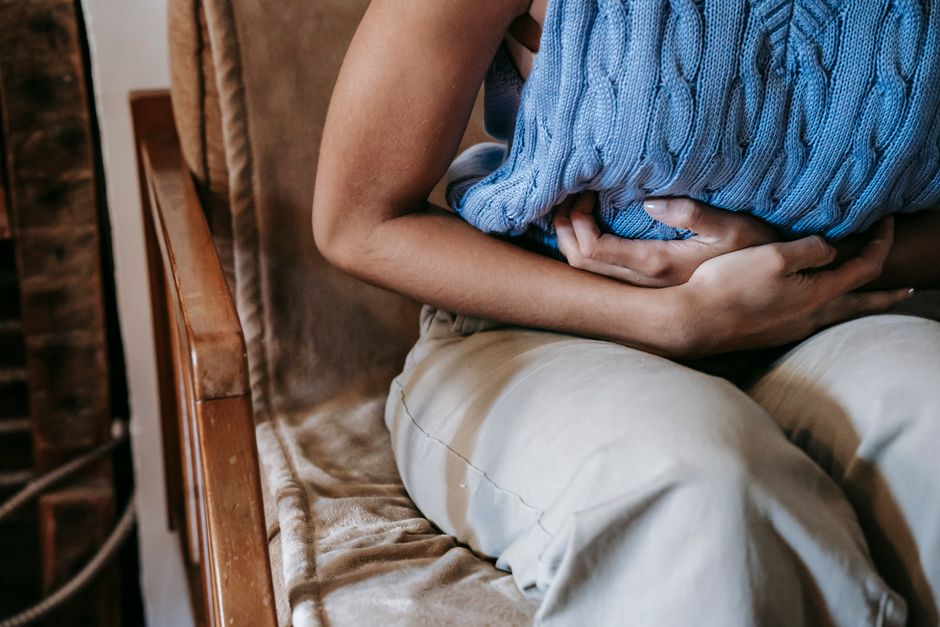
Gua sha on your stomach is a technique where you use a smooth tool to gently scrape or press along your abdomen to help ease bloating and support digestion. The basic method is simple: apply oil to your belly, use a flat tool like a jade or rose quartz stone, and make slow, gentle strokes that follow the natural path of your colon. You start on the lower right side of your abdomen, move up toward the ribs, across the top, and down the left side. While many people report feeling relief from this practice, the scientific evidence for its effect on digestion is limited, and it is not a substitute for medical treatment if you have a digestive condition.
What Is Gua Sha and How Does It Work on the Abdomen?
Gua sha is a traditional Chinese medicine technique that has been used for centuries. The name translates roughly to “scraping” and “petechiae,” which are the small red dots that can appear when the technique is applied firmly to the skin. On the back and shoulders, practitioners often use enough pressure to create these marks. On the stomach, the approach is much gentler.
The theory behind gua sha is that it helps move stagnant energy, or qi, and improves blood flow to the area. Western medicine has not fully confirmed these mechanisms. Some research suggests that the light trauma to the skin and underlying tissue may increase local circulation and stimulate the nervous system in ways that could affect the digestive tract. But the evidence base is small, and most studies have focused on pain conditions, not digestion.
When applied to the abdomen, the goal is not to create bruising. The intent is to stimulate the skin, fascia, and underlying muscles in a way that may help relax tension and encourage normal movement of the intestines. It feels like a firm but comfortable massage, not a painful scrape.
What Are the Benefits of Abdominal Gua Sha for Bloating?
People who practice abdominal gua sha often report that it helps reduce the feeling of fullness and pressure associated with bloating. This may happen for a few reasons. Gentle pressure on the abdomen can stimulate the parasympathetic nervous system, which is the “rest and digest” state. This can help your body shift out of a stress response, which is known to slow digestion and contribute to bloating.
Some practitioners suggest that the technique helps move gas through the intestines more quickly. By following the path of the colon with your strokes, you are essentially encouraging the natural movement of contents along the digestive tract. This is similar in principle to abdominal massage, which has been studied more thoroughly. Research on abdominal massage for constipation and bloating has shown some benefit, though results vary. Gua sha is a related but distinct practice, and no large clinical trials have specifically confirmed that it reduces bloating.
There is also a potential benefit for the skin and fascia. The abdomen can hold tension just like the neck or shoulders do. Chronic tension in the abdominal wall can restrict movement and contribute to discomfort. Gua sha may help release that tension, making the area feel lighter and less tight.
How To Gua Sha Your Stomach For Bloating And Digestion: Step by Step
Before you start, make sure you have a clean tool and some form of lubricant. A few drops of jojoba oil, coconut oil, or even a plain body lotion will work. Never perform gua sha on dry skin, as this can cause irritation or injury.
Follow these steps carefully:
- Lie down on your back. A flat, comfortable surface is best. Bend your knees slightly if that feels better for your lower back.
- Apply a generous layer of oil to your entire abdomen from your ribs down to your hip bones.
- Hold the tool at a low angle against your skin, around 30 to 45 degrees. A lower angle spreads the pressure over a wider area and is gentler.
- Start on the lower right side of your abdomen. This is where the ascending colon begins. Use slow, small strokes moving upward toward your ribs. Repeat this motion 5 to 10 times.
- Move across the top of your abdomen just below the ribs. Stroke from right to left. This follows the path of the transverse colon.
- Move down the left side of your abdomen from the ribs toward the hip bone. This follows the descending colon.
- Finish with light circular strokes around the navel in a clockwise direction. This matches the direction of the colon.
Keep every stroke slow and gentle. You are not trying to press deeply into the organs. The pressure should feel relaxing, never painful. A full session typically lasts 5 to 10 minutes. You can do this once a day or a few times a week, depending on how your body responds.




What Pressure and Tool Should You Use?
The tool matters less than the technique. Traditional gua sha tools are made of jade, rose quartz, buffalo horn, or stainless steel. Any smooth-edged tool with a flat surface will work. A ceramic spoon with rounded edges is a common household alternative. The key is that the edges must be smooth so you do not scratch your skin.
Pressure on the abdomen should be significantly lighter than what would be used on the back or legs. On the back, the goal is often to release deep muscle tension and create petechiae. That is not appropriate for the stomach. Here, you want enough pressure to move the skin and slightly compress the tissue beneath, but not enough to feel like a deep tissue massage. If you feel any sharp pain, you are pressing too hard.
It is also important to be mindful of what you have eaten. Wait at least one hour after a light meal and two to three hours after a large meal before doing abdominal gua sha. Working on a full stomach can be uncomfortable and may interfere with normal digestion.
Risks and When to Avoid Abdominal Gua Sha
Abdominal gua sha is not safe for everyone. There are several situations where you should avoid this practice entirely.
Do not do gua sha on your abdomen if you are pregnant. The pressure can be stimulating and there is no evidence to establish safety for the fetus. No clinical guidelines exist for this population, so the conservative approach is to avoid it completely.
Avoid the technique if you have an active skin condition on your abdomen, such as eczema, psoriasis, or an open wound. Do not gua sha over areas with varicose veins, hernias, or recent surgical scars. If you have a known abdominal hernia, the pressure could make it worse.
If you have a digestive condition like Crohn’s disease, ulcerative colitis, or diverticulitis, talk to your doctor before trying this. Inflammatory bowel conditions can make the intestinal wall more fragile. Deep or even moderate pressure could cause pain or, in rare cases, more serious problems. Some clinicians may recommend gentle massage for constipation, but this is not the same as endorsing gua sha for inflammatory conditions.
Seek medical attention if you experience severe abdominal pain, bloating that does not go away, fever, vomiting, or blood in your stool. These can be signs of a serious condition that requires proper evaluation. Gua sha will not treat an infection, a bowel obstruction, or appendicitis.
Does the Evidence Support Gua Sha for Digestion?
The honest answer is that the evidence is limited. There is a long history of traditional use, and many people find it relaxing and helpful. But when it comes to published clinical research, studies specifically examining gua sha for bloating or digestive complaints are scarce.
Some research on gua sha for other conditions, such as chronic neck pain and musculoskeletal discomfort, has shown positive results. This suggests the technique has real physiological effects, likely related to circulation and pain modulation. Whether those effects translate directly to improved digestion is not yet established.
What we do know is that massage and gentle touch can activate the parasympathetic nervous system. This can reduce stress hormones like cortisol, which in turn allows the digestive system to function more normally. Bloating is often worsened by stress and anxiety. If gua sha helps you relax, it may help your digestion indirectly, even if the direct mechanical effect on the intestines is modest.
Be cautious of marketing claims that describe gua sha as a cure for digestive disorders. No reputable study has confirmed that gua sha cures or treats any medical condition. It is best viewed as a self-care practice that may support comfort and relaxation, not as a medical treatment.
Frequently Asked Questions
Can gua sha on the stomach help with constipation?
Some people find that gentle abdominal gua sha helps stimulate bowel movements, similar to abdominal massage. The evidence is limited, but the technique is safe for most healthy adults when done gently.
How often should I gua sha my stomach for bloating?
Most practitioners suggest doing it a few times per week, not multiple times per day. Listen to your body and reduce frequency if you notice any soreness or irritation.
Is it safe to gua sha my stomach every day?
Daily practice is likely fine for most people if you use light pressure and no discomfort occurs. If you notice bruising or skin sensitivity, take a break for a few days.
Do I need a special stone to gua sha my stomach?
No, a smooth-edged tool like a ceramic spoon or a flat stone works well. The important part is a smooth edge and a good layer of oil on your skin.
