
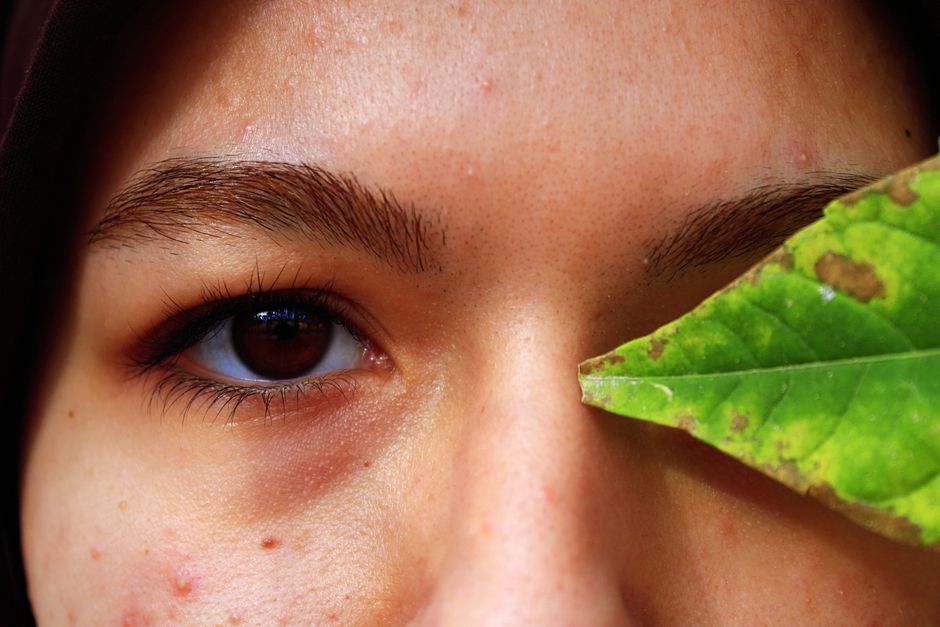
Eyebrow hair growth is controlled by genetics, hormones, and the health of the hair follicles themselves. If you want bushier eyebrows, the most reliable steps are to stop over-plucking or over-waxing, keep the skin and follicles healthy, and give the brow area time — eyebrow hairs grow slowly, so visible change takes weeks to months, not days. Some products and treatments have evidence behind them, and many do not. This article separates the two.
How To Grow Bushy Eyebrows: What Actually Drives Brow Hair Growth
Each eyebrow hair grows from a follicle, a tiny pocket in the skin. Hair growth happens in cycles: a growing phase, a transition phase, and a resting phase, after which the hair sheds and a new one eventually replaces it. Eyebrow hairs have a much shorter growing phase than scalp hair, which is why brows are naturally short and do not grow to the floor.
Three things mainly determine how full your brows look:
- Genetics — how many follicles you have and how thick each hair is
- Hormones — thyroid and sex hormones influence brow density, which is why some medical conditions change the brows
- Follicle health — trauma, scarring, and some skin conditions can permanently damage follicles
This matters because it sets realistic expectations. If your brows are naturally sparse because you have fewer active follicles, no product will create new follicles. What you can realistically do is support the follicles you have, avoid damaging them, and make the most of the hair that grows.
One point people often miss: the hairs you can see are already dead tissue. The living part is the follicle below the skin. Anything applied to the surface of the brow has to reach that follicle to have a real effect — which is why many topical products do very little.
Why Are My Eyebrows Thin or Sparse?
Thinning brows usually have an identifiable cause. Finding it matters more than picking a serum.
Common reasons include:
- Over-plucking or over-waxing — repeated pulling can scar follicles over time, and a scarred follicle does not regrow hair
- Aging — brow hair thins with age in many people, similar to scalp hair
- Thyroid problems — an underactive thyroid can cause brow thinning, often at the outer edges
- Nutritional deficiency — iron deficiency and low thyroid function are both linked to hair changes
- Skin conditions — conditions such as alopecia areata or frontal fibrosing alopecia can cause eyebrow loss
- Medications and treatments — some chemotherapy drugs cause temporary brow loss, and certain other medications can affect hair
If your brows have thinned suddenly, or if you also have fatigue, weight changes, or hair loss elsewhere, that is a reason to see a doctor rather than buy a serum. Sudden brow loss can be a sign of a medical issue that needs diagnosis. A doctor can check thyroid function and iron levels with a blood test.
If your thinning came on gradually and you have a history of aggressive plucking, the likely cause is follicle damage. That is harder to reverse, and no topical product reliably restores a follicle that has been scarred.
Do Eyebrow Growth Serums Work?
The evidence is mixed and depends entirely on the ingredient. This is where marketing and medicine diverge most.
Bimatoprost is the active ingredient in a prescription eyebrow product approved by the FDA for treating inadequate eyebrow hair. It started as a glaucoma eye drop, and increased eyelash and eyebrow growth was noticed as a side effect. Clinical trials supported its use for eyebrow hypotrichosis, the medical term for sparse brows. It is available by prescription only. Side effects can include skin darkening and eye irritation, and it is not recommended during pregnancy. A doctor should decide whether it is appropriate.
Minoxidil, the ingredient in many hair regrowth products, is sometimes applied to the brow area off-label. Evidence for eyebrow use specifically is limited compared with the evidence for scalp use. Some clinicians recommend it, but it is not an established standard for brows, and it can irritate the eye area.
Peptides, biotin, castor oil, and “botanical” serums are widely sold and widely marketed. No large human trials confirm that these grow eyebrow hair. Biotin supplements only help if you are actually deficient, which is uncommon in people eating a normal diet. Castor oil may condition the hair you have and make it look thicker, but there is no strong evidence it grows new hair.
The honest position: one prescription ingredient has real trial support. Most over-the-counter serums do not. If a product promises “clinically proven” results, check what was actually measured — often it is the appearance of existing hair, not new growth.



Can Nutrition and Lifestyle Make a Difference?
Nutrition supports hair growth, but only up to a point. If you are not deficient, adding more of a nutrient will not make brows thicker.
What the body genuinely needs for normal hair growth includes adequate protein, iron, zinc, and vitamins such as biotin and vitamin D. A varied diet generally supplies these. If a doctor finds a deficiency — low iron or low vitamin D, for example — correcting it can help hair recover. Taking high-dose supplements without a deficiency has not been shown to thicken brows and can cause harm in some cases.
Lifestyle factors that support follicle health are the same ones that support general health: not smoking, managing stress, and treating underlying medical conditions. There is no strong evidence that any specific food, drink, or “detox” grows eyebrows.
One practical point: hair growth is slow and it stops when the body is under strain. Severe illness, major stress, or rapid weight loss can push hairs into the resting phase, causing a shed a few months later. Brows can be affected along with scalp hair. This type of shedding usually recovers on its own once the trigger resolves, though the timeline varies.
Does Plucking, Waxing, or Threading Cause Permanent Damage?
Occasional shaping does not usually cause lasting harm. Repeated, aggressive removal over years can.
Each time a hair is pulled out, there is a small risk of trauma to the follicle. Over time, this can lead to scarring and reduced regrowth. This is the main reason brows that were over-plucked in the 1990s and 2000s often do not grow back fully. The follicles may be permanently damaged.
If you want bushier brows, the single most effective step is to stop removing hair from the areas you want to fill in. Let them grow for several weeks and see what actually returns. Some hairs will come back. Some will not, and that tells you whether the issue is regrowth or permanent follicle loss.
When shaping, be conservative. Removing only stray hairs outside your natural brow line preserves the follicles you have. Avoid tweezing the same spot repeatedly.
What About Home Remedies and Quick Fixes?
Most viral brow remedies do not have evidence behind them. It is worth being direct about a few.
Castor oil is the most popular home remedy. It is a thick oil that coats the hair and can make brows look temporarily darker and fuller. There is no strong evidence it stimulates new growth. It is generally low-risk on the skin, but keep it away from the eyes.
Vaseline, olive oil, and coconut oil condition hair and skin. They do not grow hair.
Onion juice, garlic, and other irritants are sometimes suggested to “stimulate” follicles. Irritating the skin is not the same as growing hair, and these can cause contact dermatitis in the eye area. This is not a safe approach near the eyes.
Microblading and brow tinting do not grow hair, but they can make brows look fuller. Microblading is a form of tattooing and carries risks including infection and scarring, and results fade over time. It is a cosmetic fix, not a growth treatment.
If a remedy promises overnight results, that is not how hair growth works. Any real change takes weeks to months.
When Should You See a Doctor About Thinning Eyebrows?
See a doctor if your brows have thinned quickly, if you have other symptoms such as fatigue or unusual hair loss, or if you have patches of missing hair on the brows or scalp. These can point to a thyroid problem, a nutritional deficiency, or an autoimmune condition, all of which have specific treatments.
A dermatologist can assess whether follicles are still active or whether scarring has occurred. That assessment determines whether any treatment is likely to help. If the follicles are gone, no topical product will bring them back, and the honest options are cosmetic — such as microblading or makeup — rather than medical.
Frequently Asked Questions
How long does it take for eyebrows to grow back?
Eyebrow hairs grow slowly, and visible regrowth typically takes several weeks to a few months. Full recovery depends on whether the follicles are healthy, since scarred follicles may not regrow hair at all.
Does castor oil really grow eyebrows?
No strong evidence shows that castor oil grows new eyebrow hair. It can coat existing hairs and make them look temporarily fuller, but that is a cosmetic effect, not growth.
Can over-plucking permanently stop eyebrow hair from growing?
Yes, repeated aggressive plucking can scar follicles over time, and a scarred follicle does not regrow hair. This is why brows over-plucked for years often do not fully return.
What is the only proven treatment for sparse eyebrows?
A prescription product containing bimatoprost is the only FDA-approved treatment for inadequate eyebrow hair, supported by clinical trials. Most over-the-counter serums have not been shown to grow eyebrow hair in large human trials.
