
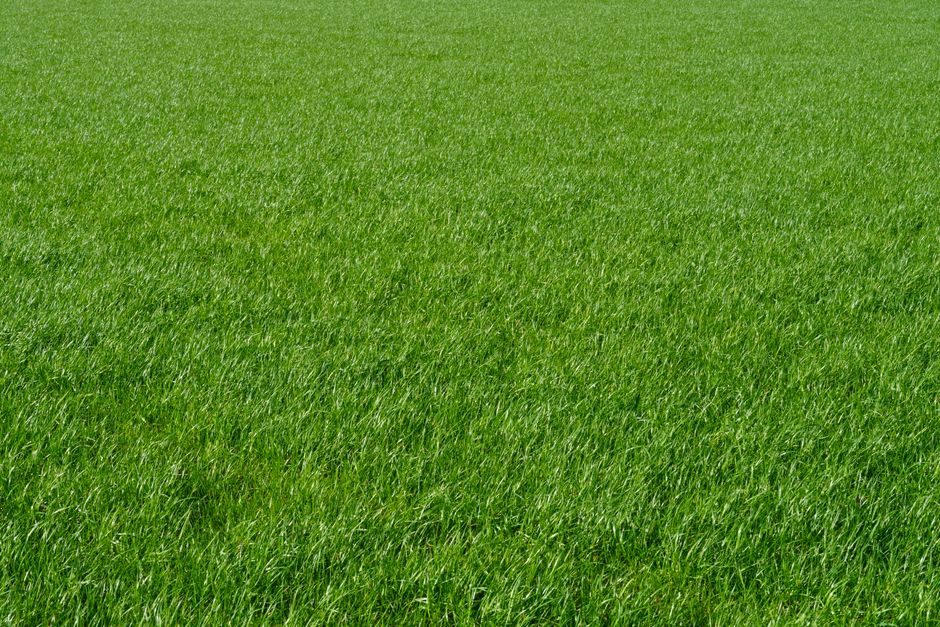
Growing a Zoysia Japonica lawn is different from planting traditional cool-season grasses like fescue or Kentucky bluegrass. Zoysia Japonica is a warm-season grass that thrives in heat and spreads by runners rather than seed in many cases. To grow it successfully, you need full sun, well-draining soil, and patience during the first season while it establishes. Maintenance focuses on proper mowing height, deep but infrequent watering, and seasonal fertilization timed to its active growth period from late spring through early fall.
What Makes Zoysia Japonica Different From Other Lawn Grasses?
Zoysia Japonica is one of the few warm-season grasses that can survive in cooler transition zone climates. The USDA reports that it grows well in zones 5 through 11, which covers most of the United States except the far northern states. Unlike fescue, which stays green in winter, Zoysia Japonica goes dormant and turns brown after the first hard frost. It greens up again in late spring once soil temperatures reach about 65 degrees Fahrenheit.
This grass spreads through stolons and rhizomes rather than relying primarily on seed. That means it fills in bare spots on its own over time, but it also means it can invade flower beds if not edged properly. Some people report that Zoysia Japonica feels denser and softer underfoot than Bermuda grass, though strong evidence comparing texture preferences is limited. The main tradeoff is that Zoysia Japonica is slower to establish than Bermuda grass, often taking two full growing seasons to create a thick lawn.
How Do You Prepare Soil For Zoysia Japonica?
Soil preparation matters more for Zoysia Japonica than for many other grasses because it establishes slowly. The first step is testing your soil pH. Research from North Carolina State University Extension shows that Zoysia Japonica grows best in soil with a pH between 6.0 and 6.5. If your soil is too acidic, add lime according to the test results. If it is too alkaline, sulfur can bring it down.
You also need to remove existing vegetation completely. Zoysia Japonica does not compete well with weeds during establishment. The most reliable method is to spray the area with a non-selective herbicide two weeks before planting. After the vegetation dies, till the soil to a depth of 4 to 6 inches. Remove rocks and debris. Rake the area smooth before planting. Do not skip the soil test. Many lawn problems with Zoysia Japonica trace back to poor pH or low organic matter in the soil.
What Is The Best Way To Plant Zoysia Japonica?
You have three options for planting Zoysia Japonica: sod, plugs, or seed. Each has different costs and timeframes. Sod gives you an instant lawn but costs significantly more. Plugs are cheaper than sod but require 6 to 12 months to fill in completely. Seed is the least expensive option but takes the longest and has the lowest success rate if not done correctly.
| Planting Method | Cost per 1,000 sq ft | Time to Full Coverage | Best For |
|---|---|---|---|
| Sod | $150-$300 | Immediate | Small areas, instant results |
| Plugs | $40-$80 | 6-12 months | Medium lawns, budget-conscious |
| Seed | $10-$30 | 12-18 months | Large areas, patient gardeners |
If you choose seed, the best time to plant is late spring when soil temperatures reach 70 degrees Fahrenheit. Keep the soil consistently moist for the first three weeks. Seed that dries out even once may fail to germinate. If you use plugs, space them 6 to 12 inches apart. Water them daily for the first two weeks. Sod requires daily watering for the first week, then every other day for the next two weeks.





How Often Should You Water Zoysia Japonica?
Zoysia Japonica is drought-tolerant once established, but it needs consistent moisture during the first growing season. After that, the rule is simple: water deeply and infrequently. Research from Texas A&M AgriLife Extension recommends watering to a depth of 6 inches once per week during summer. That usually takes about 1 inch of water per week, including rainfall.
Overwatering is a common mistake. Zoysia Japonica does not like wet feet. If the soil stays soggy, the grass becomes vulnerable to large patch disease, a fungal problem that causes dead circles in the lawn. Water early in the morning so the grass dries during the day. Evening watering encourages disease. During drought, Zoysia Japonica will go dormant and turn brown. It will green up again when rain returns. Do not water just to keep it green during a drought — that wastes water and stresses the grass.
What Is The Correct Mowing Height For Zoysia Japonica?
Mowing height is one of the most important factors for a healthy Zoysia Japonica lawn. The ideal height is 1 to 2 inches. This is lower than fescue, which is typically mowed at 3 to 4 inches. Mowing too high creates a thatch problem because the grass produces excess stems. Mowing too low scalps the lawn and exposes soil to weeds.
Mow frequently enough that you never remove more than one-third of the leaf blade at a time. During peak growing season in June and July, that may mean mowing every 4 to 5 days. A reel mower gives the cleanest cut for Zoysia Japonica, though a rotary mower works if the blades are sharp. Dull blades shred the grass tips, giving the lawn a brownish appearance. Keep the blade sharp and mow when the grass is dry.
Do not bag the clippings unless the lawn is overgrown. Grass clippings return nitrogen to the soil and decompose quickly on Zoysia Japonica because the blades are fine. If you see clumps of clippings after mowing, rake them up so they do not smother the grass underneath.
How Do You Fertilize Zoysia Japonica Properly?
Zoysia Japonica has lower fertilizer needs than Bermuda grass but higher needs than fescue. The key is timing. Fertilize only during the active growing season, which runs from late May through early August. Do not fertilize in early spring. Early spring fertilization encourages weed growth and can damage Zoysia Japonica roots if the grass is still coming out of dormancy.
Apply 1 pound of nitrogen per 1,000 square feet in late May. Apply another 1 pound in early July. If you want a third application, do it in early August. Do not fertilize after August 15 in most climates. Late-season fertilization interferes with the grass’s natural transition into dormancy and increases the risk of winter kill.
Some studies suggest that slow-release nitrogen sources work better for Zoysia Japonica than quick-release synthetic fertilizers. Slow-release formulations provide steady nutrition over several weeks and reduce the risk of burning the grass. Always water the lawn after fertilizing to move the nutrients into the soil.
How Do You Control Weeds In Zoysia Japonica?
Weed control in Zoysia Japonica starts with a thick lawn. A dense Zoysia Japonica lawn naturally shades out most weeds. But during establishment, weeds will try to take over. The best strategy is pre-emergent herbicides applied in early spring and early fall. Pre-emergents prevent weed seeds from germinating. Apply them when soil temperatures reach 55 degrees Fahrenheit in spring and again when they drop to 70 degrees in fall.
Post-emergent herbicides require caution. Zoysia Japonica is sensitive to some common weed killers. Never apply products containing 2,4-D during the first growing season. Even established Zoysia Japonica can be damaged by certain herbicides during hot weather. Read the label carefully. Look for products specifically labeled for use on Zoysia grass. Spot-treat weeds rather than spraying the entire lawn. Hand-pulling is the safest option for small weed problems.
How Do You Manage Thatch In Zoysia Japonica?
Thatch is a layer of dead stems and roots that builds up between the soil and the green grass. Zoysia Japonica naturally produces more thatch than fescue or Bermuda grass. A thatch layer thicker than half an inch blocks water and nutrients from reaching the soil. It also creates a hiding place for insects and disease.
Prevent thatch by mowing at the correct height and avoiding over-fertilization. If thatch has already built up, dethatching in late spring is the solution. Use a power rake or a dethatching machine set to a depth that reaches the soil surface. Do not dethatch in fall. Fall dethatching damages the grass before dormancy and increases winter kill risk.
Core aeration also helps manage thatch. Aeration removes plugs of soil and breaks up the thatch layer naturally. Do aeration in late spring or early summer when the grass is actively growing. The holes allow air, water, and nutrients to reach the roots. Some people report that annual aeration reduces thatch buildup significantly, though research on optimal frequency is limited.
What Are Common Problems With Zoysia Japonica Lawns?
Large patch disease is the most common problem. It shows up as circular dead patches in spring or fall when temperatures are cool and the soil stays wet. The fungus attacks the stems near the soil line. Prevent it by avoiding overwatering and not fertilizing too early in spring. Fungicides can treat active infections, but prevention works better.
Zoysia Japonica also struggles with shade. It needs at least 6 to 8 hours of direct sunlight per day. In shaded areas, the grass thins out and becomes weak. Do not plant Zoysia Japonica under dense tree canopies or on the north side of buildings. If shade is unavoidable, consider a fine fescue blend for those spots instead.
Winter kill is another concern in colder parts of the transition zone. A sudden hard freeze before the grass has fully hardened off can kill patches. Planting Zoysia Japonica in well-drained soil and avoiding late-season fertilization reduces this risk. Some varieties of Zoysia Japonica, such as ‘Meyer’ and ‘Compadre’, have better cold tolerance than others.
- Large patch disease: circular dead patches in spring and fall
- Shade stress: thinning grass in areas with less than 6 hours of sun
- Winter kill: dead patches after sudden hard freezes
- Thatch buildup: thick layer of dead material blocking water and nutrients
- Weed invasion: most common during the first year of establishment
How To Grow And Maintain A Zoysia Japonica Lawn Through The Seasons
Spring is the transition period. Zoysia Japonica stays brown until soil temperatures reach 65 degrees Fahrenheit. Do not rush to water or fertilize. Wait until you see 50% green growth before doing anything. Rake the lawn lightly to remove dead material. Apply pre-emergent herbicide when soil hits 55 degrees. Mow at 1 inch the first time to remove dead tips.
Summer is the active growth period. Mow at 1.5 to 2 inches. Water deeply once per week if no rain falls. Fertilize in late May and early July. Watch for large patch disease during humid weather. Edge beds and sidewalks to keep runners from invading. This is the season when Zoysia Japonica looks its best.
Fall is the wind-down period. Stop fertilizing by mid-August. Reduce watering as temperatures cool. The grass will start to slow down and turn golden brown after the first frost. Do not overseed with ryegrass for winter color. Overseeding weakens Zoysia Japonica and creates competition in spring. Let it go dormant naturally.
Winter requires minimal care. Keep leaves raked off the lawn so they do not smother the dormant grass. Avoid walking on frozen grass. The lawn needs nothing until spring. This is the easiest season for Zoysia Japonica owners.
Frequently Asked Questions
Can Zoysia Japonica be grown from seed?
Yes, but seed takes longer to establish than sod or plugs. Seed requires consistent moisture for the first three weeks and full sun to germinate properly.
How long does it take for Zoysia Japonica plugs to fill in?
Plugs planted 6 to 12 inches apart typically fill in completely within 6 to 12 months. The exact time depends on soil quality, sunlight, and watering consistency.
Does Zoysia Japonica stay green in winter?
No. Zoysia Japonica goes dormant and turns brown after the first hard frost. It greens up again in late spring when soil temperatures warm above 65 degrees Fahrenheit.
Can Zoysia Japonica grow in shade?
Zoysia Japonica needs at least 6 to 8 hours of direct sunlight daily. It will thin out and struggle in shaded areas. Fine fescue is a better choice for shade.
