
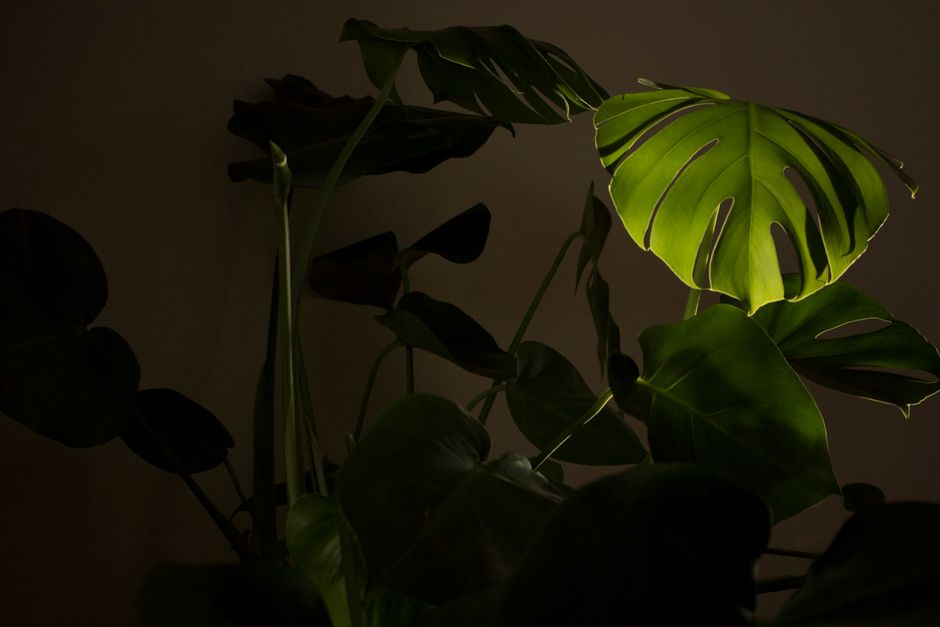
Philodendron ‘Majestic’ is a hybrid tropical aroid grown for its large, deeply lobed leaves and its tolerance of ordinary indoor conditions. Grow it in bright, indirect light, water when the top inch or two of soil feels dry, keep temperatures between roughly 65°F and 85°F, and pot it in a chunky, well-draining mix. It is not a low-light plant, and it is not a beginner’s cactus — it wants warmth, humidity, and soil that drains fast.
What Kind of Plant Is Philodendron ‘Majestic’?
It is a hybrid in the Philodendron genus, bred for ornamental foliage rather than flowers. The leaves are the point: large, glossy, and heavily lobed, often with a slightly ruffled edge. New leaves emerge from a sheath at the growing tip and unfurl over days to weeks.
Like most philodendrons, it is a tropical understory plant. In the wild, related species climb trees and send aerial roots into bark and moss. That background explains most of its care needs. It wants filtered light, steady warmth, and something to climb. It does not want soggy soil or cold drafts.
One clarification worth making: ‘Majestic’ is a cultivated hybrid, not a wild species you would find described in a botanical survey. That matters for care only in that hybrids can vary somewhat in vigor and leaf shape. The general philodendron care rules apply.
How Much Light Does Philodendron ‘Majestic’ Need?
Bright, indirect light is the target. A spot a few feet back from a sunny window, or near an east-facing window, usually works. Direct midday sun can scorch the leaves, especially on a young plant that has not acclimated.
Light is the most common reason a ‘Majestic’ looks tired. In deep shade, growth slows, new leaves come out smaller, and the plant stretches toward whatever light it can find. That stretching — long gaps between leaves and a leggy stem — is a clear sign it wants more light.
If you only have a dim room, a grow light is a reasonable option. The plant does not need intense light; it needs consistent, moderate brightness. Rotating the pot a quarter turn every week or two helps it grow evenly rather than leaning.
How Should You Water Philodendron ‘Majestic’?
Water thoroughly when the top inch or two of the potting mix feels dry to the touch. Then let it drain completely and don’t water again until that top layer dries out. Overwatering is the single most common way people kill this plant.
The mechanism is straightforward. Philodendron roots need oxygen. In constantly wet soil, air spaces fill with water, roots suffocate, and opportunistic fungi and bacteria move in. The result is root rot — yellowing leaves, mushy stems near the soil line, and a plant that declines even though the soil is wet.
A few practical points:
- Always use a pot with drainage holes. A decorative cachepot is fine only if you empty it after watering.
- Check moisture with a finger or a wooden skewer, not a schedule. A plant in a cool room in winter dries out far more slowly than one in a warm, bright room in summer.
- Water less in winter, when growth slows and the plant uses less water.
- If water runs straight through and the soil feels bone dry, the mix may have become hydrophobic. Soak the pot in a basin for a few minutes to rehydrate it.
Yellow lower leaves can mean either overwatering or normal aging. If the newest leaves look healthy and only an old leaf now and then turns yellow, that is normal. If several leaves yellow at once and the stem feels soft, suspect too much water.
What Soil and Pot Does Philodendron ‘Majestic’ Need?
A chunky, well-draining mix is essential. A standard recipe combines potting soil with perlite and orchid bark or coco chips. The goal is a mix that holds some moisture but lets excess water run out fast and keeps air around the roots.
Heavy, dense potting soil straight from the bag tends to stay wet too long indoors. Amending it with perlite and bark is one of the simplest improvements you can make. The plant will forgive many things if the roots can breathe.
Repot when roots circle the inside of the pot or start emerging from the drainage holes, usually every year or two for a growing plant. Step up one pot size at a time. Moving to a much larger pot leaves a large volume of wet soil around a small root ball, which raises the risk of rot.
What Temperature and Humidity Does It Prefer?
Warmth matters. Keep it in a room that stays roughly between 65°F and 85°F. It dislikes cold drafts, air-conditioning vents pointed at it, and temperatures that dip near or below 50°F.
Humidity helps but is not as critical as many care guides imply. Native to humid tropics, it does best with moderate to high humidity, but it adapts to typical home air. Brown, crispy leaf edges often point to dry air, though they can also come from inconsistent watering or a buildup of salts in the soil.
A humidifier nearby, or grouping plants together, raises local humidity. Misting is popular but its effect is brief and it does not reliably raise humidity around the plant. It is not harmful in itself, but don’t count on it as a fix.
How Do You Support and Prune Philodendron ‘Majestic’?
Give it something to climb. In the wild, philodendrons use aerial roots to grip tree trunks, and a moss pole or trellis mimics that. A supported plant tends to produce larger leaves and a sturdier structure than one left to sprawl.
Pruning is mainly about shape and size. You can trim a leggy stem back to a node — the small bump where a leaf meets the stem — and the plant will usually push new growth from there. Clean your shears first. Removing dead or damaged leaves keeps the plant tidy and reduces places where problems can start.
Note that pruning a climbing philodendron can change its growth habit temporarily. It may send out side shoots or take a few weeks to resume. That is normal.
How Do You Propagate Philodendron ‘Majestic’?
Stem cuttings are the usual method. Take a cutting that includes at least one node — ideally with an aerial root or two — and root it in water or in a light, moist mix. Nodes are where new roots and leaves form, so a cutting without one will not grow.
Water rooting is easy to watch but the roots formed in water are adapted to water and can struggle when moved to soil. Rooting directly in a moist, airy mix can produce a stronger transition, though it takes more patience. Either way, keep the cutting warm and in bright, indirect light.
Division is another option if the plant has produced multiple stems from the base. Each division needs its own roots to survive.
What Problems Should You Watch For?
Most ‘Majestic’ problems trace back to water, light, or pests. Root rot from overwatering is the most serious. Pests to watch for include spider mites, mealybugs, and fungus gnats. Spider mites often show up as fine webbing and stippled, dull leaves, and they thrive in dry indoor air.
Wipe leaves occasionally so you can spot pests early. Isolate any new plant for a couple of weeks before putting it near your collection — this is one of the most effective habits for preventing outbreaks.
If leaves yellow, brown, or drop, work through the basics before assuming disease: Is the soil staying wet too long? Is the light too dim or too harsh? Is the room too cold? Most issues resolve when one of those is corrected.
Frequently Asked Questions
Is Philodendron ‘Majestic’ easy to care for?
It is moderately easy for someone willing to give it bright indirect light and careful watering. It is less forgiving of overwatering and low light than hardy houseplants like pothos.
How often should I water Philodendron ‘Majestic’?
Water when the top inch or two of soil feels dry, which varies with light, temperature, and pot size. Checking the soil is more reliable than following a fixed schedule.
Is Philodendron ‘Majestic’ toxic to pets?
Philodendrons contain calcium oxalate crystals and are considered toxic to cats and dogs if chewed or eaten. Keep it out of reach and contact a veterinarian or poison control if a pet ingests it.
Why are my Philodendron ‘Majestic’ leaves turning yellow?
Yellowing usually points to overwatering, though normal aging of old leaves also causes it. If several leaves yellow at once and the stem feels soft, check for root rot.
