
Penstemon Pristine Blue is a compact perennial grown for its tubular blue-violet flowers and its tolerance of heat and drought once established. To grow it well, plant it in full sun with sharply drained soil, water it deeply but infrequently after the first season, and avoid rich, waterlogged ground that shortens its life. It is a short-lived perennial by nature, so plan on dividing or taking cuttings every few years to keep it going.
What Is Penstemon Pristine Blue?
Penstemon is a large genus of flowering plants native to North America, with the greatest diversity in the western United States and Mexico. Pristine Blue is a named cultivar, meaning it is a selected form propagated for consistent flower color rather than a wild species you would find growing on a hillside.
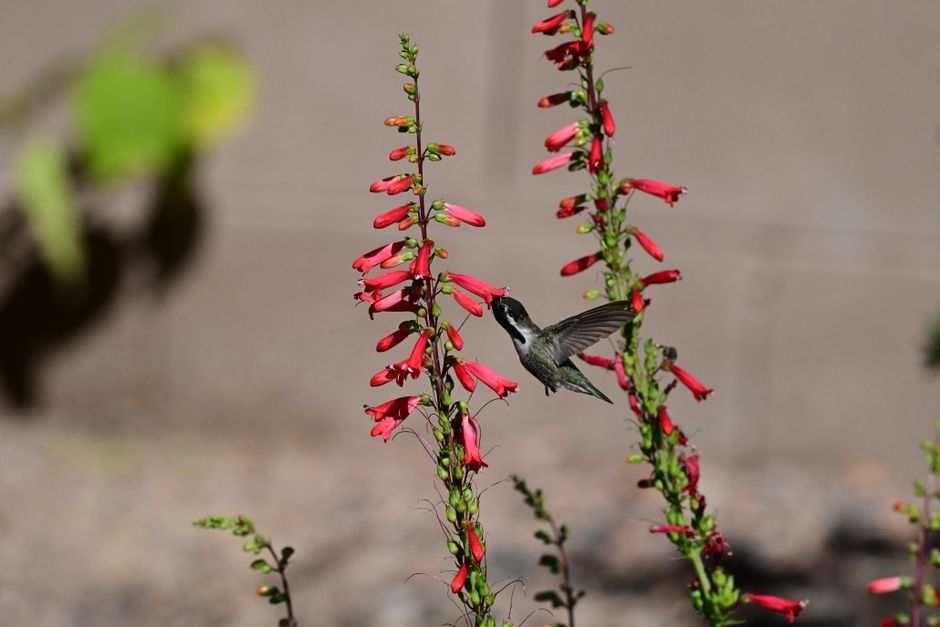
The plant forms a low mound of narrow, lance-shaped green foliage and sends up flower spikes in the warm months. The blooms are the classic penstemon shape: a tube that opens into two lips, built for bees and hummingbirds rather than flat, open pollination. That tubular structure is a real functional trait, not just a visual one. It limits which insects can reach the nectar and pollen.
One clarification worth making early: penstemons as a group are often described as short-lived perennials, and that reputation is largely earned. Many species and cultivars perform beautifully for two to four years and then decline. This is not usually a sign you did something wrong. It is the plant’s natural growth pattern, and the practical response is propagation rather than rescue.
How To Grow And Care For Penstemon Pristine Blue
The single most important factor is drainage. Penstemons in general are adapted to rocky, gravelly, or sandy soils that shed water quickly. A Pristine Blue planted in heavy clay that stays wet will typically rot at the crown, often within a single wet season.
If your soil is clay, the workable fix is to plant on a slight mound or raised bed and amend the planting hole generously with coarse material such as grit or small gravel. Do not simply dig a hole and backfill with rich compost in clay ground. That creates a bathtub effect where water collects around the roots with nowhere to go.
Sun matters almost as much. Full sun keeps the foliage dense and reduces the conditions that favor powdery mildew and other fungal problems. In the hottest parts of the country, a little afternoon shade is tolerable, but heavy shade produces weak, floppy growth and fewer flowers.
Watering is where most gardeners overdo it. During the first season after planting, regular water helps the roots establish. After that, deep watering every week or two during dry spells is generally enough, and many established plants in the ground manage on rainfall alone in regions with average summer moisture. The goal is to soak the root zone and then let it dry.
Fertilizer is usually unnecessary and can be counterproductive. Lean soil tends to produce sturdier plants. If you do feed, a light application in spring is the cautious approach, and too much nitrogen pushes soft leafy growth at the expense of flowers.
What Kind Of Soil And Light Does It Need?
Well-drained soil in full sun is the short answer, but the details matter more than the summary.
- Drainage: Fast-draining is non-negotiable. Grit, sand, or gravel content helps.
- pH: Penstemons generally tolerate a range from mildly acidic to slightly alkaline. Extreme acidity or alkalinity is not ideal.
- Fertility: Low to moderate. Rich soil encourages rank growth and short life.
- Light: Six or more hours of direct sun for the strongest flowering.
Mulch is a point of genuine disagreement among growers. A light gravel mulch suits penstemons well because it keeps the crown dry and reflects some heat. A thick organic mulch piled against the stems can hold moisture at the crown, which is exactly the condition that leads to rot. If you use organic mulch, keep it away from the base of the plant.




How Do You Prune And Deadhead Penstemon Pristine Blue?
Deadheading spent flower spikes encourages more blooms through the season and keeps the plant looking tidy. Cut the stem back to a set of leaves rather than leaving a bare stub.
In late summer or early autumn, many growers cut the whole plant back by about a third to a half to encourage fresh basal growth before winter. That new growth is what carries the plant into the next year, so this timing is not arbitrary.
Whether to cut back hard in autumn or wait until spring depends on your climate. In cold-winter regions, leaving the top growth in place can offer some protection to the crown, and cleanup waits until new growth appears in spring. In mild-winter regions, autumn cleanup is common and generally fine.
Do not prune into old, leafless wood. Penstemons often do not regenerate reliably from bare stems, so always leave some leafy growth below your cut.
How Do You Propagate And Keep It Going Long Term?
Because these plants are naturally short-lived, propagation is the practical way to keep Pristine Blue in the garden rather than treating each plant as permanent.
Softwood or semi-ripe cuttings taken in late spring or summer root readily for many penstemon cultivars. Take shoots that are not flowering, remove the lower leaves, and root them in a gritty, well-drained mix. Division in early spring is another option, though penstemons do not always divide cleanly.
A useful habit is to root a few cuttings every year or two and plant them out as replacements. That way, when an older plant begins to decline, you already have its successor growing. This is standard practice among penstemon growers and reflects the plant’s biology rather than any failure of care.
Seed is possible with some cultivars, but named cultivars like Pristine Blue are propagated vegetatively specifically to preserve their characteristics. Seedlings may not match the parent’s flower color or habit.
What Problems And Pests Should You Watch For?
Crown and root rot are the most common reasons a penstemon dies, and they trace back to excess moisture and poor drainage. By the time you see a collapsing plant, the damage is usually well advanced and hard to reverse. Prevention through siting and watering is the real strategy.
Powdery mildew can appear on foliage, particularly in humid conditions or where air circulation is poor. Good spacing and sun exposure reduce the risk. Some penstemon cultivars show better mildew resistance than others.
Aphids and spider mites occasionally show up, and slugs can damage young growth in damp conditions. These are generally manageable and rarely fatal on their own.
Cold hardiness varies by cultivar, and specific hardiness ratings for Pristine Blue should be checked against the grower’s own labeling rather than assumed. If you are at the edge of a plant’s range, winter drainage matters as much as temperature. A plant that is cold-hardy but sitting in wet winter soil can still die.
Is Penstemon Pristine Blue Good For Pollinators?
Yes, and the flower shape is the reason. The tubular blooms are well matched to bees and hummingbirds, which can reach the nectar that flatter, more open flowers offer to a wider range of insects.
This makes penstemons a reasonable choice for a pollinator-friendly garden, though it is worth being honest about what that means. Planting nectar and pollen sources supports pollinators by providing food. It does not by itself replace habitat, nesting sites, or the native plant communities that many specialist species depend on.
Penstemons are native to North America, which is a point in their favor, but a named cultivar is not the same as a locally native species. Both can have value in a garden. If supporting local biodiversity is your main goal, mixing native species with garden cultivars is a more realistic approach than relying on any single plant.
Frequently Asked Questions
How often should you water Penstemon Pristine Blue?
Water regularly during the first season to establish roots, then switch to deep, infrequent watering during dry spells. Established plants in average rainfall regions often need little to no supplemental water.
Does Penstemon Pristine Blue come back every year?
It is a perennial, but penstemons are typically short-lived and often decline after two to four years. Propagating cuttings every year or two is the reliable way to keep it in your garden long term.
Why is my Penstemon Pristine Blue dying in the middle?
A plant that collapses from the center is usually suffering from crown or root rot caused by poor drainage or overwatering. Once rot is advanced, the plant rarely recovers, so improving soil drainage before planting is the better solution.
Can Penstemon Pristine Blue grow in clay soil?
Not well without modification, because penstemons need fast-draining soil. Planting on a mound or raised bed with added grit or gravel gives the roots the drainage they require.
