
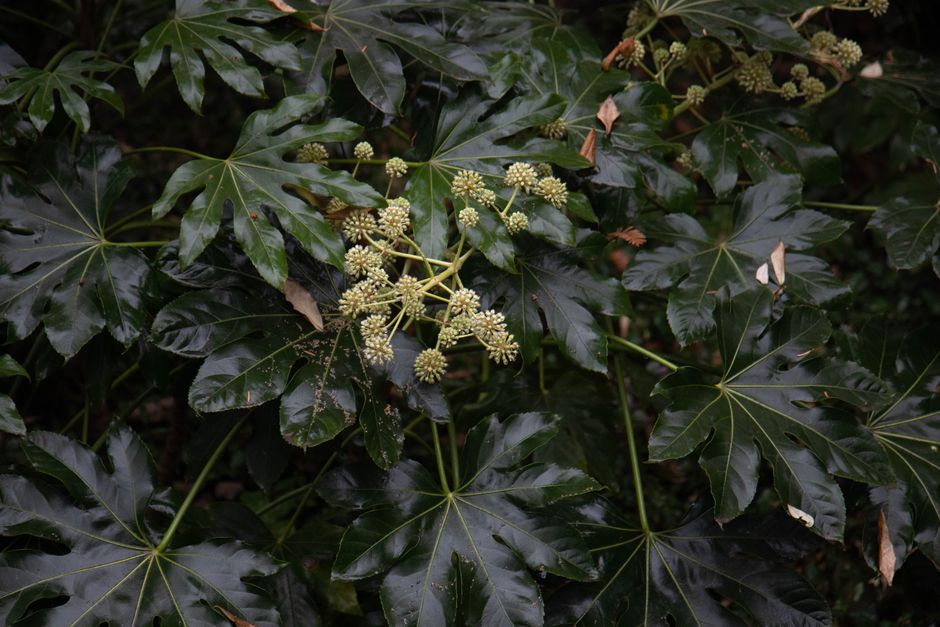
Fatsia japonica, often called the Japanese aralia or false castor oil plant, thrives in containers when given the right balance of shade, moisture, and space. The key to success is simple: use a pot with drainage holes, keep the soil consistently damp but never soggy, and place the plant in bright, indirect light or partial shade. With these basics handled, this bold, architectural plant will reward you with large, glossy, hand-shaped leaves for years.
Why Grow Fatsia Japonica in a Pot?
Fatsia japonica is a vigorous shrub that can reach 6 to 10 feet tall and wide when planted in the ground. In a pot, growth is naturally more restrained, which makes it a practical choice for patios, balconies, and entryways. Container growing also lets you move the plant to shelter when winter temperatures threaten.
This plant is not a true houseplant in the sense that it needs a cool, bright room to truly thrive. It does not tolerate the dry, warm air of a centrally heated living room for long periods. Many gardeners treat it as a patio plant that comes indoors only for the coldest months.
Choosing the Right Pot and Soil
Pot size matters more than most people think. A young plant in a 6-inch pot can start there, but you will need to move up to a 12 to 14-inch container within a year or two. Fatsia japonica has a thick, fleshy root system that dislikes being cramped. When roots fill the pot, growth slows and leaves may yellow.
Use a pot with at least one drainage hole. This is non-negotiable. Fatsia japonica roots rot quickly in standing water. If you want to use a decorative pot without holes, plant in a plain nursery pot and slip it inside the decorative one. Remove it when watering so excess water can drain away.
Any good-quality, peat-free potting mix works. The main requirement is that it holds moisture without becoming waterlogged. A mix labeled for containers or houseplants is fine. You can add a handful of perlite or coarse grit to improve drainage if your mix seems heavy.
Light Requirements: Shade Is Fine, Harsh Sun Is Not
Fatsia japonica is one of the few large-leaved plants that genuinely prefers shade. In its native Japan and Korea, it grows on forest floors and along shaded streams. Direct afternoon sun scorches the leaves, causing brown, crispy patches that never heal.
The ideal spot is bright, indirect light or dappled shade. A north-facing patio, a spot under a tree canopy, or a porch that gets morning sun only all work well. Indoors, place it near a bright window but out of the direct sunbeam. If the leaves start to look pale or bleached, move the plant to a shadier spot.
One exception exists. In cool, cloudy climates, some direct morning sun is usually tolerated and can even help the plant grow more densely. The key is avoiding intense afternoon exposure.




Watering: The Most Common Mistake
Overwatering kills more Fatsia japonica plants than any other cause. The plant wants consistent moisture, not a swamp. The goal is soil that feels like a wrung-out sponge — damp to the touch but not dripping.
Check the top inch of soil before watering. If it feels dry, water thoroughly until water runs from the drainage holes. If it still feels moist, wait another day or two. During active growth in spring and summer, this often means watering every 2 to 3 days in warm weather. In winter, when growth slows, watering once a week or even less is usually enough.
Signs of overwatering include yellowing lower leaves, soft stems, and a musty smell from the soil. Signs of underwatering are drooping leaves that look limp and lifeless. The plant usually recovers from a missed watering, but it rarely recovers from root rot.
Temperature and Humidity Needs
Fatsia japonica is surprisingly cold-hardy for a plant with such large, tropical-looking leaves. It survives winter temperatures down to about 10°F (-12°C) when planted in the ground. In pots, the roots are more exposed to cold, so the plant is less hardy. Container plants should be moved to a sheltered spot or an unheated garage when temperatures drop below 20°F (-7°C).
The plant prefers temperatures between 55°F and 70°F (13°C to 21°C). It dislikes intense heat above 80°F (27°C) for prolonged periods, which is another reason it struggles as an indoor plant in warm rooms. Cool nights are actually beneficial.
Humidity is less critical than many sources suggest. The plant tolerates average household humidity, though it looks better with occasional misting or a nearby humidifier. Brown leaf edges often indicate low humidity or inconsistent watering, but this cosmetic damage does not harm the plant’s health.
Fertilizing Container-Grown Fatsia
Container plants need regular feeding because nutrients wash out of the soil with each watering. Use a balanced, water-soluble fertilizer formulated for houseplants or foliage plants. A 10-10-10 or 20-20-20 formula works well.
Feed every 4 to 6 weeks during the growing season, which runs from early spring through late summer. Do not fertilize in fall or winter when growth naturally slows. Overfertilizing causes salt buildup in the soil, which shows up as brown leaf tips and a white crust on the soil surface. If you see this, flush the pot with plenty of clean water.
No specific brand is necessary. Any complete fertilizer at half the recommended strength, applied monthly, keeps the plant healthy without risk of burning the roots.
Pruning and Maintenance
Fatsia japonica needs minimal pruning. Remove yellow or damaged leaves at the base of the stem whenever you notice them. If the plant becomes leggy or too tall for its space, you can cut a stem back to a leaf node in early spring. New growth will emerge from below the cut.
Wipe the large leaves occasionally with a damp cloth to remove dust. This keeps the leaf surface clean for photosynthesis and makes the plant look better. It also helps you spot spider mites or scale insects early, since these pests are easier to see on clean leaves.
Repot every 2 to 3 years in spring. Move to a pot one size larger, or refresh the top few inches of soil if you want to keep the plant in the same container. Roots growing out of the drainage holes are a clear sign the plant needs more space.
Common Pests and Problems
Spider mites are the most common pest on indoor Fatsia japonica. These tiny pests thrive in dry, warm air and cause stippled, yellowish leaves. A strong spray of water or insecticidal soap usually controls them. Scale insects appear as small, brown bumps on stems and leaf undersides. They can be scraped off or treated with horticultural oil.
Root rot is the most serious problem and is almost always caused by overwatering. Soft, brown stems and a foul smell from the soil mean the roots are dying. If caught early, you can repot the plant in fresh, dry soil and reduce watering. If the stems are already mushy, the plant is unlikely to recover.
Leaf drop often results from sudden temperature changes or drafts. The plant dislikes being moved from a warm room to a cold porch or vice versa. Acclimate it gradually over a week by moving it to intermediate spots.
Winter Care for Potted Plants
Winter is the most challenging season for container-grown Fatsia japonica. The plant’s cold hardiness drops significantly when roots are exposed to freezing air in a pot. Move the container to a sheltered location against a building wall, which provides some radiant heat and wind protection.
An unheated garage, shed, or basement works well if the temperature stays above freezing. The plant goes semi-dormant in winter and needs very little water. Check the soil monthly and water only if it is completely dry. Do not fertilize.
If you keep the plant indoors for winter, place it in the coolest, brightest room you have. A bright, unheated hallway or a cool bedroom is ideal. Keep it away from radiators and heating vents, which dry out the air and stress the plant.
How To Grow And Care For Fatsia Japonica In Pots: Quick Reference
For a fast summary, keep these points in mind. Choose a pot with drainage holes and a quality potting mix. Place the plant in bright, indirect light or partial shade, avoiding direct afternoon sun. Water when the top inch of soil feels dry, aiming for consistently damp but not soggy soil. Feed monthly during spring and summer, skip feeding in winter. Protect the pot from hard freezes by moving it to a sheltered spot. Repot every 2 to 3 years in spring.
Following these steps consistently will keep your Fatsia japonica healthy and vigorous. The plant is forgiving of minor neglect but intolerant of overwatering and harsh sun. Get those two things right, and the rest is easy.
Frequently Asked Questions
How often should I water Fatsia japonica in a pot?
Water when the top inch of soil feels dry, which is typically every 2 to 3 days in warm weather and as little as once a week in winter. Always check the soil before watering rather than following a fixed schedule.
Can Fatsia japonica survive winter outdoors in a pot?
Potted plants tolerate temperatures down to about 20°F (-7°C), but the roots are more exposed to cold than they would be in the ground. Move the pot to a sheltered spot or an unheated garage when hard freezes are forecast.
Why are the leaves on my Fatsia japonica turning yellow?
Yellowing leaves usually mean overwatering, especially if the soil feels soggy. Reduce watering and check that the pot has proper drainage.
Does Fatsia japonica need direct sunlight?
No, direct afternoon sun scorches the leaves. The plant prefers bright, indirect light or partial shade.
