
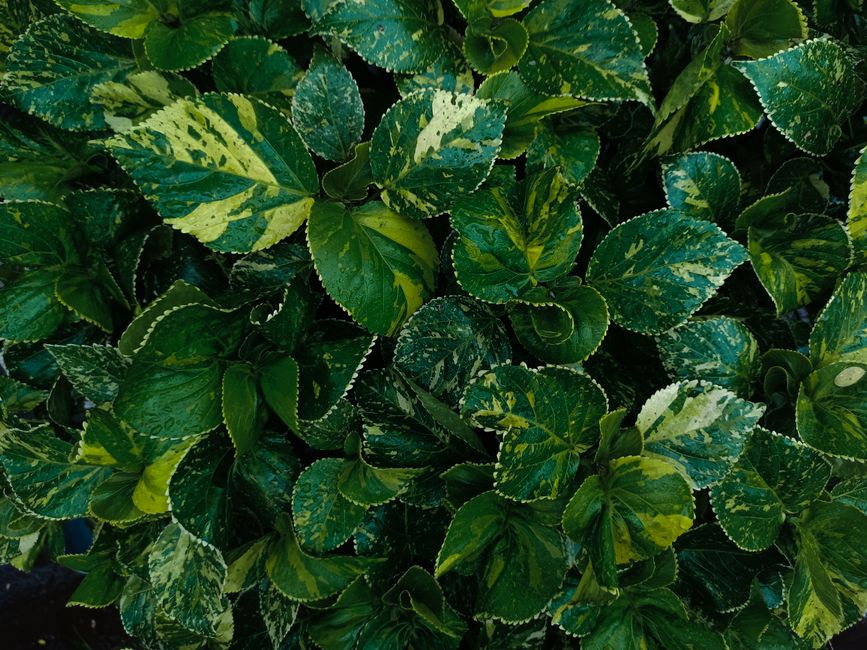
Variegated geraniums are pelargoniums grown for their two-tone leaves as much as their flowers, and they need the same basics as green-leaf types: full sun, fast-draining soil, and steady water without a soaked root zone. The one real difference is light. Leaves with white or cream margins carry less chlorophyll, so the plants often grow slower and can scorch in harsh afternoon sun that a plain green geranium shrugs off. Give them roughly four to six hours of direct sun, let the soil dry slightly between waterings, and pinch off any stems that revert to solid green.
What Is a Variegated Geranium?
What most people call a geranium is a pelargonium. True geraniums are a separate genus, mostly hardy garden plants called cranesbills. The potted, flowering plants sold by the millions as geraniums are pelargoniums, native to southern Africa. That naming mix-up has been around for centuries and is not worth fighting. Just know that when a garden center labels a plant “variegated geranium,” it almost always means a variegated pelargonium.
Variegation means the leaves carry more than one color. In these plants the pattern usually shows as white, cream, or pale yellow edges, zones, or splashes against green. The pale sections lack the chlorophyll that drives photosynthesis. That single fact explains most of the care differences you will notice.
The plants fall into a few loose groups. Zonal pelargoniums have the familiar dark horseshoe marking on the leaf and come in upright and trailing forms. Scented-leaf pelargoniums are grown for fragrant foliage and include many variegated cultivars. Ivy pelargoniums trail from baskets and also have variegated selections. The care is broadly similar across all of them.
How Much Light Does a Variegated Geranium Need?
Aim for four to six hours of direct sun, ideally in the morning, with bright indirect light the rest of the day. That is the sweet spot for most variegated pelargoniums. Plain green geraniums will take more sun and often bloom harder in it. Variegated types are more prone to leaf scorch because the pale tissue has less chlorophyll and fewer of the pigments that help shield against intense light.
Afternoon sun in a hot climate is the usual culprit. If the white margins start turning brown and crisp while the green parts stay healthy, that is a light problem, not a watering problem. Move the plant to a spot with morning sun and filtered afternoon light.
Too little light causes the opposite failure. Stems stretch, the plant gets leggy, and flowering drops off. Variegated plants in deep shade may also lose some of their pattern, since the plant produces more green tissue to capture what light it can get.
How Do You Water a Variegated Geranium?
Water when the top inch or so of soil feels dry, then water thoroughly until it runs out the drainage holes. Let the pot drain and never leave it sitting in a saucer of standing water. Pelargoniums are far more tolerant of brief dryness than of constantly wet roots. Soggy soil is the most common way people kill these plants.
In containers, that means checking every few days in summer and much less often in winter. In garden beds, established plants are fairly drought-tolerant once rooted. Newly planted ones need more regular water until they settle in.
Water the soil, not the leaves. Wet foliage, especially in still air and cool evenings, invites fungal problems. If you do splash the leaves, do it early in the day so they dry quickly.
One detail worth knowing: variegated plants often use water a little more slowly than green ones because they have less photosynthetic tissue. That means they can stay wet longer after watering. If you are used to green geraniums, check the soil before assuming a variegated one needs a drink.





What Soil and Fertilizer Do They Need?
Use a light, fast-draining mix. A standard potting mix blended with perlite or coarse sand works well in containers. In the ground, pelargoniums want soil that drains freely rather than heavy clay that holds water.
Fertilizer is where variegated plants need a lighter hand than green ones. Feed with a balanced liquid fertilizer at about half the label strength, roughly every two to four weeks during active growth. Heavy feeding pushes soft, leafy growth and can reduce the variegation, because the plant invests more in green tissue. Overfeeding also makes plants floppy and less likely to flower well.
Stop feeding in late fall and winter, when growth slows and the plant is not using nutrients at the same rate.
How Do You Prune and Keep the Variegation?
Pinch out the growing tips of young plants to encourage branching and a fuller shape. Remove spent flowers to keep the plant producing more. In late winter or early spring, cut back leggy stems to tidy the plant and prompt fresh growth.
The variegation question is the one people ask most. Variegated pelargoniums can throw solid green shoots, and those shoots grow faster because they make more food. Left alone, they can take over and crowd out the patterned growth you wanted. Cut any all-green stem back to where it joins the plant, or to a point that still shows variegation. Do it as soon as you spot it.
Also remove any leaves that turn fully green, for the same reason.
Can You Grow Them From Cuttings?
Yes, and cuttings are the reliable way to keep a variegated plant true to type. Take a stem cutting with a few nodes, strip the lower leaves, and let the cut end callus for a day or so before placing it in a fast-draining mix. Keep it warm and out of direct sun until roots form.
Growing variegated pelargoniums from seed is less predictable. Seed-grown plants may not carry the same pattern, and some variegation does not come true from seed at all. If you want the exact look of the parent plant, propagate from cuttings.
One caution on cuttings: choose stems that still show the pattern. A cutting taken from a reverted green shoot will produce a green plant.
What Problems Should You Watch For?
Most trouble with these plants comes down to a short list.
- Root rot from overwatering or poor drainage. Yellowing, wilting, and mushy stems point to this.
- Leaf scorch from too much harsh sun. Brown, crisp patches on the pale margins are the sign.
- Leggy growth from too little light. Long stems and few flowers.
- Reverted green shoots that outcompete the variegated growth.
- Pests such as aphids and whiteflies, which can gather on soft new growth.
Variegated plants are sometimes described as more delicate than green ones, and there is a real basis for that. Less chlorophyll means less energy, slower growth, and less ability to bounce back from stress. They are not fragile, but they are less forgiving of mistakes than a plain green geranium.
Can You Keep Them Over Winter?
Pelargoniums are tender and will not survive a hard freeze. In cold climates, bring potted plants indoors before the first frost and keep them in a bright spot. They will slow down and may drop some leaves, which is normal.
Water much less in winter, letting the soil dry more between waterings. Do not fertilize while growth is dormant. In mild climates where frost is rare, plants can often stay outdoors year-round with some protection on cold nights.
If you overwinter plants indoors, check them for pests before bringing them in, since indoor conditions let insects spread quickly to other houseplants.
Frequently Asked Questions
How much sun does a variegated geranium need?
About four to six hours of direct sun, ideally in the morning, with bright indirect light the rest of the day. Variegated types scorch more easily than green ones in harsh afternoon sun.
Why is my variegated geranium turning green?
It is producing green shoots that grow faster than the variegated ones and can take over the plant. Cut those all-green stems back to a point that still shows the pattern.
How often should I water a variegated geranium?
Water when the top inch of soil feels dry, then let the pot drain fully. Frequency depends on your climate and pot, so check the soil rather than following a fixed schedule.
Can you grow variegated geraniums from seed?
You can, but the seedlings may not carry the same pattern as the parent plant. Cuttings are the reliable way to keep a variegated plant true to type.
