
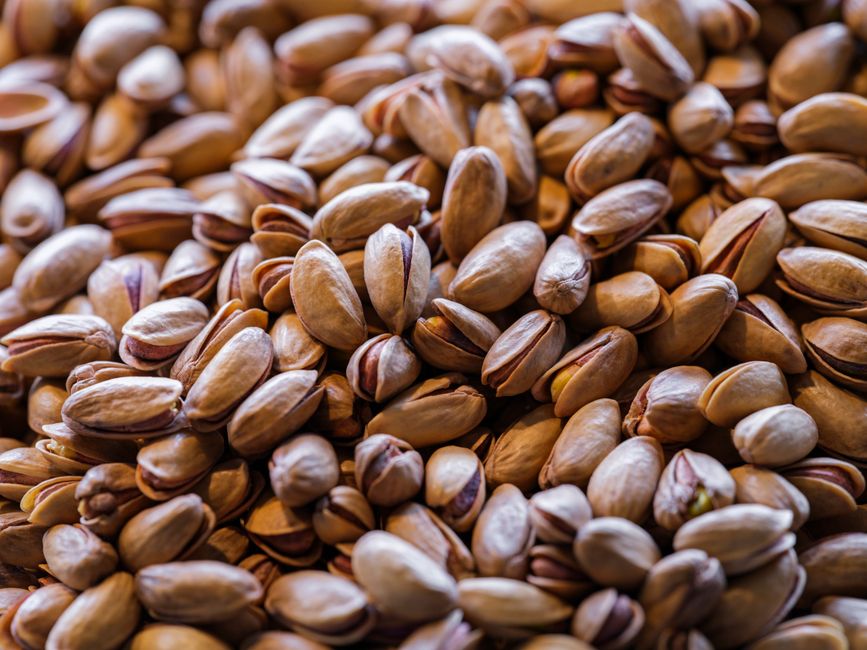
Growing a pistachio starts with a single nut, but it takes patience. You plant a raw, unsalted pistachio in well-draining soil, keep it warm, and wait for germination, which can take several weeks. The tree that follows is slow-growing and needs years before it produces nuts of its own. Step by step, the process moves from a pot on a windowsill to a tree that wants full sun, deep roots, and a long, hot summer.
This is a genuinely difficult plant to grow at home, and it helps to know that up front. Pistachios are native to dry, hot regions of Central Asia and the Middle East. They have specific needs that most backyard gardeners cannot easily meet. Still, growing one from a nut is a real project that many people find rewarding, even if the harvest is years away or never comes.
Can You Actually Grow a Pistachio From a Store-Bought Nut?
Sometimes, but most pistachios sold in stores will not sprout. The reason comes down to processing. The vast majority of pistachios on grocery shelves are roasted, and roasting kills the embryo inside the shell. Salted varieties add another problem, since high salt can interfere with germination.
To have any real chance, you need raw, unsalted pistachios. These are sometimes sold in health food stores or online. Even then, success is not guaranteed. Nuts sold for eating may have been dried or stored in ways that reduce viability, and some have been heat-treated for food safety.
Here is a detail that surprises many people. A pistachio is not actually a nut in the botanical sense. It is a drupe, a fruit with a fleshy outer layer and a hard stone inside. The part we eat is the seed within that stone. This matters because it tells you how the plant reproduces and what the seed needs to wake up.
Your best odds come from fresh, raw pistachios that have not been roasted, salted, or heavily processed. If you can find a supplier who sells nuts intended for planting, even better. Those are handled with germination in mind.
How To Grow A Pistachio: Step by Step
The process has a clear sequence. Each step builds on the one before it, and rushing any stage tends to cause failure.
Step 1: Choose and Prepare the Seed
Select raw, unsalted pistachios with intact shells. Discard any that are cracked, shriveled, or smell off. You can leave the shell on or remove it, but many growers crack the shell gently to help moisture reach the seed.
Soak the seeds in room-temperature water for about 24 hours. This softens the seed coat and starts the hydration process. Some growers change the water once or twice during soaking.
Step 2: Stratify If Needed
Pistachio seeds often germinate better after a period of cold, a process called stratification. In nature, this happens over winter. To mimic it, place the soaked seeds in a sealed bag with slightly damp material such as a paper towel or peat moss, and keep them in a refrigerator for several weeks.
The exact duration varies by source and species, and there is no single universally agreed figure for home growers. Some sources suggest a month or more of cold treatment. Others report germination without it. If you skip stratification, expect slower and less reliable results.
Step 3: Plant in Well-Draining Soil
Fill a small pot with a light, well-draining mix. A blend of potting soil and sand or perlite works well. Pistachios rot easily in soggy soil, so drainage is not optional.
Plant the seed about one inch deep and cover it lightly. Water gently until the soil is moist but not waterlogged. Place the pot somewhere warm, ideally in the range of 70 to 80 degrees Fahrenheit.
Step 4: Wait for Germination
Keep the soil consistently moist, never soaked. Germination can take several weeks, and some seeds simply will not sprout. Patience matters here. Plant more seeds than you need, since germination rates are often low.
Once a green shoot appears, move the pot to a bright spot. A young seedling needs strong light to grow sturdy rather than leggy.
Step 5: Care for the Seedling
Let the soil dry slightly between waterings. Young pistachios are vulnerable to damping off, a fungal problem that thrives in wet conditions. Good airflow and careful watering help prevent it.
Feed sparingly. Too much fertilizer can harm a young plant. A diluted, balanced fertilizer applied occasionally is generally safer than a heavy dose.
Step 6: Move Outdoors When Ready
When the seedling is established and the weather is warm, gradually introduce it to outdoor conditions. This hardening-off process protects it from shock. Pistachios want full sun and soil that drains well.
In the ground, they develop a long taproot, which makes them drought-tolerant once established but also makes them hard to transplant. Choose a permanent spot carefully, or keep the tree in a large container.
What Climate and Conditions Do Pistachio Trees Need?
Pistachios want heat, sun, and dry air. They are well suited to regions with long, hot, dry summers and cool winters. In the United States, commercial production is concentrated in areas like California, where these conditions exist.
They do not tolerate humid, wet climates well. Excess moisture encourages fungal disease, and the trees struggle in heavy, poorly draining soil. If you live somewhere humid and rainy, growing a healthy pistachio tree outdoors is an uphill battle.
Cold is another factor. Pistachios need some winter chill to break dormancy and produce well, but they are sensitive to severe freezes. The trees are also wind-pollinated and typically need a male and a female tree for nuts to form.
How Long Does It Take to Get Pistachios?
A long time. Pistachio trees are slow to mature. Seedlings generally take many years before they flower and produce nuts, and the wait from seed is longer than from a grafted tree. In commercial orchards, trees are often grafted specifically to speed up and standardize production.
Even a mature tree does not produce every year in abundance. Pistachios are known for alternate bearing, meaning a heavy crop year tends to be followed by a lighter one. This is a natural pattern, not a sign that something is wrong.
For a home grower starting from a store-bought nut, the realistic expectation is a long wait with no guarantee of nuts at all. Many people grow pistachios as interesting foliage plants rather than as a food crop.
Common Mistakes When Growing Pistachios
Most failures come down to a few avoidable problems.
- Using roasted or salted nuts, which will not sprout.
- Overwatering, which causes rot and fungal disease.
- Planting in heavy soil that holds water.
- Keeping the plant in too little light.
- Expecting a fast harvest from a slow tree.
The overwatering mistake is the most common. Pistachios evolved in dry places, and their roots are built for infrequent water. Treating them like a typical houseplant, watered often and kept damp, tends to do more harm than good.
Is Growing a Pistachio Tree Worth It at Home?
It depends on what you want. As a food crop, growing pistachios at home is difficult and slow, and most home growers will not get a meaningful harvest. As a gardening project and a way to learn about an unusual plant, it can be genuinely satisfying.
If your goal is a reliable nut harvest, buying pistachios is far more practical. If your goal is the experience of growing something from a seed and watching it develop, a pistachio is a worthwhile experiment. Just go in with honest expectations about the timeline and the odds.
One more point worth knowing. Pistachio shells that split open naturally on the tree are a sign of ripeness. Commercial growers harvest when the hull loosens and the shell splits. For a home grower lucky enough to reach that stage, it is a genuine milestone.
Frequently Asked Questions
Can I grow a pistachio from the ones I buy at the store?
Only if they are raw and unsalted, since roasting and salting prevent sprouting. Even raw store-bought nuts often fail to germinate.
How long does it take for a pistachio seed to sprout?
Germination can take several weeks, and cold stratification before planting often improves the odds. Not every seed will sprout.
Do pistachio trees need a pollinator?
Yes, pistachios are typically wind-pollinated and need both a male and a female tree for nuts to form. A single tree usually will not produce a crop.
Can I grow a pistachio tree in a pot?
You can grow a young tree in a large container with excellent drainage, but long-term nut production in a pot is unlikely. Pistachios want deep roots and full sun.
