
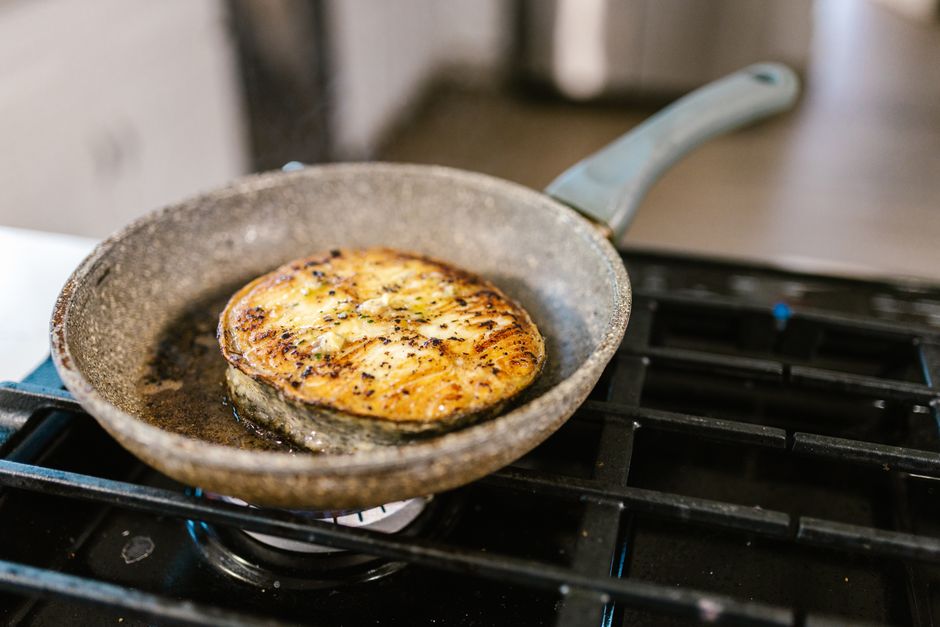
Grilling salmon with the skin on is the easiest way to get crispy skin and moist fish at the same time. Start with the skin side down over a clean, well-oiled grate. Cook most of the way through on that side, then flip once to finish. The skin holds the fillet together and protects the flesh from the direct heat.
Most people flip too early. The skin needs time to release from the grate on its own. If it sticks when you try to turn it, it is not ready yet.
Why Grill Salmon With the Skin On?
The skin is a natural barrier. It shields the delicate flesh from the flames and keeps moisture inside while the fish cooks.
It also makes the fillet easier to handle. Skinless salmon tends to flake and fall apart on a hot grate. With the skin on, you have a firm surface to work with and a built-in safety net.
And when it is done right, the skin turns crisp and golden. Some people eat it. Others slide it off after cooking and leave it behind. Either way, it did its job.
One thing worth knowing: the skin does not need to be scaled. Salmon skin is typically sold already scaled. If yours still has scales, ask your fish counter to remove them or scrape them off with the back of a knife before cooking.
How To Grill Salmon With Skin Without Sticking
Sticking is the number one problem people run into. The fix is simple: a clean grate, a hot fire, and a light coat of oil on the fish itself.
Prep the grate
Heat your grill with the lid closed for about 10 to 15 minutes. Then scrub the grates with a stiff brush while they are hot. Any leftover residue from the last cook is where fish will grab and tear.
Once the grate is clean, oil it. Fold a paper towel, soak it in a neutral high-heat oil, and use tongs to rub it across the grates right before the fish goes on. Do not use spray oil over an open flame.
Prep the fish
Pat the skin completely dry with paper towels. Moisture is the enemy of crispy skin and a non-stick release. A wet fillet steams instead of sears.
Brush a thin layer of oil on the skin side. Season the flesh side with salt and pepper. If you are using a marinade or glaze with sugar in it, save it for the end. Sugar burns fast over direct heat.
Use the right heat
Medium-high heat is the target. You want a strong sear on the skin without the outside of the fish burning before the center cooks. If your grill runs very hot, set up a two-zone fire: coals or burners on one side, nothing on the other. Start the fish over the hot side, then move it to the cooler side to finish if needed.
How Long Should You Grill Salmon Skin Side Down?
Plan on roughly 6 to 8 minutes skin side down for a fillet about 1 inch thick, then 2 to 4 minutes on the other side. These are general ranges, not a rule. Thickness, heat, and how cold the fish is all change the timing.
Watch for visual cues instead of relying on the clock alone. The flesh will turn opaque from the bottom up, and the color change will creep toward the top surface. That is your signal to flip.
Salmon is safe to eat at an internal temperature of 145°F, which is the standard set by the U.S. Food and Drug Administration. Many people prefer salmon cooked to a slightly lower temperature for a moister result, but 145°F is the reference point for food safety. A quick-read thermometer inserted into the thickest part is the only reliable way to know.
The fish will also keep cooking for a minute or two after you pull it off the grill. Take it off just before it reaches your target temperature.
How Do You Flip It Without Breaking the Fish?
Use a wide, thin metal spatula and slide it fully under the skin before you lift. A narrow spatula or tongs alone will crack the fillet.
Here is the key test: gently nudge the fillet with your spatula. If it moves freely, it is ready to flip. If it resists, give it another minute. The skin releases naturally when it has seared enough.
Support the fillet with your other hand or a second spatula as you turn it. One clean motion. Do not fuss with it after it lands.
Should You Cook Salmon Covered or Uncovered?
Uncovered for most of the cook. You want direct contact with the heat to crisp the skin.
Covering the grill traps steam, and steam softens the skin. The exception is a thick fillet or a whole side of salmon that needs to cook through without the outside burning. In that case, close the lid near the end or move the fish to indirect heat. Some cooks close the lid for the last couple of minutes just to even out the cooking.
If you are working with a gas grill and the skin is browning too fast, lower the heat and finish with the lid down over indirect heat.
What About Marinades, Rubs, and Wood Smoke?
Keep it simple on the skin side. Salt, pepper, and oil are enough. Anything wet or sugary on the skin will burn before the fish is done.
Apply glazes and sauces in the last minute or two of cooking, or brush them on after the fish comes off the grill. A dry rub works well on the flesh side and holds up better than a wet marinade over direct heat.
For smoke flavor, add wood chips or a wood chunk to the fire. Salmon takes on smoke quickly, so a small amount goes a long way. Soaking chips is a common practice, though opinions vary on whether it makes a real difference. Either way, keep the smoke light so it does not overpower the fish.
How Do You Know When It Is Done?
Use a thermometer. Insert it into the thickest part of the fillet, away from the bone if there is one. The FDA reference for safely cooked fish is 145°F.
Without a thermometer, press the fish with a finger. It should feel firm at the edges and give slightly in the center. Flakes should separate easily with a fork but the fish should not look dry or chalky.
White streaks of albumin, a protein that sometimes leaks out during cooking, are a sign the fish got hot fast. They are harmless and do not affect taste. They are just a visual cue that the heat was high.
Tips for Crispier Skin and Better Results
- Dry the skin thoroughly. Pat it, then let the fillet sit uncovered in the fridge for a short time if you have the time.
- Oil the grate, not just the fish. Both help, but the grate matters most.
- Do not move the fish while it sears. Let it sit still on the skin side.
- Use a thin metal spatula, not tongs, for the flip.
- Buy fillets of even thickness so they cook at the same rate.
- Bring the fish closer to room temperature before grilling if you can. Very cold fish cooks unevenly.
- Rest the fish for a couple of minutes after it comes off the grill. The carryover heat finishes the job.
One clarification worth making: crispy skin is a texture goal, not a sign the fish is more nutritious or safer. The skin is a source of omega-3 fats and some collagen, but the flesh delivers most of the benefit either way. Whether you eat the skin is a matter of preference.
What If the Skin Sticks or Tears?
It happens. The fish is still perfectly good to eat. Slide the spatula under what you can and lift the fillet off in one piece if possible.
If the skin is stuck and the fish is mostly cooked, you can lift the flesh off the skin and leave the skin behind on the grate. The fillet will come away cleanly once it is done.
Next time, give the skin more time before flipping and make sure the grate is hot, clean, and oiled. Those three things solve most sticking problems.
What Should You Look For When Buying Salmon?
Fresh salmon should smell mild, not fishy. The flesh should look firm and moist, and the skin should be shiny and clean.
Ask the fish counter if the skin is scaled. Most is, but it is worth confirming. Thicker center-cut fillets are easier to grill than thin tail pieces, which cook fast and dry out.
Frozen salmon works fine. Thaw it in the refrigerator overnight, then pat it very dry before grilling. Frozen-then-thawed fish releases more moisture, so the drying step matters even more.
Frequently Asked Questions
Should I flip salmon when grilling with skin on?
Yes, flip it once after the skin has seared and released from the grate, usually after about 6 to 8 minutes. Finish it on the flesh side for 2 to 4 minutes.
Do you grill salmon skin side down first?
Start skin side down over medium-high heat so the skin can crisp and protect the flesh. Flip it once to finish the top.
How do I keep salmon skin from sticking to the grill?
Heat and scrub the grate, oil it right before the fish goes on, and pat the skin completely dry. Wait until the fish releases on its own before flipping.
Can you eat salmon skin after grilling?
Yes, grilled salmon skin is safe to eat and is a source of omega-3 fats. Whether you eat it is a personal preference, not a health requirement.
