
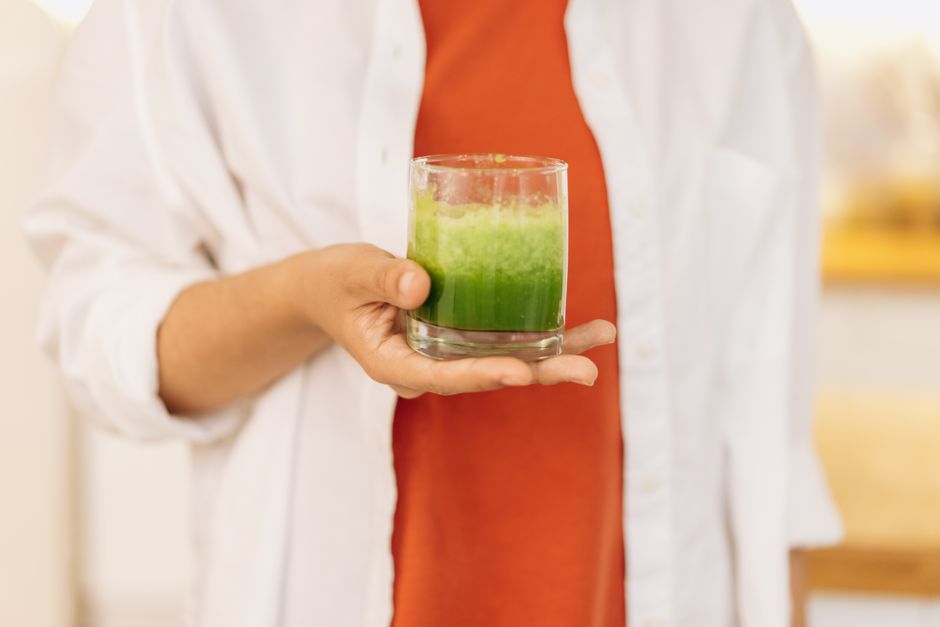
A juice cleanse means drinking only fruit and vegetable juice for a set number of days, usually one to seven, while cutting out solid food. If you try one, expect rapid initial weight loss that is mostly water, possible headaches and fatigue in the first day or two, and hunger that does not fully go away. Most people return to their normal eating patterns afterward, and the weight typically comes back.
That is the honest picture. Juice cleanses are popular, widely marketed, and not supported by strong clinical evidence for the health claims attached to them. This article explains what the experience is actually like, what the research does and does not show, and the risks worth knowing before you start.
What Happens In Your Body During A Juice Cleanse?
Your body already has a detox system, and it does not need juice to run it. The liver, kidneys, lungs, and digestive tract process and remove waste continuously. No juice blend has been shown to speed up or improve that process.
What changes on a cleanse is your energy intake. Most juice-only plans land somewhere between 800 and 1,200 calories a day, depending on how much you drink. That is a sharp drop for most adults. Your body responds by pulling on stored glycogen, the form of carbohydrate kept in your liver and muscles.
Glycogen holds water. As your body burns through it, that water is released and leaves through urine. This is why the scale can drop several pounds in the first few days. It is water weight, not fat loss.
Fiber is the other big change. Juicing removes most of the fiber found in whole produce. Fiber slows digestion, feeds gut bacteria, and helps you feel full. Without it, juice moves through your system quickly, and hunger returns fast even after a large glass.
If you drink a lot of fruit juice, you also take in a concentrated dose of sugar without the fiber that normally blunts its absorption. Some people notice a quick energy spike followed by a crash.
What Does The First Few Days Feel Like?
The first 24 to 48 hours are usually the hardest. Common reports include headache, tiredness, irritability, and difficulty concentrating. These symptoms are consistent with a sudden drop in calories and, for people who normally drink caffeine, caffeine withdrawal.
Hunger is the most predictable part. It tends to ease somewhat after the first couple of days but rarely disappears. Many people describe thinking about food constantly, which is a normal response to a large calorie deficit, not a sign of weakness.
Other things people commonly notice:
- Frequent urination, especially in the first day or two
- Feeling cold, since a large calorie cut can lower body temperature slightly
- Loose stools or changes in bowel habits from the sudden shift in what you are eating
- Lightheadedness when standing up quickly
- Bad breath, which some people get during fasting or very low-carbohydrate intake
Most of these settle within a few days if you continue. That does not mean the cleanse is working. It means your body is adapting to eating far less.
How Much Weight Will You Lose, And Will It Stay Off?
You will likely lose weight quickly at first, and most of it will not be fat. The early drop is water, glycogen, and the physical weight of food no longer sitting in your digestive tract.
Fat loss does happen if you stay in a calorie deficit long enough. But a short cleanse is not long enough to matter much, and the weight usually returns once normal eating resumes. This pattern is well documented with very low-calorie diets generally, not just juice cleanses.
There is a second issue. A juice-only diet is low in protein. Protein helps preserve muscle during weight loss. Losing muscle can slow your resting metabolism over time and make it harder to keep weight off. No study has shown that juice cleanses produce better long-term weight loss than simply eating fewer calories with a normal mixed diet.
Some research does suggest that short periods of calorie restriction can improve certain markers, such as blood sugar or blood pressure, in the short term. The evidence here is limited and mixed, and any benefit appears tied to eating less overall, not to juice specifically.




Are Juice Cleanses Safe?
For many healthy adults, a one to three day juice-only period is unlikely to cause serious harm. That is not the same as saying it is safe for everyone, and it is not the same as saying it is worth doing.
Some groups should not try a juice cleanse without medical supervision, and some should avoid it entirely:
- People with diabetes, especially those on insulin or medications that lower blood sugar. Juice can raise blood sugar quickly, and skipping meals can cause dangerous lows.
- People with kidney disease. Some juices are high in potassium and other minerals the kidneys must regulate.
- People taking blood thinners. Leafy greens and certain juices are high in vitamin K, which affects how these drugs work.
- People with a history of eating disorders. Restrictive eating plans can trigger relapse.
- Pregnant and breastfeeding women. No clinical guidelines support juice cleanses during pregnancy or breastfeeding, and the calorie and nutrient shortfall is a real concern.
- Children and teenagers. Growing bodies have higher nutrient needs, and no guidelines support cleanses for this group.
There is also a medication interaction worth knowing. Grapefruit juice affects how the body breaks down many common drugs, including some statins, blood pressure medicines, and others. If you are on any prescription medication, check with a pharmacist before drinking large amounts of grapefruit juice.
One more point often missed. A cleanse does not remove toxins, because there is no buildup of the kind the marketing implies. Your body handles waste on its own. Claims that a juice plan flushes toxins out are not supported by clinical evidence.
How To Go On A Juice Cleanse What To Expect If You Decide To Try It
This is a personal choice, not medical advice. If you have any health condition or take any medication, talk to your doctor first. With that said, here is what the experience generally involves.
Most people pick a length. One to three days is common. Longer cleanses raise the risk of nutrient gaps, muscle loss, and feeling unwell, and there is no evidence that longer is better.
Most plans involve drinking several juices across the day, often every two to three hours. Many people find it easier to include some vegetables rather than fruit only, since fruit-heavy juices are high in sugar.
Hydration matters. Drink water alongside the juice. Some people add a source of protein or a small amount of solid food to reduce muscle loss and hunger, though that is no longer a strict juice cleanse.
Plan the exit as carefully as the start. Jumping straight back into heavy or rich meals often causes stomach upset. Easing back with simple foods over a day or two tends to go more smoothly.
If you feel faint, confused, or unwell, stop. Those are not signs to push through.
What Are The Alternatives?
If the goal is more vegetables and fruit, you do not need to give up solid food. Eating whole produce gives you the fiber that juicing removes, and it tends to keep you full longer.
If the goal is weight loss, the evidence points to the same basics that have held up for decades: a modest calorie deficit, enough protein, and regular movement. These are not exciting, but they are what the research supports.
If the goal is feeling better day to day, adding one or two servings of vegetables to meals you already eat is a low-risk change with real support behind it. That is a different plan from a cleanse, and for most people it is more sustainable.
Frequently Asked Questions
How long should a juice cleanse last?
Most people choose one to three days, and there is no clinical evidence that longer cleanses work better. Longer periods raise the risk of nutrient gaps and muscle loss.
Do juice cleanses actually detox your body?
No. Your liver and kidneys already remove waste continuously, and no juice has been shown to improve that process. Claims about flushing toxins are not supported by clinical evidence.
How much weight can you lose on a juice cleanse?
You may lose several pounds in the first few days, but most of it is water and glycogen rather than fat. The weight typically returns once normal eating resumes.
Is it safe to do a juice cleanse while pregnant?
No clinical guidelines support juice cleanses during pregnancy or breastfeeding, and the calorie and nutrient shortfall is a genuine concern. Talk to your doctor before making any major change to how you eat.
