
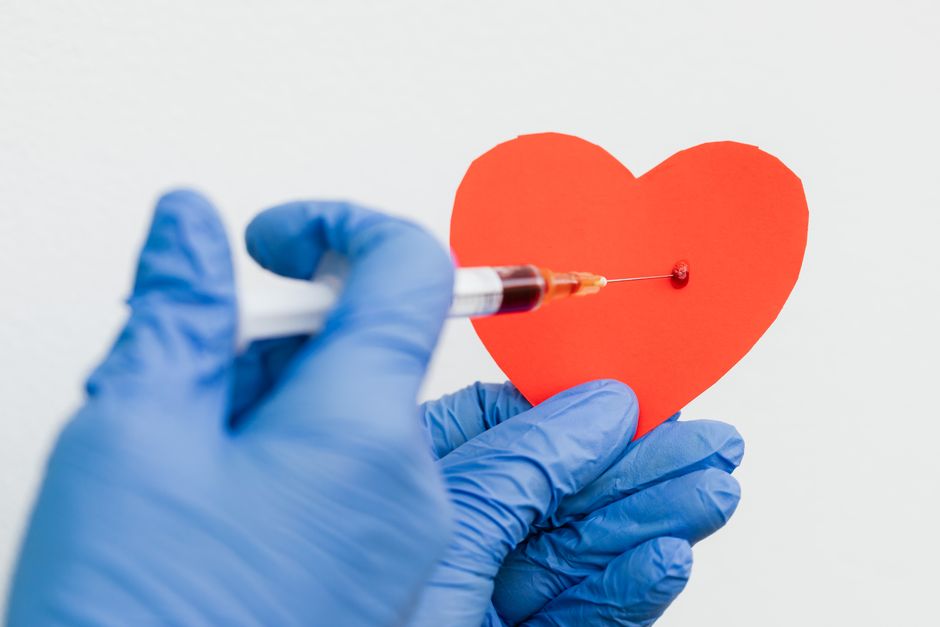
Giving a vitamin B12 injection is a straightforward process, but it requires care and proper technique. The most common method is an intramuscular injection into the upper arm or thigh. You need the right supplies, a clean workspace, and a clear understanding of each step. This guide walks you through the process from start to finish, including how to prepare the injection, where to inject it, and how to dispose of used supplies safely.
What Supplies Do You Need for a B12 Injection?
Before you start, gather everything you need. Having all supplies within reach prevents interruptions and reduces the risk of contamination.
- Vitamin B12 vials (prescribed by your doctor)
- Alcohol swabs
- A new, sterile syringe with an attached needle
- A sharps disposal container
- A bandage or cotton ball
- Soap and water for handwashing
Check the expiration date on the B12 vial before use. Expired medication may be less effective or unsafe. Do not use a vial if the liquid looks cloudy, discolored, or contains particles.
Choose the correct syringe size. Most B12 injections use a 1 mL syringe with a 22 to 25 gauge needle. The needle length depends on the injection site. For the arm, a 1 to 1.5 inch needle is typical. For the thigh, a 1 to 1.5 inch needle also works for most adults. Your healthcare provider should specify the exact size for your prescription.
How Do You Prepare the B12 Injection?
Preparation is where most mistakes happen. Take your time and follow each step in order.
First, wash your hands thoroughly with soap and warm water for at least 20 seconds. Dry them with a clean towel. Find a clean, flat surface like a kitchen counter or table. Wipe the surface with an alcohol swab if it looks dirty.
Remove the plastic cap from the B12 vial. Clean the rubber stopper on top of the vial with a fresh alcohol swab. Let it air dry for a few seconds. Do not blow on it or wave it dry.
Remove the syringe from its packaging. Keep the cap on the needle while you do this. Pull back the plunger to draw air into the syringe equal to the amount of B12 you need. For example, if your dose is 1 mL, draw 1 mL of air.
Insert the needle straight through the center of the rubber stopper. Push the plunger down to inject the air into the vial. This equalizes pressure and makes drawing the liquid easier.
Turn the vial upside down. Keep the needle inside the vial. Make sure the needle tip is below the liquid surface. Slowly pull back the plunger to draw the correct dose of B12 into the syringe. Tap the syringe gently to bring any air bubbles to the top. Push the plunger slightly to push the air bubbles back into the vial. Check that you have the exact dose.
Remove the needle from the vial. Keep the needle cap on until you are ready to inject. Place the filled syringe on your clean surface.
Where Should You Inject Vitamin B12?
The two most common injection sites are the outer upper arm and the outer middle thigh. Both are easy to reach and have enough muscle tissue for absorption.
For the upper arm, the injection goes into the deltoid muscle. This is the rounded muscle at the top of the arm. To find the exact spot, feel for the bony point at the top of your shoulder. The injection site is about two to three finger widths below that point, on the outer side of the arm.
For the thigh, the injection goes into the vastus lateralis muscle. This is the outer middle part of the thigh. Imagine dividing your thigh into thirds from hip to knee. The injection goes in the middle third, on the outer side. This site is often easier for self-injection because you can see it clearly and reach it comfortably.
Some people inject into the buttock, but this is harder to reach on yourself. The upper arm and thigh are the safest and most practical options for self-administration.




How Do You Administer the Injection Step by Step?
Clean the injection site with a fresh alcohol swab. Use a circular motion starting at the center and moving outward. Let the area air dry completely. Alcohol left on the skin can sting when the needle goes in.
Remove the needle cap. Hold the syringe like a dart in your dominant hand. Use your other hand to gently stretch the skin flat at the injection site. This is called the Z-track method, but for B12 injections, simply pinching a small area of skin and muscle is acceptable.
Insert the needle at a 90-degree angle. That means straight up and down, perpendicular to the skin. Push the needle in with one smooth motion. It should go in quickly and cleanly. You may feel a brief pinch.
Once the needle is fully inserted, pull back slightly on the plunger. This is called aspiration. If blood appears in the syringe, you have hit a blood vessel. Remove the needle, discard everything, and start over with fresh supplies. If no blood appears, it is safe to continue.
Slowly push the plunger down to inject the B12. Take about 5 to 10 seconds to push the full dose. Injecting too fast can cause pain and swelling at the site.
When the syringe is empty, remove the needle at the same angle you inserted it. Immediately press a clean cotton ball or bandage over the injection site. Hold pressure for a few seconds. Do not rub the area. Rubbing can push the medication out of the muscle and cause bruising.
How Do You Dispose of Used Syringes Safely?
Never throw used needles in the regular trash or recycling. Used needles can injure sanitation workers and spread infection. They must go in a sharps container.
A sharps container is a puncture-resistant, leak-proof container with a tight lid. You can buy one at a pharmacy or online. If you do not have one, a heavy-duty plastic laundry detergent bottle with a screw cap can work temporarily. Do not use glass or thin plastic containers.
Immediately after the injection, place the used syringe and needle into the sharps container. Do not recap the needle. Recapping increases the risk of accidental needle sticks. If the needle has a safety device, activate it before disposal.
When the container is three-quarters full, seal the lid tightly. Check with your local pharmacy or health department about disposal drop-off locations. Many pharmacies accept used sharps. Some communities have mail-back programs.
What Are the Common Mistakes to Avoid?
Several mistakes can turn a simple injection into a painful or unsafe event.
Using a needle more than once is never acceptable. Needles are single-use only. Reusing a needle can cause infection, tissue damage, and dull the needle tip, making the next injection more painful.
Injecting into the wrong spot can cause nerve damage. The sciatic nerve runs through the buttock, which is why self-injection in that area is risky. Stick to the upper arm or thigh where the anatomy is simpler.
Not rotating injection sites can cause hard lumps or scar tissue. If you inject in the same spot every time, the muscle tissue can become irritated. Alternate between your left and right arm or thigh. Track your injection sites in a notebook or on your phone.
Injecting too quickly causes pain. Take your time with the plunger. Slow and steady is the goal.
Forgetting to check the dose is another common error. Always double-check the amount of B12 in the syringe before injecting. If you are unsure, start over with a fresh draw.
When Should You Call a Doctor?
Most B12 injections go smoothly, but complications can happen. Know the warning signs.
Call your doctor if you experience severe pain at the injection site that does not improve, redness or swelling that spreads, warmth around the injection site, or a fever. These can be signs of infection.
Numbness, tingling, or weakness in the arm or leg after an injection may indicate nerve irritation. This is uncommon but requires medical attention.
If you accidentally inject into a blood vessel, you may feel a metallic taste, dizziness, or a rapid heartbeat. This is rare. If it happens, sit down and contact your doctor.
Allergic reactions to B12 are rare but possible. Symptoms include hives, difficulty breathing, swelling of the face or lips, and a rapid pulse. This is a medical emergency. Call 911 immediately.
If you miss a dose, do not double up. Take your next scheduled dose as normal. Contact your doctor if you have questions about your schedule.
How Do You Store Vitamin B12 Vials?
Proper storage keeps your B12 effective and safe. Most B12 vials should be stored in the refrigerator, but check the label on your specific prescription. Some formulations are stable at room temperature.
Keep the vial in its original box to protect it from light. Do not freeze B12. Freezing can damage the medication. Keep the vial away from heat sources like stoves, radiators, or direct sunlight.
Once a vial is opened, it has a limited shelf life. Most multidose vials are good for 28 days after the first puncture. Write the date you opened the vial on the label. Discard any remaining medication after that time.
Frequently Asked Questions
How often should I take a vitamin B12 injection?
Your doctor determines your injection schedule based on your condition and blood test results. Common schedules range from once a week to once a month, but never change your schedule without medical guidance.
Can I give myself a B12 injection?
Yes, many people self-administer B12 injections at home after receiving proper training from a healthcare provider. You must be comfortable with the technique and have a safe disposal system in place.
Does a B12 injection hurt?
Most people feel a brief pinch when the needle enters the skin. The discomfort is usually mild and lasts only a few seconds. Injecting slowly and using a fresh needle reduces pain.
What happens if I inject B12 into a blood vessel?
You may notice blood in the syringe when you pull back on the plunger. If this happens, remove the needle, discard the syringe, and start over with fresh supplies. Do not inject the B12.
