
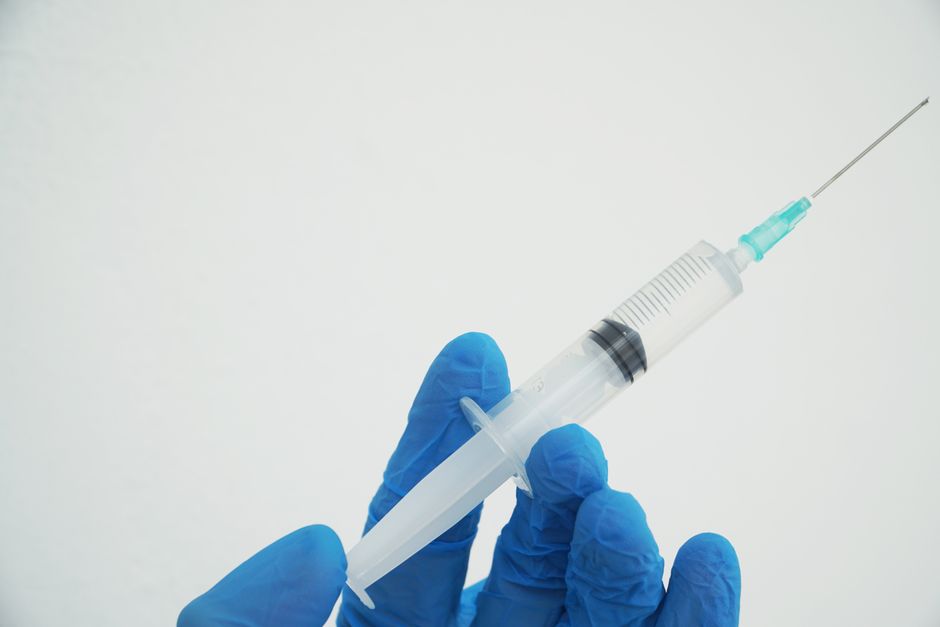
Giving an intramuscular injection means placing medication deep into a muscle, usually in the upper outer arm, the outer thigh, or the upper outer buttock. The technique is straightforward but unforgiving of shortcuts: the right site, the right needle length, clean technique, and a steady hand matter more than speed. This guide covers the steps clinicians use, the mistakes that cause most problems, and the situations where a person should not attempt the injection at home.
How To Give Injection Intramuscular: Step By Step
Prepare everything before the needle touches skin. Once the injection starts, you should not be rummaging for supplies.
Wash your hands thoroughly with soap and water and dry them. Lay out the medication, the correct needle and syringe, alcohol pads, gauze, and a sharps container within reach. Check the medication label: name, dose, and expiration date. If the label does not match the prescription, stop.
If the medication is a suspension or needs mixing, follow the instructions that came with it. Some injectables must be rolled between the palms rather than shaken, because shaking creates bubbles and can damage certain drug formulations. Draw up the dose using aseptic technique: clean the vial top with an alcohol pad, let it dry, and do not touch the needle itself.
Choose and clean the site. Wipe the skin with an alcohol pad and let it dry completely — wiping and immediately injecting pushes alcohol into the tissue and stings. Then:
- Hold the syringe like a dart, between thumb and fingers.
- Insert the needle at a 90-degree angle to the skin, straight in, with a quick firm motion.
- Pull back briefly on the plunger if your clinician has instructed you to check for blood. (Guidance on this step varies by medication and country; follow your specific instructions.)
- Inject slowly. Slow injection reduces pain and helps the medication disperse.
- Withdraw the needle straight out at the same angle it went in.
- Press gauze gently on the site. Do not massage the area unless told to.
- Activate any needle safety device and place the syringe in a sharps container immediately.
Never recap a used needle. Most needlestick injuries in home settings happen during recapping.
Which Muscle Should You Use?
Three sites are standard for intramuscular injection, and each has trade-offs.
The ventrogluteal site — upper outer buttock, roughly where a hand rests on the hip — is widely taught in nursing education as the preferred site for adults because it sits away from major nerves and blood vessels. It requires another person to locate accurately.
The vastus lateralis — the outer middle thigh — is the standard site for infants and young children, and it is also used in adults. It is easy to see and reach, which makes it practical for self-injection.
The deltoid — the upper outer arm, about two to three finger-widths below the bony point of the shoulder — is convenient for small volumes. It is not suitable for larger volumes because the muscle is thin. Injecting too low on the arm risks the radial nerve; injecting too high risks the shoulder joint.
The dorsogluteal site — upper outer quadrant of the buttock — was taught for decades but is used less now. Research has shown the sciatic nerve can lie closer to typical injection points than older anatomy diagrams suggested, and the site carries a higher risk of nerve injury and of injecting into fat rather than muscle in people with more body fat.
How Do You Know the Needle Reaches the Muscle?
Needle length matters as much as site. If the needle is too short, the medication goes into subcutaneous fat instead of muscle, which can change how fast and how completely a drug is absorbed.
General clinical guidance uses needle length based on body weight and injection site. For adults, typical guidance is:
- Deltoid: a 5/8-inch to 1-inch needle for most adults; 1 to 1.5 inches for people with more subcutaneous fat at the site.
- Vastus lateralis and ventrogluteal: 1 to 1.5 inches for most adults, sometimes longer for people with greater body fat.
These are general ranges from clinical guidance, not a prescription for your situation. Your clinician should specify the needle length for your medication and your body. For children and infants, needle length depends on age and site, and no single figure applies — follow the prescribing instructions exactly.
A common misunderstanding: you do not need to bury the needle to the hub. What matters is that the tip reaches muscle tissue. If you are unsure whether your needle is long enough, ask the prescriber or pharmacist before injecting.





What Are the Most Common Mistakes?
Most problems with home intramuscular injections come from a short list of avoidable errors.
Injecting into the wrong spot. The deltoid is the most common site people get wrong. Too low on the arm can irritate the radial nerve; too high can reach the joint. Landmark carefully every time.
Using an alcohol pad and injecting before the skin dries. This causes stinging and can reduce the cleaning effect.
Reusing needles or syringes. A used needle is dull, more painful, and no longer sterile. Reuse also risks infection and needle breakage.
Injecting through clothing. Fabric carries bacteria and makes it impossible to see the site clearly.
Massaging the site afterward. For most medications, rubbing the area is not recommended because it can push medication into surrounding tissue or increase irritation. Some specific drugs have their own instructions — follow those.
Skipping the sharps container. Used needles should go into a proper sharps container or a sturdy, puncture-resistant container with a screw-on lid, never into household trash or a recycling bin.
What Are the Risks and When Should You Get Help?
Intramuscular injections are common and generally well tolerated, but they are not risk-free.
Mild soreness, a small bruise, or a bit of redness at the site for a day or two is common and usually settles on its own. A small lump can form if medication is injected too shallowly or too quickly.
Seek medical attention for signs of infection — increasing redness, warmth, swelling, pus, or fever — or for severe pain that gets worse rather than better. A large, spreading bruise or a hard, painful lump that does not improve should also be checked.
Rare but serious complications include nerve injury (numbness, tingling, or weakness in the limb), abscess, and, very rarely, injection into a blood vessel. If you feel sharp shooting pain, numbness, or tingling during the injection, stop and seek advice.
People who take blood thinners, have bleeding disorders, or have a low platelet count should discuss injection technique with their clinician before self-injecting, because bruising and bleeding at the site are more likely.
Can You Give Yourself an Intramuscular Injection?
Yes, for some medications and sites, and many people do it routinely. Self-injection is most practical in the thigh (vastus lateralis) or, for small volumes, the deltoid with the opposite hand or a self-injection device.
The buttock sites are difficult to reach and easy to landmark incorrectly on yourself, so they are usually done by another person. If you are learning to self-inject, ask your clinician or pharmacist for a hands-on demonstration with a practice pad before your first real injection. Watching a video is not the same as being shown the landmarks on your own body.
Never inject a medication by a different route than prescribed. Some drugs that are given intramuscularly are dangerous if injected into a vein or under the skin. If you are unsure about any step, stop and ask.
How Should You Store and Dispose of Supplies?
Store medication as directed on the label — some injectables need refrigeration, others must stay at room temperature, and some are damaged by light or freezing. Never use a medication that looks discolored or contains particles unless the label says that is normal.
Dispose of used needles and syringes in a sharps container. If you do not have one, a heavy plastic container with a tight lid works as a temporary option. When it is about three-quarters full, seal it and follow your local rules for sharps disposal — many pharmacies and health departments offer drop-off programs. Never flush needles down a toilet or place them loose in the trash.
Frequently Asked Questions
What angle should an intramuscular injection be given at?
Insert the needle at a 90-degree angle to the skin so it goes straight into the muscle. A straight, firm motion is less painful than a slow push.
How long should you wait after cleaning the skin with alcohol?
Let the alcohol dry completely before injecting, which usually takes a few seconds. Injecting while the skin is still wet causes stinging and reduces the cleaning effect.
Is it normal for the injection site to be sore afterward?
Mild soreness or a small bruise for a day or two is common and usually settles on its own. Seek care if you develop spreading redness, warmth, pus, fever, or pain that gets worse.
Can you reuse a needle for an intramuscular injection?
No. A used needle is dull, no longer sterile, and can break or cause infection. Use a new needle and syringe every time and place used ones in a sharps container.
