
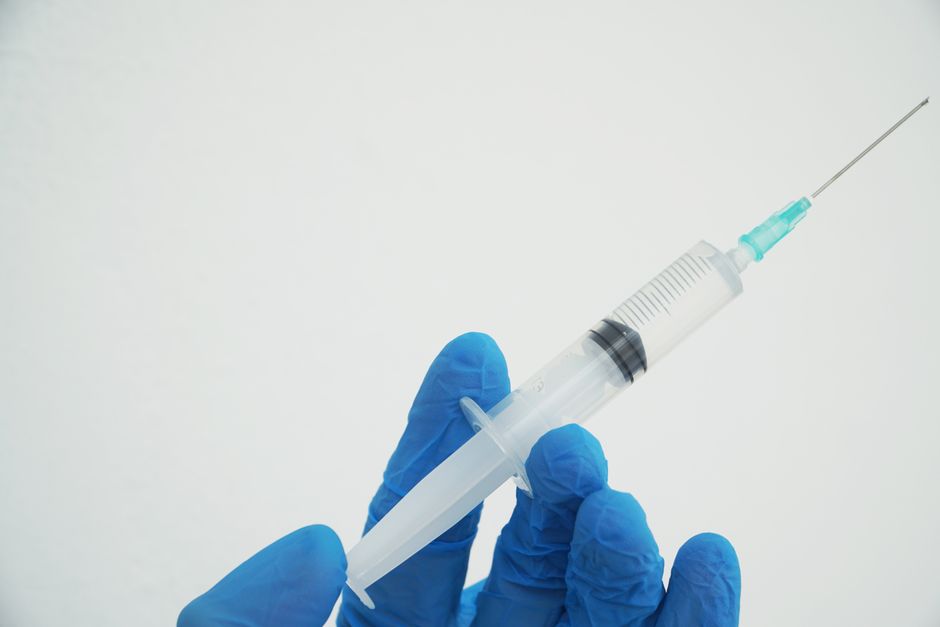
Giving an intramuscular (IM) injection in the buttocks is a skill that requires precision, a steady hand, and strict attention to safety. The correct site is the upper outer quadrant of the gluteal muscle, which is far from the sciatic nerve and major blood vessels. To give the injection, you must locate the correct landmark, clean the skin, insert the needle at a 90-degree angle, and inject slowly. Never attempt this on yourself or another person without proper training from a healthcare professional, as incorrect placement can cause serious nerve damage.
Why Is The Upper Outer Quadrant The Only Safe Spot?
The buttock is not one solid muscle. It is made up of several layers, including the large gluteus maximus and the deeper gluteus medius. The sciatic nerve, which is as thick as a finger, runs directly through the middle of the buttock. If a needle hits this nerve, it can cause severe pain, numbness, or even permanent weakness in the leg.
To avoid this, medical professionals divide the buttock into four imaginary quadrants. They draw an imaginary cross over the buttock, splitting it in half horizontally and vertically. The safe injection site is the upper outer quadrant, furthest from the center of the body. This area is mostly muscle and fat, with no major nerves or arteries.
Do not inject into the lower outer quadrant or anywhere near the center of the buttock. The risk of hitting the sciatic nerve in those areas is significant.
What Supplies Do You Need?
Before you begin, gather all your supplies on a clean, flat surface. You should not have to leave the person to search for items mid-procedure. You will need:
- An alcohol swab or antiseptic wipe
- A sterile needle and syringe with the correct medication
- A new, unused needle for drawing up the medication if the medication vial requires a separate draw needle
- A sharps container for safe needle disposal
- Medical gloves
- An adhesive bandage
Check the medication label three times. Check it when you take it out of the fridge, when you draw it up, and again before you inject. Confirm you have the right drug, the right dose, and the right person. If the medication looks cloudy, discolored, or has particles in it, do not use it.
How Do You Find The Injection Site?
Have the person lie on their stomach or side. Lying down relaxes the gluteal muscle, which makes the injection less painful and less likely to hit a tense muscle.
Find the top of the buttock crease and the side of the hip bone. You are looking for the upper outer quadrant. One common method is to place your hand on the person’s hip with your fingers pointing toward their head. Your index finger should be on the anterior superior iliac spine, which is the bony point at the front of the hip. Your thumb points toward the person’s navel. The injection site is in the middle of the triangle formed between your index finger and thumb.
A simpler method is to draw an imaginary line from the top of the buttock crease to the side of the hip. Inject into the upper outer portion of that area, about two to three inches below the hip bone. When in doubt, mark the spot with a pen before you pick up the needle.
How Do You Prepare The Skin And The Syringe?
Put on your gloves. Clean the injection site with an alcohol swab. Use a firm, circular motion starting at the center and moving outward. Let the alcohol dry completely. Injecting through wet alcohol stings and can pull bacteria into the skin.
If you are drawing medication from a vial, wipe the rubber top of the vial with a fresh alcohol swab. Draw air into the syringe equal to the dose you need. Push the air into the vial, turn the vial upside down, and withdraw the correct amount of medication. Tap the syringe to move any air bubbles to the top, then push them out. You should see a tiny drop of medication at the needle tip.
If you are using a pre-filled syringe, remove the cap and gently push out any air bubbles. Never touch the needle or let it touch any surface.
How Do You Insert The Needle And Inject?
Hold the syringe like a dart. Use your dominant hand. With your other hand, stretch the skin at the injection site tight between two fingers. This is called the Z-track method when you pull the skin to the side, but for a basic IM injection, simply stretching the skin flat is sufficient.
Insert the needle straight down at a 90-degree angle to the skin. A quick, smooth motion is less painful than a slow push. The needle should go in completely, all the way to the hub.
Once the needle is in, pull back gently on the plunger. This is called aspiration. If blood appears in the syringe, you have hit a blood vessel. Withdraw the needle and start over with a new needle, syringe, and medication. If no blood appears, push the plunger down slowly and steadily. Injecting too fast causes pain and can damage the muscle tissue.
After the medication is fully injected, wait a few seconds before pulling the needle out. This allows the medication to disperse and reduces leakage. Remove the needle at the same 90-degree angle you inserted it. Immediately press a dry gauze pad or cotton ball over the site. Do not rub the site. Rubbing can bruise the tissue.
What Should You Do After The Injection?
Apply gentle pressure with the gauze for a few seconds. Then apply the adhesive bandage. Dispose of the needle and syringe immediately in a sharps container. Never recap the needle. Never bend or break the needle. Never throw a used needle in the regular trash.
If you do not have a sharps container, use a heavy-duty plastic laundry detergent bottle with a screw-on lid. Label it clearly and check with your local pharmacy or health department about safe disposal programs.
Watch the person for a few minutes after the injection. Most reactions, if they happen, occur quickly. Redness, swelling, or pain at the site is common and usually resolves within a day or two. You can apply a cold pack to the area for 10 minutes to reduce soreness.
What Are The Risks And Complications?
An IM injection in the buttock is a common procedure, but it is not without risk. The most serious risk is sciatic nerve injury, which can cause foot drop, weakness, or chronic pain. This happens when the injection is given too low, too far inward, or too deep.
Infection is another risk. This is why the skin must be cleaned thoroughly and the needle must remain sterile. Signs of infection include increasing redness, warmth, swelling, pus, or fever. These symptoms require medical attention.
Some medications can cause a local reaction, such as a hard lump or a rash. If the person develops hives, difficulty breathing, or swelling of the face or throat, call emergency services immediately. These are signs of an allergic reaction.
If you hit a blood vessel, you may see blood in the syringe during aspiration. This is not a medical emergency, but you must withdraw and start over with a fresh setup. The medication should never be injected into a blood vessel.
Can You Give Yourself This Injection?
Self-administration of a gluteal IM injection is extremely difficult and not recommended. The angle required to reach the upper outer quadrant is nearly impossible to achieve on your own body. If you must self-inject, your healthcare provider will likely recommend a different site, such as the thigh or the abdomen.
If you are caring for someone at home, ask a nurse to demonstrate the technique first. Practice on an injection pad if one is available. The first few injections should be supervised by a professional. Do not rely on written instructions alone for your first attempt.
Frequently Asked Questions
What happens if I hit the sciatic nerve?
Hitting the sciatic nerve causes immediate sharp pain, often described as an electric shock down the leg. You must withdraw the needle immediately and seek medical evaluation, as nerve damage can be permanent.
How deep should the needle go in the buttock?
The needle must go in deep enough to reach the muscle, which is typically 1 to 1.5 inches below the skin surface for most adults. Insert the needle all the way to the hub to ensure the medication reaches the muscle.
Can I use the same needle to draw and inject medication?
Using the same needle to draw medication and inject is acceptable, but a fresh needle is preferred. Drawing from a vial can dull the needle tip, making the injection more painful.
