
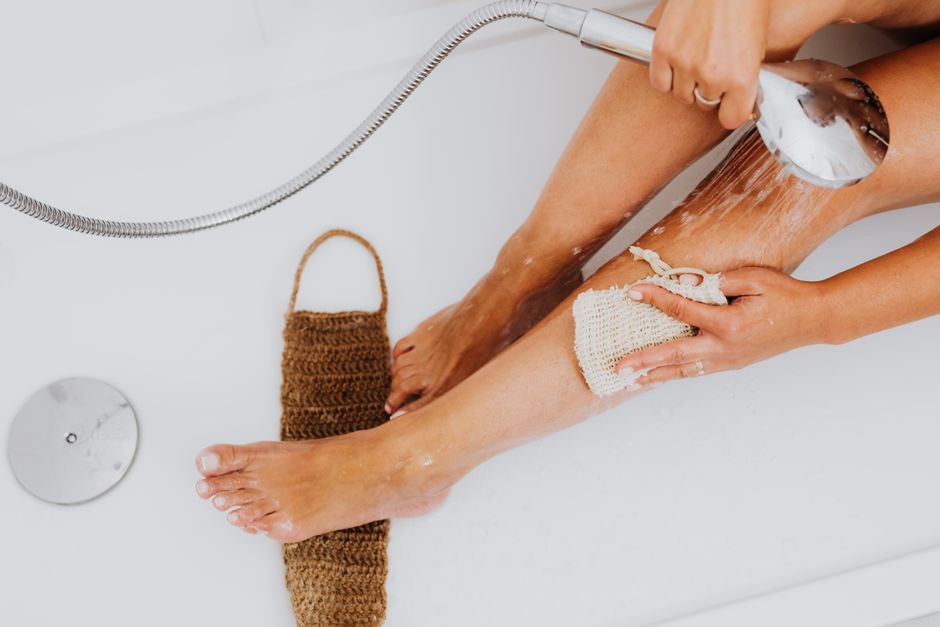
A sponge bath is a way to clean someone who cannot safely get into a tub or shower. You wash the body in sections using a basin of warm water, a few soft cloths, and a mild soap, keeping the person covered for warmth and privacy throughout. Done well, it takes about 15 to 30 minutes and leaves the person clean, comfortable, and dignified.
Caregivers often learn this task on the job, with little instruction. That is unfortunate, because a few small habits make the difference between a bath that feels clinical and one that feels caring. This guide covers the practical steps, the safety points that matter most, and the mistakes that are easy to make.
How To Give A Sponge Bath Tips For Caregivers: The Basic Steps
Preparation matters more than technique. Gather everything before you start, because you cannot leave the person alone once you begin, especially if they are at risk of falling.
You will need:
- Two or more soft washcloths, plus a towel for drying
- A basin of warm water — comfortably warm to your inner wrist, not hot
- Mild, fragrance-free soap or a no-rinse cleanser
- Two bath towels, one to cover and one to dry
- Clean clothes and any skincare products the person uses
- Gloves if you may contact body fluids
Test the water temperature on the inside of your wrist. Older adults often have reduced skin sensation, so water that feels mild to you may still be too warm for them. Water that is too hot can burn skin that is thin or fragile.
Work in this general order, washing and drying one area before moving on:
- Face, using water only or a tiny amount of soap
- Neck and ears
- Arms and hands, one at a time
- Chest and abdomen
- Legs and feet
- Back and buttocks
- Genital area last, using a fresh cloth and fresh water
Change the water when it cools or becomes soapy. Keep the person covered with a towel, exposing only the part you are washing. This protects both warmth and dignity.
Why Warmth And Privacy Matter More Than You Think
Older adults lose body heat faster than younger people, and a wet body loses heat quickly. A sponge bath that drags on can leave someone shivering, which is uncomfortable and can be genuinely risky for people with heart or lung conditions.
That is why the cover-and-uncover approach works better than washing everything at once. It also gives the person control over what is exposed and when, which matters when someone has lost independence in other areas.
Privacy is not a soft concern. For many people, needing help with bathing is one of the hardest parts of losing independence. Narrating what you are about to do, asking before you move a towel, and keeping a calm pace all reduce that strain. A blanket or large towel over the parts you are not washing does most of the work.
How Do You Wash The Genital Area Respectfully?
Wash the genital area last, with a clean cloth and fresh water. This order prevents spreading bacteria from that area to the face or any open skin.
For women, wipe from front to back. This direction reduces the chance of moving bacteria from the rectum toward the urethra, which is a common cause of urinary tract infections. For men, gently clean the penis and scrotum, and if the man is uncircumcised, retract the foreskin only as far as it moves easily, clean underneath, then replace it. If the foreskin does not move easily, leave it alone and mention it to a clinician.
Use plain water or a very mild cleanser. Scented soaps and harsh products can irritate sensitive tissue. Pat dry rather than rub.
If the person has an indwelling urinary catheter, follow the cleaning instructions given by their care team. Do not tug on the tubing. If you see redness, discharge, or a change in urine odor or color, that is worth a call to a nurse or doctor rather than something to manage on your own.




Skin Care Between Baths
Skin health is a large part of why bathing matters for people who are immobile. Prolonged pressure on the same spot, moisture, and friction are the main forces behind pressure injuries, which can develop quickly in people who cannot reposition themselves.
After the bath, check the skin for red areas that do not fade when pressed, especially over the heels, tailbone, hips, and shoulder blades. Report any that you find. A sponge bath is a good opportunity to look, because you are already seeing the whole body.
Dry thoroughly in skin folds — under the breasts, in the groin, between toes. Trapped moisture softens skin and makes breakdown more likely. A light, fragrance-free moisturizer on dry areas helps, but avoid massaging directly over red or bony areas.
If the person wears incontinence briefs, change them promptly. Urine and stool left against the skin break it down fast. A barrier cream can help protect the skin, and a clinician can advise on which one fits the situation.
What If The Person Has Dementia Or Resists The Bath?
Resistance is common and usually is not about stubbornness. It can come from fear, confusion about what is happening, pain, or simply feeling cold and exposed.
A few approaches tend to help:
- Bathe at the time of day when the person is usually calmest
- Explain each step in short, simple sentences before you do it
- Keep the room warm and the person covered as much as possible
- Break the bath into parts if a full bath is too much at once
- Offer choices where you can, such as which cloth or which order
If the person becomes distressed or combative, stop and try again later. Forcing a bath risks injury to both of you. Some caregivers find that a partial wash — just the face, hands, and genital area — on difficult days is a reasonable compromise, with a fuller bath on better days.
If resistance is frequent, it is worth raising with the person’s care team. Sometimes an untreated source of pain, such as a sore or a urinary infection, is behind a sudden change in cooperation.
When A Sponge Bath Is Not Enough
A sponge bath cleans the skin but does not remove all bacteria or provide the same cleaning as a shower or tub. For someone who is incontinent, sweating heavily, or has been in bed for a long stretch, a sponge bath may not be sufficient on its own.
Some people can use a shower chair with a handheld sprayer, which is safer and more thorough than a sponge bath for those who can sit upright and tolerate it. Others may qualify for a bed bath with a rinse-free system. Which option fits depends on the person’s strength, balance, and medical situation, and a nurse or occupational therapist can help assess that.
Watch for signs that something more is going on. New redness, swelling, warmth, or pain in the legs, or any break in the skin that is not healing, deserves medical attention. So does a fever, confusion that is new, or a sudden change in how the person feels.
One thing worth saying plainly: a sponge bath is a clinical task, but it is also a moment of contact. Done slowly and with attention, it can be one of the more human parts of a caregiving day. Rushing it rarely saves time and often costs comfort.
Frequently Asked Questions
How often should a sponge bath be given?
There is no single schedule that fits everyone. Many caregivers bathe the person daily or every other day, depending on how much they sweat, whether they are incontinent, and how the skin is holding up.
What water temperature is safe for a sponge bath?
Use warm water that feels comfortable on the inside of your wrist. Because older adults may have reduced skin sensation, test the water yourself rather than relying on the person to tell you it is too hot.
Can I give a sponge bath to someone with a catheter or wound?
Yes, but follow the specific cleaning instructions from the person’s care team. Keep the area clean and dry, do not pull on tubing or dressings, and report any redness, drainage, or odor.
What should I do if the person refuses a bath?
Do not force it. Try again later, keep the room warm, and explain each step simply. If refusal happens often, ask the person’s care team whether pain or another medical issue is behind it.
