
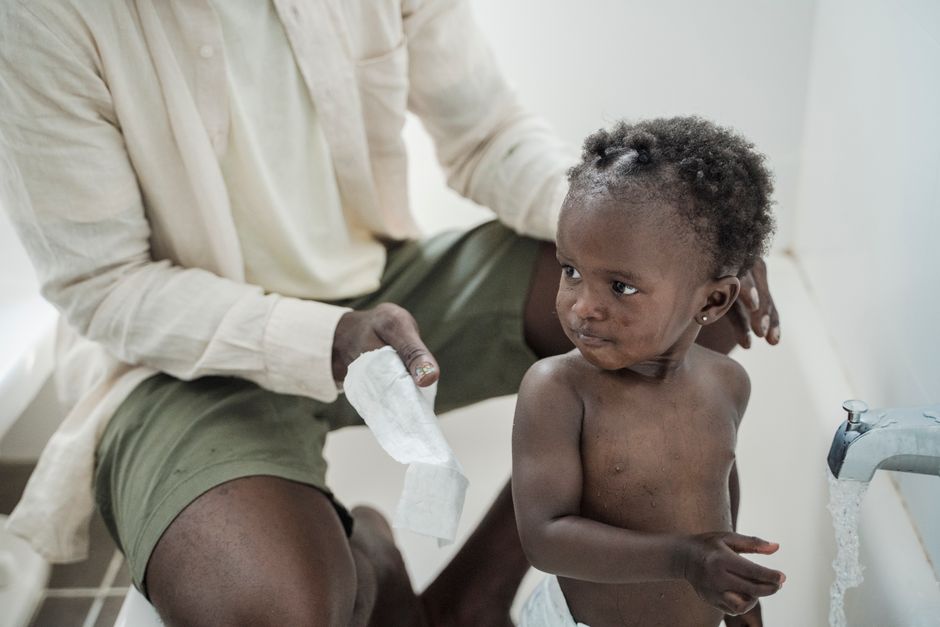
Giving a baby a bath comes down to a few basics: a warm room, water that sits around 100°F (about 37–38°C), a firm hold on your baby at all times, and never leaving them alone in the water for even a second. You do not need much equipment — a clean basin or baby tub, a soft washcloth, mild fragrance-free soap, and a hooded towel will do. Most newborns only need a sponge bath until their umbilical cord stump falls off and any circumcision has healed, and after that, two to three baths a week is plenty for most babies.
How often should you bathe a newborn?
Newborns do not get dirty the way older children do. Two to three baths a week is enough for most babies. More frequent bathing can dry out their skin, especially in babies prone to eczema.
Daily baths are not harmful for every baby, and some parents find a nightly bath helps with a bedtime routine. If you do bathe daily, keep the water lukewarm, use a gentle fragrance-free cleanser, and apply a plain moisturizer afterward. Watch your baby’s skin — if it looks dry, flaky, or irritated, cut back.
The face, neck folds, hands, and diaper area need daily cleaning regardless of how often you do a full bath. Milk and drool collect in neck creases and can cause irritation if left there.
What do you need before you start?
Gather everything within arm’s reach before your baby touches the water. The single most important rule of baby bathing is that you never leave your baby alone in or near water — not to grab a towel, not to answer the door, not for any reason.
If you must step away, wrap your baby in a towel and take them with you.
Have these items ready:
- A baby tub, clean plastic basin, or a sink lined with a towel
- Two washcloths — one for the face, one for the body
- Mild, fragrance-free baby soap or body wash
- Fragrance-free baby shampoo
- A hooded towel
- A fresh diaper and clean clothes
- A soft brush or comb
- Cotton balls or a soft cloth for the eyes and face
- Any ointment or cream your pediatrician has recommended
Skip the bath accessories that are not necessary. Bath seats and rings are not safety devices, and the American Academy of Pediatrics advises against using them because they give parents a false sense of security. A firm hand is the only support a baby needs.
How do you prepare the water and the room?
Set the room temperature so it feels warm to you in short sleeves — usually around 75°F (about 24°C). Babies lose heat quickly, especially from their heads, and a chilly room can turn a bath into an unpleasant experience fast.
Fill the tub with 2 to 3 inches of water. Test the temperature with your wrist or inner forearm, not your hand. Your hand is less sensitive to heat. The water should feel comfortably warm, not hot. A bath thermometer is a reliable option if you want to be sure — the target is about 100°F (37–38°C).
Never add water while your baby is in the tub. If the water cools, take your baby out first, then adjust.
Keep the water shallow. Babies can drown in less than an inch of water, and drowning can happen silently and within seconds. This is why the “never leave them alone” rule is absolute.
How To Give A Baby A Bath, Step By Step
Work from cleanest to dirtiest. Start with the face, finish with the diaper area. This order keeps germs from the bottom from spreading to the eyes and mouth.
Step 1: Undress and wrap. Undress your baby and wrap them in a towel, leaving the face and head exposed. This keeps them warm while you begin.
Step 2: Clean the face first. Dip a washcloth in plain warm water — no soap. Wipe each eye from the inner corner outward, using a fresh corner of the cloth for each eye. Wipe the face and behind the ears. Do not put anything inside the ear canal.
Step 3: Wash the hair. Hold your baby under the arm with their head supported over the tub, or cradle their head in your hand. Wet the hair, add a small amount of baby shampoo, and massage gently. Rinse by squeezing water over the head, keeping one hand across the forehead to keep soap out of the eyes. If your baby has cradle cap, a soft brush can help loosen the flakes — but do not pick at them.
Step 4: Lower your baby into the water. Support the head and neck with one arm. Use your free hand to wash. Keep your baby’s head above water at all times.
Step 5: Wash the body. Use a small amount of mild soap and a washcloth. Pay attention to the folds — under the arms, around the neck, behind the knees, and in the groin. These areas trap moisture and are easy to miss.
Step 6: Wash the diaper area last. For girls, wipe front to back to reduce the risk of urinary tract infection. For boys, clean the penis and scrotum gently. If your son is uncircumcised, do not force the foreskin back — it separates on its own over time, and pulling it can cause injury.
Step 7: Rinse and lift out. Rinse your baby with clean water. Then slide one hand under the head and neck and the other under the bottom, and lift with both hands. A wet baby is slippery.
Step 8: Dry and dress. Wrap your baby in the hooded towel and pat dry, including the folds. Apply moisturizer or any prescribed cream. Put on a fresh diaper and clothes.
How do you bathe a newborn before the cord falls off?
Until the umbilical cord stump dries up and falls off — usually within the first week or two — give sponge baths instead of tub baths. Keep the stump dry to help it heal and to lower the risk of infection.
Lay your baby on a flat, safe surface with a towel underneath. Keep them warm by exposing only one area at a time. Wash, rinse, and dry each section before moving on.
The same approach applies after a circumcision, until the area has healed. Your pediatrician can tell you when it is safe to start tub baths.
Once the stump is gone, you can move to a baby tub or a sink. The sink works well for small babies — line it with a towel for comfort and to keep them from sliding.
What temperature is safe, and what about soap?
Water around 100°F (37–38°C) is the target for a baby bath. Hot water can scald a baby’s thinner, more sensitive skin faster than an adult’s, so test it every time. Never rely on memory.
For soap, choose a mild, fragrance-free cleanser. Fragrances and dyes are common causes of skin irritation in babies. You do not need much — a small amount is enough. Most of the body only needs water.
Some points worth knowing:
- Plain water is fine for the face and most of the body.
- Use soap mainly on the diaper area, hands, and feet.
- Baby wipes are not a substitute for a bath, but they work for quick cleanups between baths.
- Do not use adult soaps, bubble baths, or heavily scented products on a newborn.
What are the main safety risks?
Drowning is the most serious risk, and it can happen in water shallow enough to seem harmless. A baby cannot lift their head or right themselves. Never leave your baby alone in the tub, even for a moment.
Other risks to keep in mind:
- Scalding. Always test the water. Never add hot water while your baby is in the tub.
- Slips. Wet babies are slippery. Support the head and neck with one hand and keep a firm grip.
- Chilling. Babies lose heat quickly. Keep the room warm and have the towel ready.
- Falls. Never place a baby tub on a high surface where it could tip. The floor or a low, stable surface is safer.
- Water in the ears. A little water in the ear is usually not a problem. Do not insert anything into the ear canal to dry it.
If your baby has a medical condition, a feeding tube, or a healing surgical site, ask your pediatrician for specific bathing instructions. General advice does not always fit every situation.
When should you call the doctor?
Call your pediatrician if you notice signs of infection around the umbilical stump — redness, swelling, a foul smell, or discharge — or if the area is painful to touch. These can signal a problem that needs treatment.
Also call if your baby develops a rash that spreads, blisters, or does not improve with gentle care. Skin problems in newborns can have several causes, and a doctor is the right person to sort out which one applies.
Trust your instincts. If something seems wrong, it is reasonable to call.
Frequently Asked Questions
How often should I bathe my newborn?
Two to three times a week is enough for most newborns. More frequent bathing can dry out their skin, so clean the face, neck, and diaper area daily and do full baths less often.
What temperature should bath water be for a baby?
Aim for about 100°F (37–38°C) and test it with your wrist or inner forearm. Water should feel comfortably warm, never hot.
Can I bathe my newborn before the umbilical cord falls off?
No — give sponge baths until the stump falls off and the area heals. Keeping the stump dry helps prevent infection.
Can I leave my baby alone in the bath for a second?
No. Babies can drown in less than an inch of water, and it can happen silently within seconds. If you must step away, wrap your baby in a towel and take them with you.
