
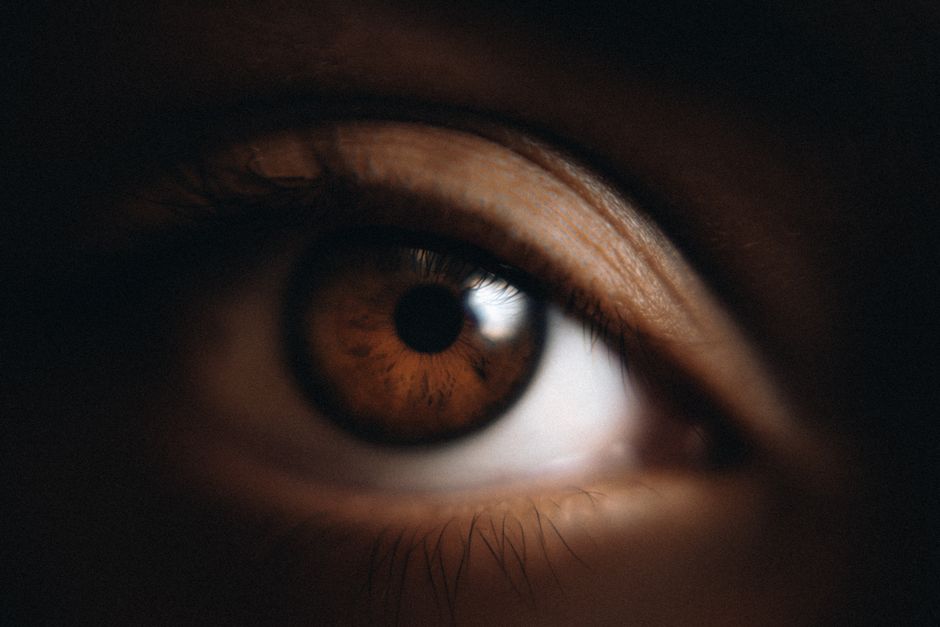
Most people want better vision, and most of what they hear about getting it is wrong. Eye exercises will not fix your glasses prescription. Eating carrots will not give you perfect sight. But that does not mean you are stuck with the vision you have. Some things genuinely help protect your eyes and slow down the damage that comes with age. The truth is that improving vision depends entirely on what is causing the problem in the first place. For some people, that means changing daily habits. For others, it means surgery. For most, it means protecting what you have before it gets worse.
What Actually Causes Vision To Decline?
Vision problems fall into two broad categories. The first is refractive error. This is when the shape of your eye prevents light from focusing directly on the retina. Nearsightedness, farsightedness, and astigmatism all fall into this group. These are structural issues. No exercise, diet, or supplement changes the physical shape of your eye.
The second category is eye disease. Glaucoma, cataracts, and age-related macular degeneration are the big ones. These are medical conditions that damage specific parts of the eye. They are not caused by reading in dim light or staring at screens. Genetics, age, blood pressure, and blood sugar play much larger roles.
Understanding which category you fall into matters. It determines what will actually help. A person with cataracts needs surgery. A person with dry eyes needs a different approach entirely. There is no single answer for everyone.
How To Get Your Vision Better What Really Works
The most honest answer is that you cannot improve refractive error without correction. Glasses, contact lenses, and laser surgery are the only options that change how clearly you see if your eye shape is the problem. These are not cures. They are corrections. But they work well and they are safe when done properly.
For eye diseases, the picture is different. Some conditions can be slowed or stopped. Glaucoma damage cannot be reversed, but pressure-lowering eye drops can prevent further loss. Macular degeneration has treatments that work best when started early. Cataracts are the one major eye condition where surgery routinely restores vision to near-normal levels.
The uncomfortable truth is that most natural methods marketed for vision improvement have no solid evidence behind them. Vision therapy helps with specific conditions like lazy eye in children or convergence insufficiency. It does not help adults with normal refractive error see better.
Does Looking At Screens All Day Damage Your Eyes?
Digital screens do not cause permanent eye damage. This is one of the most common fears and one of the most common myths. What screens do cause is eye strain. The medical term is asthenopia. Symptoms include tired eyes, headaches, blurry vision that comes and goes, and dry eyes.
The reason screens cause strain is that people blink less when focusing on them. Blinking spreads tears across the eye. Fewer blinks mean drier eyes. Dry eyes feel gritty and can make vision temporarily blurry. This is uncomfortable but not permanent.
The 20-20-20 rule helps. Every 20 minutes, look at something 20 feet away for 20 seconds. This gives your focusing muscles a break. It does not improve your vision permanently. It reduces the temporary discomfort that screens cause.


Can Diet And Supplements Improve Eyesight?
Diet affects eye health, but not in the way supplement companies want you to believe. No food or supplement improves vision in a healthy eye. What diet does do is reduce the risk of developing certain eye diseases later in life.
The strongest evidence involves age-related macular degeneration. The Age-Related Eye Disease Studies, known as AREDS and AREDS2, found that a specific combination of antioxidants slowed the progression of moderate macular degeneration. The formula includes vitamin C, vitamin E, zinc, copper, lutein, and zeaxanthin. This is not a general vision supplement. It is a specific treatment for a specific condition.
For people without macular degeneration, these supplements have not been shown to improve vision or prevent the disease from starting. Taking them anyway is probably harmless for most people, but it is not evidence-based prevention.
Foods rich in lutein and zeaxanthin, like leafy greens and eggs, are associated with lower risk of macular degeneration in observational studies. This is a reasonable dietary choice. It is not a guarantee.
Do Eye Exercises Work?
Eye exercises do not reduce the need for glasses in adults. There is no credible evidence that they change the shape of the eye or the focusing power of the lens. Claims that eye exercises can cure myopia have been around for over a century. They have never survived rigorous testing.
Vision therapy is different from casual eye exercises. It is a structured program supervised by optometrists or ophthalmologists. It is effective for specific conditions. These include convergence insufficiency, where the eyes struggle to work together for near tasks, and some types of lazy eye in children. If you have normal binocular vision, vision therapy offers no benefit.
Be wary of online programs promising to eliminate glasses. They often sell expensive courses and equipment. The underlying claims do not hold up when examined closely.
What About LASIK And Other Surgery?
Laser eye surgery is the only method that permanently changes how well you see without glasses or contacts. LASIK and PRK reshape the cornea so light focuses correctly on the retina. For the right candidate, results are excellent. Most people achieve 20/20 vision or better.
Not everyone is a candidate. Thin corneas, severe dry eye, and certain eye diseases rule some people out. The surgery is elective. It carries risks, including dry eyes, glare, halos, and in rare cases, vision loss. These risks are low but real.
The procedure does not prevent age-related vision changes. After age 40, most people develop presbyopia. This is the natural stiffening of the lens that makes reading glasses necessary. LASIK does not stop this. You may need reading glasses years after the surgery even if your distance vision is perfect.
How To Protect Your Vision As You Age
Prevention is where you have the most control. The habits that protect your eyes are the same habits that protect your heart and brain. This is not a coincidence. The blood vessels in your eyes are tiny. They are easily damaged by high blood pressure and high blood sugar.
Control your blood pressure. Uncontrolled hypertension damages the retinal blood vessels. This can lead to vision loss. Keep your blood sugar in a healthy range. Diabetes is a leading cause of blindness in working-age adults. Diabetic retinopathy damages the small blood vessels in the retina.
Wear sunglasses outdoors. Ultraviolet light exposure over decades increases the risk of cataracts and may contribute to macular degeneration. Choose sunglasses that block 99 to 100 percent of UVA and UVB radiation. Darker lenses are not necessarily better. Check the label for UV protection.
Do not smoke. Smoking doubles the risk of macular degeneration and increases cataract risk. The damage is cumulative. Stopping at any age reduces future risk.
When To See An Eye Doctor
Routine eye exams catch problems before you notice symptoms. Glaucoma is the clearest example. It often has no symptoms until significant vision is already lost. By the time you notice problems, the damage is irreversible.
Adults with no risk factors should have a comprehensive eye exam every two years. People with diabetes, high blood pressure, or a family history of glaucoma should go annually. These are general guidelines. Your doctor may recommend a different schedule based on your specific situation.
See an eye doctor immediately if you experience sudden vision loss, flashes of light, a sudden increase in floaters, or a curtain-like shadow over your vision. These can be signs of retinal detachment or other emergencies. Do not wait for an appointment. Go to an emergency room.
What The Evidence Does Not Support
The internet is full of vision cures that do not work. Palming, where you cover your eyes with your hands, does not improve vision. Sun gazing is dangerous and can cause permanent retinal damage. Eye massage does not reduce glaucoma pressure. Special glasses with pinholes do not train your eyes to see better.
No supplement reverses cataracts. No diet eliminates floaters. No exercise cures presbyopia. When a claim sounds too good to be true, it usually is. The eye is a complex organ. Its problems are not solved by simple tricks.
Some research is exploring gene therapy and stem cell treatments for inherited retinal diseases. These are promising but experimental. They are not available to the general public. Any clinic offering them outside of a clinical trial should be treated with suspicion.
Frequently Asked Questions
Can vision be improved naturally without glasses?
No, refractive error cannot be corrected naturally. Glasses, contacts, or surgery are the only ways to change how clearly you see.
Does the 20-20-20 rule actually help your eyes?
It reduces eye strain and discomfort from screen use. It does not permanently improve your vision.
Are eye exercises effective for better vision?
Vision therapy helps specific conditions like convergence insufficiency. Standard eye exercises do not reduce the need for glasses in adults.
What vitamins improve eyesight?
The AREDS2 formula slows progression of moderate macular degeneration. No vitamin improves vision in a healthy eye.
