
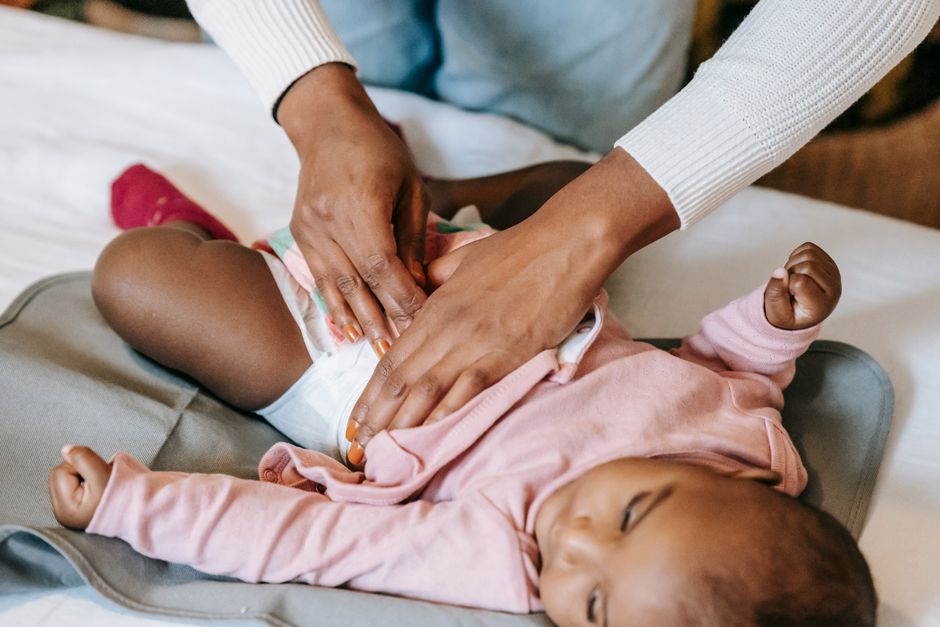
If your toddler needs to pee but won’t, the first step is to stay calm and make the bathroom feel safe and low-pressure. Toddlers hold urine for many reasons — fear, distraction, discomfort, or simply not recognizing the signal yet. Most of the time, a relaxed environment and a little patience are enough to help things along. This guide explains what’s normal, what helps, and when a toddler who won’t urinate needs medical attention.
Why Won’t My Toddler Release Urine?
Toddlers hold urine for reasons that are usually behavioral, not medical. The bladder is a muscle, and urination requires that muscle to relax while the sphincter opens. When a child feels stressed, rushed, or afraid, those muscles can tighten instead.
Common reasons a toddler holds urine include:
- Fear of the toilet, the flush sound, or falling in
- Being in an unfamiliar place or a public restroom
- Pain from a diaper rash or a small sore near the genitals
- Constipation pressing on the bladder
- Not wanting to stop playing
- Discomfort from a urinary tract infection
Constipation is a cause parents often overlook. A full rectum presses against the bladder and can make it hard for a child to fully empty. If your toddler has hard, infrequent stools along with trouble urinating, that connection is worth discussing with a pediatrician.
How To Get Your Toddler To Release Urine
Relaxation is the goal. You cannot force a toddler to urinate, and pressure usually makes holding worse. What helps is reducing the child’s stress and giving the body a chance to let go.
Techniques that many parents and clinicians find useful:
- Warm water on the feet or hands. Running warm water can help some children relax enough to urinate. It is a common trick, though formal studies on it are limited.
- Blowing bubbles or a pinwheel. Deep breathing and blowing relax the pelvic floor, which is the same muscle group involved in urination.
- Sitting comfortably. Make sure feet are supported, not dangling. A small stool under the feet helps many toddlers feel secure.
- Reading a book together. Distraction lowers anxiety. Sit with your child and read calmly for a few minutes.
- Giving privacy and time. Rushing a toddler almost always backfires. Allow several quiet minutes.
- Warm bath. Warm water relaxes muscles. Some toddlers urinate in the bath, which is normal and not a concern.
If your child is clearly uncomfortable and cannot urinate, stop trying and try again later. Repeated failed attempts can build a negative association with the toilet.
Is It Normal for a Toddler to Hold Urine?
Occasional holding is normal, especially during potty training. The ability to coordinate bladder control develops gradually, and most children gain daytime control somewhere between ages 2 and 4. Nighttime control often takes longer.
It helps to understand that a toddler’s bladder signals and their ability to act on them are still developing. A child may not notice a full bladder until it is urgent, then panic or freeze. This is a developmental stage, not defiance.
What is not typical is a child who suddenly stops urinating altogether, strains to go, or shows signs of pain. Those situations need medical evaluation rather than home techniques.





When Should I Worry About My Toddler Not Urinating?
A toddler who has not urinated for a prolonged period, or who shows signs of pain or illness, needs medical attention. Dehydration and urinary tract infections are the main concerns.
Seek medical care if your toddler:
- Has not urinated for many hours, especially if they are also not drinking
- Cries or screams while trying to urinate
- Has fever, vomiting, or unusual sleepiness
- Has blood in the urine or cloudy, strong-smelling urine
- Has lower belly pain or swelling
- Has fewer wet diapers than usual
In infants and very young toddlers, dehydration can develop quickly. Signs include a dry mouth, few or no tears when crying, sunken eyes, and unusual tiredness. These are reasons to contact a doctor right away rather than wait.
What Causes a Toddler to Stop Urinating Suddenly?
A sudden stop in urination usually points to one of a few causes: dehydration, infection, or a blockage. Less often it relates to a structural issue in the urinary tract.
Dehydration is the most common. When a child does not drink enough — because of illness, vomiting, or simply refusing fluids — the body conserves water and urine output drops. The urine that is produced may be dark and concentrated.
A urinary tract infection can also cause a child to hold urine because urinating hurts. The child may associate the toilet with pain and avoid it. Other signs include fever, fussiness, and foul-smelling urine.
Rarely, a physical blockage or a nerve-related condition can prevent normal urination. These are uncommon in toddlers but are part of why persistent problems deserve a doctor’s assessment.
Does Constipation Affect a Toddler’s Ability to Urinate?
Yes. Constipation is one of the most common and most overlooked reasons a toddler struggles to urinate. The rectum sits directly behind the bladder, and when it is full of hard stool, it presses on the bladder and can interfere with emptying.
Children who are constipated may urinate frequently in small amounts, have accidents, or seem unable to fully empty. Treating the constipation often improves the urinary symptoms. This is a well-recognized connection in pediatric care.
If your toddler has hard stools, goes several days between bowel movements, or strains to poop, mention this to your pediatrician alongside the urination concerns. The two are often linked.
How Can I Encourage My Toddler to Drink More Fluids?
Adequate fluids support normal urination, but a toddler who is already holding may resist drinking. Offer fluids in small, frequent amounts rather than large ones.
Ideas that tend to work:
- Offer water in a fun cup or with a straw
- Serve fluids at room temperature if cold drinks are refused
- Include water-rich foods like watermelon, cucumber, and soup
- Offer drinks during play or reading so it feels casual
- Model drinking by having water yourself
Exact fluid needs vary by age, weight, activity, and weather, so no single number fits every toddler. If you are unsure how much your child should be drinking, ask your pediatrician. For a child who is ill or not urinating, fluid guidance should come from a doctor, not a general rule.
What If My Toddler Is Afraid of the Toilet?
Toilet fear is common and can absolutely cause a child to hold urine. The fix is patience and gradual exposure, not forcing.
Steps that can help:
- Let your child sit on the toilet fully clothed at first
- Use a child-size seat reducer so they feel secure
- Add a step stool so feet are supported
- Keep the bathroom calm and unhurried
- Praise any attempt, even if nothing happens
- Never punish accidents or holding
Fear-based holding usually improves with time and a low-pressure approach. If it continues for weeks or causes pain, a pediatrician or a child development specialist can help.
When to Call a Doctor
Trust your instincts. A toddler who is uncomfortable, ill, or not urinating normally should be checked by a doctor. It is better to call and be reassured than to wait on a problem that needs treatment.
Call a pediatrician or seek urgent care if your child has not urinated for many hours, is in pain, has a fever, or shows signs of dehydration. For any toddler who seems seriously unwell, do not delay.
Frequently Asked Questions
How long can a toddler go without peeing?
Most toddlers urinate several times a day, and a gap of many hours without urinating — especially with little drinking — is a reason to call a doctor. There is no single safe number of hours, because it depends on fluid intake and health.
What can I do if my toddler won’t pee right now?
Stay calm, make the bathroom low-pressure, and try relaxation tricks like warm water on the feet or blowing bubbles. If your child is in pain or has not urinated for many hours, contact a doctor instead of continuing at home.
Can constipation stop a toddler from urinating?
Yes, a full rectum can press on the bladder and make it hard to empty. Treating the constipation often improves the urination problem, so mention bowel habits to your pediatrician.
When is not urinating an emergency for a toddler?
No urination for many hours combined with fever, vomiting, belly pain, or signs of dehydration is an emergency. Call your doctor or seek urgent care right away.
