
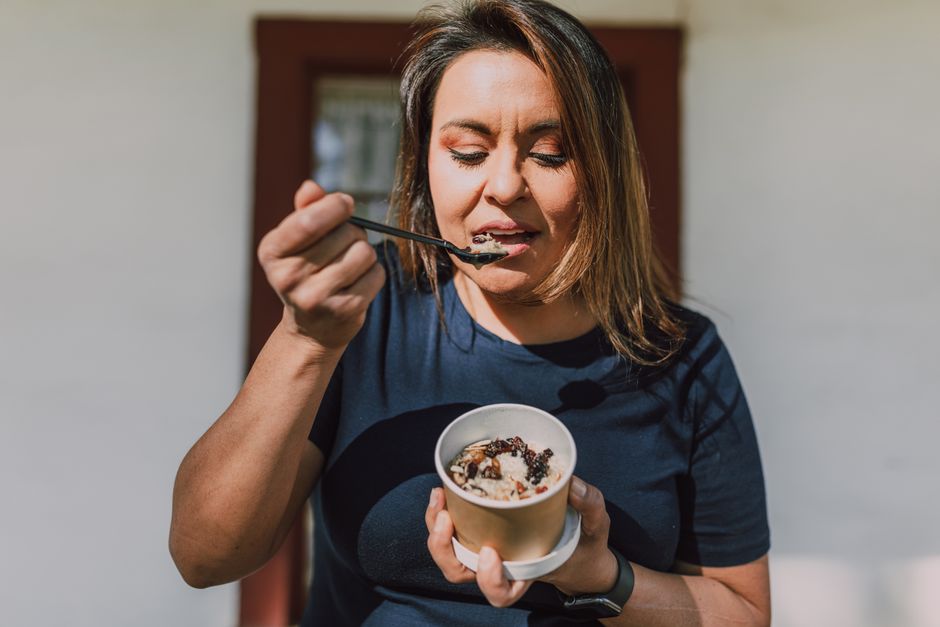
Taste usually comes back on its own within a few weeks after a cold, flu, or other respiratory illness. There is no proven way to speed that recovery up. What you can do is protect your safety, keep eating well, and know when a slow recovery needs a doctor’s look. Most people regain normal taste within one to two weeks, though some notice changes for a month or longer.
The reason is simple. Taste buds themselves are rarely the problem. Illness usually disrupts the smell system, and smell does most of the work behind what you think of as flavor.
Why Does Food Taste Bland After Being Sick?
What most people call “losing taste” is usually a loss of smell. Your tongue detects five basic tastes: sweet, salty, sour, bitter, and umami. Everything else — the specific flavor of coffee, garlic, or chocolate — comes from your nose.
When you chew, aromas travel up the back of your throat to smell receptors. This is called retronasal smell. A blocked nose, swollen nasal tissue, or damage to those receptors after a viral infection cuts off that pathway. Food still registers as sweet or salty, but the flavor is gone.
This distinction matters. If you can still tell sugar from salt, your taste buds are likely working. The problem sits higher up. That changes what might help and what is unlikely to.
How Long Does It Take to Get Taste Back After Illness?
For common colds and flu, smell and taste typically return within one to two weeks as swelling goes down and nasal tissue recovers. That is the usual course.
Viral infections that damage the smell nerves can take longer. Some people report gradual improvement over several weeks to a few months. A smaller group notices lingering changes beyond that.
The evidence here is worth being honest about. Recovery timelines vary widely between individuals, and no treatment has been shown in large trials to reliably shorten them. If you are past a few weeks with no improvement at all, that is a reasonable point to check in with a doctor rather than keep waiting.
What Helps Taste Come Back Faster?
No intervention has strong clinical evidence showing it speeds taste recovery after illness. Some approaches are widely used and low-risk. Others are unproven.
Smell training
Smell training is the most studied approach. It involves sniffing a small set of distinct scents — often lemon, rose, clove, and eucalyptus — twice a day for several weeks. Some studies suggest it supports recovery in people with smell loss, though results vary and it is not a guaranteed fix.
The theory is that repeated exposure helps the smell system rewire. It is low-cost and low-risk, which is why some clinicians recommend it. It is not a fast fix. Think weeks, not days.
Treating the underlying cause
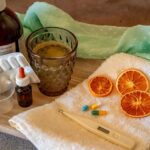
If a blocked or runny nose is the main issue, calming that congestion may help flavor return. Saline rinses are safe and widely used. Decongestant sprays should not be used for more than a few days in a row, because longer use can cause rebound congestion.
If allergies are keeping your nose congested, addressing them may restore smell. That is a conversation for your doctor or pharmacist.
What does not have good evidence
Zinc supplements are often marketed for taste and smell recovery. The evidence is limited and mixed. Zinc can also interfere with copper absorption and cause side effects at high doses, so it is not something to take casually.
There is no strong evidence that spicy foods, hot peppers, or specific vitamins restore taste faster. They may make eating more interesting, but that is different from speeding recovery.



How Can You Make Food Taste Better While You Heal?
You cannot force flavor back, but you can make meals more appealing in the meantime. The goal is staying nourished while your smell system recovers.
- Lean on texture. Crunch, creaminess, and temperature still register when flavor is muted. A crisp salad or a warm soup can feel more satisfying than a bland soft meal.
- Use strong flavors. Vinegar, citrus, herbs, and spices may come through even when subtle flavors do not.
- Try new foods. If a favorite dish now tastes flat, it can be disappointing. A food you have less attachment to may bother you less.
- Eat with others when you can. Meals are social, and company can make eating easier when appetite is low.
- Keep meals small and frequent if your appetite has dropped.
One thing worth knowing: some people find certain foods now smell or taste distorted rather than just weak. This is called parosmia, and it is common after viral illness. Coffee, meat, and onions are frequent triggers. It usually improves over time, but it can be genuinely distressing, and it is worth mentioning to a doctor if it affects your eating.
When Should You See a Doctor About Lost Taste?
Most post-illness taste changes resolve without medical care. Some situations warrant a professional look.
- No improvement at all after several weeks
- Loss of taste or smell with no clear illness or congestion
- Distorted smell that makes eating difficult or causes weight loss
- Loss of taste along with other neurological symptoms, such as weakness, numbness, or confusion
- Taste changes with a persistent sore, lump, or lesion in the mouth
Sudden loss of smell without a blocked nose is also worth checking, because it can occasionally signal something beyond a routine infection. In most cases the cause is benign, but a doctor can sort out what is going on.
Does Smell Loss Affect Safety?
Yes, and this is often overlooked. When smell is reduced, you may not detect smoke, natural gas, or spoiled food. That is a real risk, not a minor inconvenience.
Practical steps help. Make sure smoke and carbon monoxide detectors work. Check food dates carefully and be cautious with leftovers. If you live alone, consider having someone else check food that seems questionable.
This is one of the more useful things to know about post-illness smell loss. The recovery is usually temporary, but the safety gap is real while it lasts.
Can You Retrain Your Sense of Taste?
You can support the smell system, which drives most of what you experience as taste. Smell training is the main tool with any research behind it. It is not proven to work for everyone, and results vary.
There is no equivalent training for taste buds themselves, partly because they regenerate on their own. Taste buds turn over roughly every two weeks under normal conditions. That built-in renewal is one reason taste tends to recover on its own after illness.
Patience is the honest recommendation here. The body is already doing the repair work. Your job is to eat reasonably, stay safe, and watch for signs that something is not resolving.
Frequently Asked Questions
How long does it take to get taste back after being sick?
Most people regain normal taste within one to two weeks after a cold or flu. Some notice changes for a month or longer, especially after viral infections that affect the smell nerves.
Why does food taste bland but I can still taste sweet and salty?
That pattern usually means your taste buds are working but your sense of smell is reduced. Smell provides most of the flavor you experience, so a blocked or recovering nose makes food taste flat.
Does zinc help get your taste back faster?
The evidence is limited and mixed, and no strong trials confirm it speeds recovery. High doses of zinc can cause side effects, so talk to a doctor before taking it for this purpose.
When should I worry about lost taste?
See a doctor if there is no improvement after several weeks, if loss happens without any illness or congestion, or if it comes with other symptoms like weakness or numbness.
