
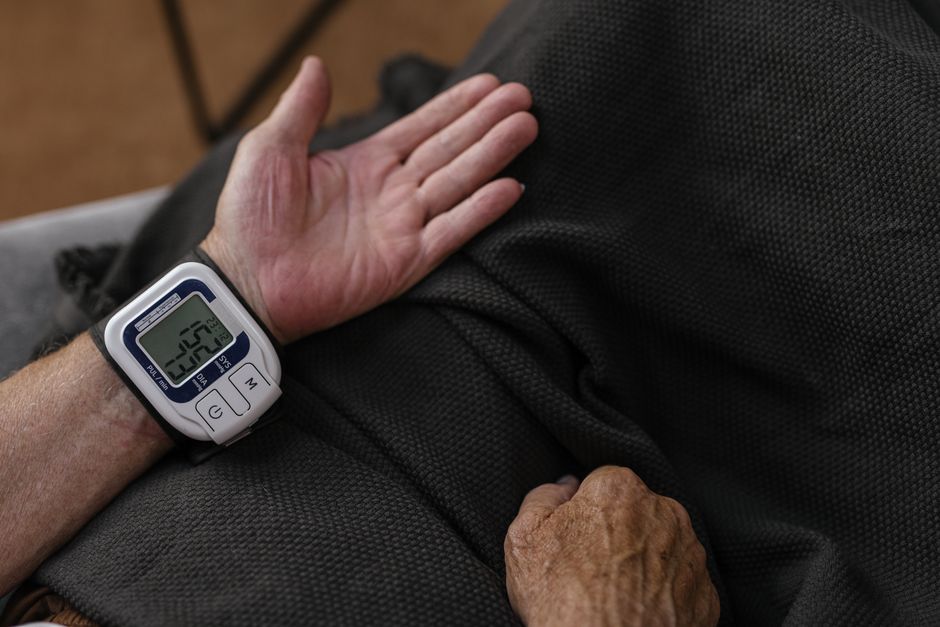
Your pulse is your heart’s beat count in one minute. A normal resting heart rate for most adults is 60 to 100 beats per minute. If yours is running high from stress, caffeine, or a hard workout, you can often bring it down within a few minutes using slow breathing, cold water on your face, or simply sitting still and letting your body settle. If your pulse is high along with chest pain, shortness of breath, or fainting, that is a medical emergency — call 911.
What follows is what actually works, what the evidence supports, and when a fast pulse needs a doctor instead of a breathing exercise.
What Actually Lowers Your Pulse Fast?
Slow breathing is the most reliable tool you have, and it works through a specific nerve pathway.
Your heart rate is controlled in part by the vagus nerve, which acts like a brake on your heart. When you breathe in, your heart speeds up slightly. When you breathe out, it slows down. Making your exhale longer than your inhale presses that brake harder.
A practical approach: breathe in through your nose for about 4 seconds, then out through your mouth for about 6 to 8 seconds. Repeat for one to two minutes. Many people see their pulse drop by several beats per minute within that window. The exact drop varies from person to person, and no single number applies to everyone.
Cold water on your face is another fast option. Splashing cold water or holding a cold pack against your face for 15 to 30 seconds can trigger what is called the dive reflex. This reflex slows your heart rate and is well documented in physiology. It works best when you are lying down or seated safely.
These methods lower a pulse that is high because of stress, caffeine, mild dehydration, or recovery from exercise. They do not fix a pulse that is high because of a heart rhythm problem, thyroid disease, or internal bleeding.
Why Is My Pulse High Right Now?
Your heart rate rises for reasons that fall into two broad groups: normal responses and things that need medical attention.
Normal causes include:
- Physical activity — a working muscle needs more oxygen, so your heart pumps faster
- Stress or anxiety — adrenaline raises heart rate within seconds
- Caffeine or energy drinks — stimulants can push resting heart rate up for hours
- Dehydration — less blood volume means the heart has to beat faster to move the same amount
- Fever — heart rate typically rises with body temperature
- Pain — a common and often overlooked trigger
- Certain medications — some asthma inhalers, decongestants, and thyroid medicines raise heart rate
Causes that need attention include:
- Atrial fibrillation and other arrhythmias — the heart’s electrical system misfires
- Anemia — low red blood cells mean less oxygen carried per beat
- Hyperthyroidism — an overactive thyroid speeds up nearly every body process
- Blood loss — internal bleeding can raise heart rate before other signs appear
- Pulmonary embolism — a clot in the lung is a medical emergency
One detail worth knowing: a resting heart rate under 60 beats per minute is not automatically a problem. Well-trained athletes often sit in the 40s and 50s. It only matters if it comes with dizziness, fatigue, or fainting.
How Long Should It Take for Your Pulse to Come Down?
For a pulse raised by exercise, most healthy adults return to their resting rate within a few minutes to about ten minutes of stopping.
For a pulse raised by stress or caffeine, the timeline depends on the cause. A stress spike can settle in one to two minutes with slow breathing. Caffeine’s effect can last several hours because your body has to metabolize it. Half the caffeine from a cup of coffee is typically cleared in about 3 to 5 hours in healthy adults, though this varies widely based on genetics, medications, and liver function.
For a pulse raised by dehydration, drinking water helps, but rehydration takes time. Your body needs to absorb the fluid and redistribute it into your bloodstream. Expect improvement over 30 minutes to a couple of hours, not seconds.
If your pulse stays elevated at rest for no clear reason, and it does not come down after 15 to 20 minutes of sitting quietly, that is a reason to check in with a doctor rather than keep trying breathing exercises.





What Is a Dangerously High Pulse?
A resting heart rate above 100 beats per minute in adults is called tachycardia. That is the standard threshold used in clinical settings.
Tachycardia is not automatically dangerous. A pulse of 110 during a stressful meeting is different from a pulse of 110 while you are lying in bed calm. The number matters less than the context and the symptoms around it.
Get emergency help if a fast pulse comes with any of these:
- Chest pain or pressure
- Shortness of breath at rest
- Fainting or near-fainting
- Confusion or trouble speaking
- Weakness or numbness on one side of the body
- A pulse that feels irregular or racing and will not slow down
These signs can point to a heart attack, a serious arrhythmia, or another emergency. Do not try to breathe your way through them.
A resting heart rate consistently above 100 without symptoms still deserves a medical visit. So does a resting rate that has climbed steadily over weeks or months without an obvious cause.
Does Fitness Change How Fast Your Pulse Recovers?
Yes, and this is one of the more useful things you can track about your own heart.
People who are more aerobically fit tend to have lower resting heart rates and faster recovery after exercise. Their hearts pump more blood per beat, so they need fewer beats to do the same work.
Heart rate recovery is the drop in your pulse in the first minute after you stop exercising. A larger drop generally reflects better cardiovascular fitness and stronger vagal tone. Researchers have studied heart rate recovery as a marker that relates to cardiovascular health, though it is not used as a standalone diagnostic test in routine care.
You can measure your own. Note your pulse immediately when you stop a hard effort, then again one minute later. Track it over weeks. Improvement over time is meaningful. A single reading is not.
What Does Not Work as Well as People Think
Some popular advice for lowering a pulse quickly has weak or no evidence behind it.
Holding your breath and bearing down — sometimes called the Valsalva maneuver — can slow the heart briefly. It is a real physiological response. But it also raises blood pressure sharply and can be risky for people with heart disease, eye problems, or a history of stroke. Some clinicians teach a modified version to patients with specific arrhythmias under supervision. It is not a general home remedy.
Drinking ice water does not slow your heart the way cold water on your face does. The dive reflex is triggered by cold on the face, particularly around the eyes and cheeks, not by cold in your stomach.
Supplement claims about “calming the heart” are mostly unsupported. Magnesium has some evidence for specific situations like certain arrhythmias under medical care, but no strong evidence supports it as a fast way to lower a normal high pulse. No large human trials confirm most of the products marketed for this purpose.
What does have consistent support: regular aerobic exercise, adequate sleep, limiting stimulants, staying hydrated, and managing stress. These lower resting heart rate over weeks and months, not minutes. They are the long game.
When to See a Doctor About a Fast Pulse
A single episode of a fast pulse that resolves on its own is usually not a concern. A pattern is.
See a doctor if:
- Your resting pulse is often above 100 beats per minute
- Your pulse feels irregular, skips, or races without warning
- You get dizzy, lightheaded, or short of breath with a fast pulse
- Your pulse has changed from your normal baseline and stayed there
- You take medication and notice a new fast pulse after starting it
A doctor can check your pulse, run an electrocardiogram, and order blood tests for thyroid function, anemia, and electrolytes. These tests often find the cause quickly. Many causes of a persistently fast pulse are treatable.
Frequently Asked Questions
How can I lower my pulse in 2 minutes?
Slow your breathing so your exhale is longer than your inhale — about 4 seconds in and 6 to 8 seconds out. Cold water on your face for 15 to 30 seconds can also trigger a reflex that slows the heart.
Is a pulse of 120 dangerous?
A resting pulse above 100 beats per minute is called tachycardia, and 120 at rest is worth a medical visit. It is an emergency if it comes with chest pain, shortness of breath, or fainting.
Does drinking water lower your heart rate?
It can help if dehydration is the cause, because restoring blood volume reduces the work your heart has to do. The effect takes time — usually 30 minutes or more — not seconds.
Why is my pulse high while resting?
Common causes include stress, caffeine, dehydration, fever, pain, anemia, and thyroid problems. A resting pulse that stays above 100 without a clear reason should be checked by a doctor.
