
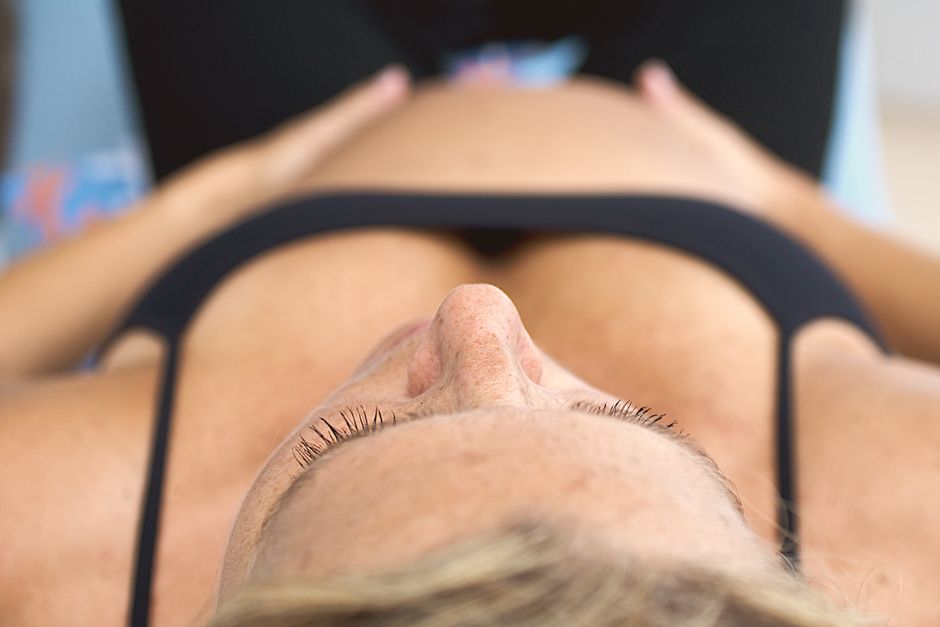
Getting your pre-pregnancy body back after birth is not a race, and it is not something that happens on a set schedule. The uterus shrinks back to roughly its pre-pregnancy size over about six weeks, but fat stores, abdominal muscle separation, and overall fitness take longer and depend on your pregnancy, delivery, sleep, and how you feed your baby. Most of the visible change in the first six weeks is fluid and uterine involution, not fat loss. Real, lasting changes come from gradual eating and activity habits over months, not weeks.
What Actually Happens to Your Body in the First Six Weeks
The first six weeks are a healing window, not a weight-loss window. Your body is closing a wound the size of a dinner plate where the placenta detached, and your hormone levels are shifting fast.
The uterus contracts from about the size of a watermelon back toward the size of a pear, a process called involution. Some of the weight you lose right after birth is the baby, placenta, and amniotic fluid. More comes off as retained fluid leaves over the following days and weeks.
You will likely still look several months pregnant for a while. That is normal. The abdominal wall has been stretched, and the deep core muscles that hold your organs in have been under strain for months. They do not snap back on their own timeline just because you want them to.
Lochia (postpartum bleeding) continues for weeks and changes color as it tapers. If you are breastfeeding, you may feel cramping as the uterus contracts during feeds. These are signs of normal healing, not setbacks.
When Can You Start Exercising After Giving Birth?
For an uncomplicated vaginal delivery, gentle movement like walking is generally fine within days if you feel up to it. For a cesarean birth or a delivery with complications, wait for your provider’s clearance, which usually comes at the postpartum checkup.
This is where a lot of well-meaning advice goes wrong. The six-week check is a milestone, not a starting gun. Some clinicians clear people for activity at that visit, but returning to high-impact exercise or heavy lifting often needs a more gradual approach, especially if you have symptoms like leaking urine, heaviness in the pelvis, or pain.
Signs to slow down and check in with a provider include:
- Urine leakage during activity
- A feeling of heaviness or bulging in the vagina
- Pain in the back, pelvis, or cesarean scar
- Bleeding that increases with activity
These can point to pelvic floor strain or other issues that benefit from assessment rather than pushing through. Pelvic floor physical therapy is well established for postpartum recovery and is not only for people with obvious problems.
How Do You Deal With Abdominal Separation?
Diastasis recti is a gap between the two halves of your abdominal muscle that widens during pregnancy. It is very common in late pregnancy and the early postpartum period. For many people it narrows over time, but for some it stays wider and affects core stability.
The evidence on exactly how to close the gap is mixed. What is clearer is that certain habits help and others work against you. Crunches, sit-ups, and front-loaded planks can make the doming or coning at your midline worse. So can straining hard during bowel movements or lifting with poor form.
Gentle deep-core breathing, posture work, and guided rehab are commonly recommended by physical therapists, though large trials comparing specific programs are limited. If you see a ridge or bulge push outward along your midline when you sit up or lift, that is worth showing a pelvic floor physical therapist or your provider. It is not a cosmetic issue alone; it can affect how well your core supports your back.



Does Breastfeeding Help You Lose the Baby Weight?
Breastfeeding burns extra calories, and some studies suggest it may help with weight loss over time. The picture is more complicated than the common claim that nursing melts the weight away.
Many breastfeeding parents find the scale barely moves for the first few months, and some gain a little. Appetite often rises, and broken sleep affects hunger hormones. Research on whether breastfeeding reliably leads to faster weight loss is mixed. Some studies show a modest advantage over time; others find little difference once other factors are accounted for.
The practical takeaway: nursing is not a weight-loss plan, and it is not a reason to eat very little. Severe calorie restriction can reduce milk supply and leave you depleted. If you are breastfeeding, any plan to cut calories should be discussed with your provider or a dietitian who understands lactation.
What Should You Eat to Support Recovery and Gradual Weight Loss?
There is no special postpartum diet, and no food that targets belly fat. What matters is enough protein, enough total calories to heal and, if you are nursing, to make milk, and a steady supply of vegetables, fruit, whole grains, and healthy fats.
Protein supports tissue repair and helps you feel full. Iron matters if you lost blood or are still anemic. Fiber and fluids help with constipation, which is common after birth and after cesarean surgery.
When you are ready to work toward pre-pregnancy weight, a modest calorie deficit is the standard approach, but the timing matters. Many providers suggest waiting until your supply is established and your body has had time to heal before cutting calories meaningfully, especially if you are breastfeeding. No clinical guidelines set an exact calorie target for postpartum weight loss that fits every person, so a dietitian can help tailor one to you.
Skip detoxes, teas marketed for “postpartum weight loss,” and very low-calorie plans. None are supported by good evidence for this stage, and some can be harmful while you are healing or nursing.
How Long Does It Take to Get Your Pre Pregnancy Body Back?
There is no standard timeline, and anyone who gives you a firm one is guessing. Some people return to their pre-pregnancy weight within a few months. Others take a year or more. Many find their body is shaped differently even at the same weight, because pregnancy changes the abdominal wall, hips, and rib cage.
Weight alone is a poor measure of recovery. A more useful set of markers includes:
- Whether you can move without pain or leaking
- Whether your core feels stable during daily tasks
- Your energy and sleep
- Whether you are eating in a way that supports healing
Sleep deserves a mention because it is easy to dismiss. Short, broken sleep affects appetite and makes consistent habits harder. That is not an excuse; it is a real physiological factor that improves as your baby’s sleep matures.
A Realistic Approach That Actually Works
The habits that help are unglamorous. Walk regularly. Build strength gradually, starting with your core and pelvic floor. Eat enough protein and vegetables. Get sleep where you can. Be patient with the timeline.
Strength training is worth prioritizing over endless cardio once you are cleared. Muscle supports your joints and metabolism, and it directly addresses the core and back weakness that pregnancy leaves behind. Start light and progress slowly.
One clarification that surprises many people: “getting your body back” is often the wrong target. Your body after birth is not a damaged version of the old one. It is a body that grew and delivered a human, and some changes are permanent and harmless. The goal worth aiming for is feeling strong, comfortable, and functional, not matching an old photo.
If weight loss is a goal, it is reasonable. Just pair it with recovery rather than replacing it. And if you feel stuck, low, or consumed by body worries, tell your provider. Postpartum mood changes are common and treatable, and they matter more than any number on a scale.
Frequently Asked Questions
How long does it take to get your pre pregnancy body back?
There is no fixed timeline. Some people return to their pre-pregnancy weight within a few months, while others take a year or longer, and body shape can change permanently.
Can you lose baby weight while breastfeeding?
Some people do, but the evidence is mixed and many find the scale barely moves in the first few months. Severe calorie restriction can reduce milk supply, so discuss any plan with your provider.
Is it safe to do sit-ups after giving birth?
Not right away, especially if you have abdominal separation. Crunches and sit-ups can worsen doming at the midline, so start with gentle deep-core work and get clearance first.
When can I start exercising after a C-section?
Wait for your provider’s clearance, which usually comes at the postpartum checkup. Start with walking and gentle movement, then build up gradually based on how your body responds.
