
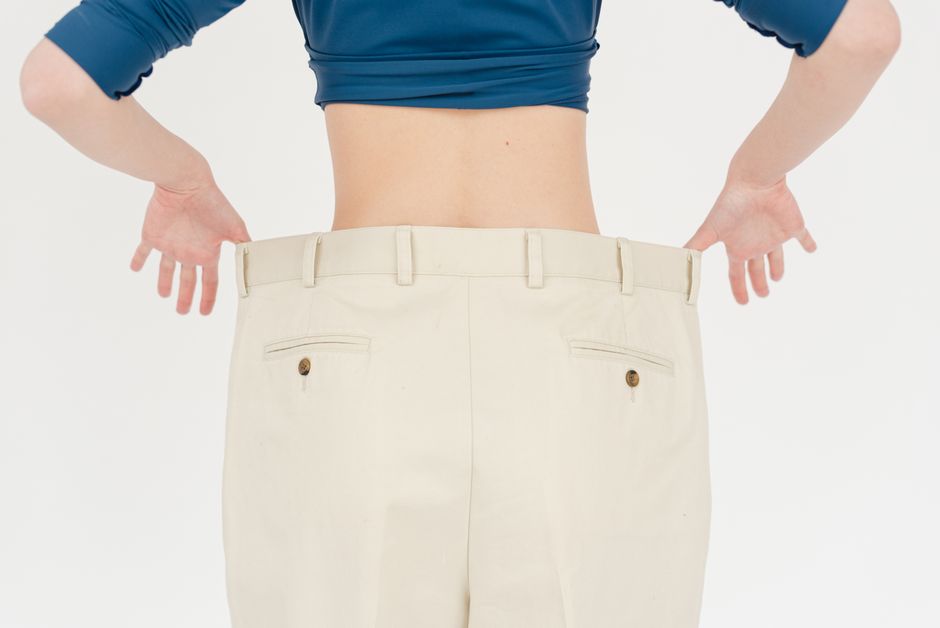
Losing weight can sometimes come with an unexpected side effect: your period stops. This condition, called secondary amenorrhea, means you have missed three or more periods in a row. The fix is not always about gaining weight back. It is about restoring the energy balance your body needs to support ovulation. The most effective way to get your period back after weight loss is to reduce intense exercise, increase calorie intake, and address any nutritional deficiencies while working with a healthcare provider to rule out other causes.
Why Does Weight Loss Stop Your Period?
Your reproductive system is not a luxury feature. It is an energy-expensive system that your brain only runs when conditions are right. When you lose too much weight too quickly, your body reads that as a threat. It decides that food is scarce and that a pregnancy would be dangerous.
The brain region called the hypothalamus slows down. It reduces the release of gonadotropin-releasing hormone (GnRH). This chain reaction lowers the hormones that trigger ovulation: luteinizing hormone (LH) and follicle-stimulating hormone (FSH). Without these, your ovaries do not release an egg, and you do not get a period.
This condition is known as functional hypothalamic amenorrhea (FHA). It is not a problem with the uterus or ovaries. It is a problem with the brain’s energy sensing. The same mechanism happens in women with eating disorders, in female athletes with low body fat, and in anyone who has lost weight rapidly through severe calorie restriction.
How Many Calories Do You Need to Restore Your Period?
There is no single calorie number that works for everyone. But there is a clear physiological principle: you must stop the energy deficit. Your body needs enough fuel to cover your daily activity plus the extra energy required to run a menstrual cycle.
Many women with FHA are eating far below their total daily energy expenditure. Some are exercising heavily while eating a low-calorie diet. The gap between calories in and calories out is what shuts down the system.
A common clinical approach is to increase intake by 200 to 500 calories per day above your current level. If you are underweight, a body mass index (BMI) below 18.5, weight restoration is often essential. Some women need to reach a higher body weight than the one where their period stopped before it returns.
Do not guess at this. Work with a registered dietitian who can calculate your energy needs based on your age, height, weight, and activity level. The goal is not to gain weight rapidly. The goal is to close the energy gap consistently so your brain trusts that food is available.
What Foods Help Bring Your Period Back?
No specific food will restart your period. But certain nutrients support the hormonal system and address common deficiencies in women with FHA.
- Healthy fats — Your body needs dietary fat to produce estrogen and progesterone. Include sources like olive oil, avocados, nuts, seeds, and fatty fish.
- Complex carbohydrates — Low-carb diets can suppress reproductive hormones. Whole grains, potatoes, legumes, and fruit provide glucose that the brain needs to signal reproduction.
- Protein — Adequate protein supports muscle maintenance, especially if you are reducing exercise.
- Iron and zinc — Deficiencies in these minerals can affect ovulation. Good sources include lean meat, shellfish, beans, and fortified cereals.
Calcium and vitamin D also matter for bone health. Low estrogen from missing periods increases the risk of bone loss. If you have not had a period for six months or more, ask your doctor about a bone density scan.





Should You Reduce Exercise to Get Your Period Back?
Yes. High-intensity training is a major contributor to FHA. If you are exercising daily, doing high-intensity interval training, or training for endurance events, your body may not have enough energy left over for reproduction even if you eat what seems like enough.
Research consistently shows that reducing exercise volume and intensity helps restore menstrual function. This does not mean you must stop moving entirely. It means you must reduce the energy cost of your workouts while increasing your fuel intake.
A practical approach is to cut your training volume by 25 to 50 percent. Replace high-intensity sessions with walking, gentle yoga, or light resistance training. The goal is to create a positive energy balance where your body has spare energy beyond what it needs for daily survival.
If you are an athlete, this can feel like a setback. But amenorrhea is a warning sign, not a badge of fitness. Ignoring it increases your risk of stress fractures and long-term bone density loss. Some studies suggest that bone loss from prolonged amenorrhea may not be fully reversible even after your period returns.
How Long Does It Take to Get Your Period Back?
The timeline varies. Some women see their period return within a few weeks of increasing calories and reducing exercise. Others take several months. The key variable is how long your period was absent and how large your energy deficit was.
If you have been missing periods for more than a year, recovery may take longer. The hypothalamus does not rebound overnight. It needs sustained energy availability, not a single day of eating more.
Most clinicians look for a return of menses within three to six months of consistent lifestyle changes. If your period does not return within that window, further medical evaluation is needed.
Can You Get Your Period Back Without Gaining Weight?
Sometimes. If you are at a normal body weight but exercising excessively and undereating, you may restore your period by reducing exercise and increasing food without significant weight gain. The body composition change matters more than the number on the scale. Some women gain a small amount of weight but lose it once hormones regulate.
However, if you are underweight, weight gain is likely necessary. There is no safe way to maintain a BMI below 18.5 and have a healthy menstrual cycle. Your body will prioritize survival over reproduction. That is not a choice your brain makes; it is a biological default.
Do not aim to stay at your lowest possible weight. Aim for the weight where your body functions normally. For many women, that is a higher weight than they prefer. Accepting that number is part of recovery.
When Should You See a Doctor for a Missed Period?
See a healthcare provider if you have missed three consecutive periods, if you have not had a period for three months, or if you have any other symptoms like headaches, vision changes, or nipple discharge. These can signal other conditions that need evaluation.
Your doctor will likely run blood tests to check thyroid function, prolactin, follicle-stimulating hormone, and estrogen levels. They may also do a pregnancy test and an ultrasound. These tests rule out conditions like polycystic ovary syndrome (PCOS), premature ovarian insufficiency, and thyroid disorders that can also stop periods.
Do not assume your missed period is only from diet and exercise. Other causes are common and treatable. A proper diagnosis is essential before you change your lifestyle plan.
What Happens If You Do Nothing?
Leaving amenorrhea untreated has consequences beyond infertility. Low estrogen affects bone density and increases the risk of osteoporosis and fractures. It can also affect heart health, mood, and cognitive function.
If you are not trying to conceive, you might think a missing period is convenient. It is not. It is a sign that your body is under stress. The longer the energy deficit continues, the harder recovery becomes.
Some women use hormonal birth control to induce a bleed. This can protect the uterus but does not address the underlying problem. It also does not restore ovulation or protect bone density the way your natural estrogen would. Hormonal contraceptives are not a cure for FHA.
Frequently Asked Questions
How fast can I get my period back after weight loss?
Some women see their period return within a few weeks of increasing calories and reducing exercise. Most recover within three to six months of consistent changes.
Can I get my period back without gaining weight?
Yes, if you are at a normal weight but over-exercising and undereating. Reducing training and increasing food may restore your cycle without significant weight gain, though some weight gain is common and healthy.
What is the best supplement to get your period back?
No supplement has been proven to restart a period. Vitamin D, zinc, and iron may help if you are deficient, but the primary treatment is restoring energy balance through food and rest.
Is it dangerous to not have a period for a year?
Yes. Prolonged absence of periods increases the risk of bone density loss and fractures. If you have missed your period for a year or more, seek medical evaluation and ask about a bone density scan.
