
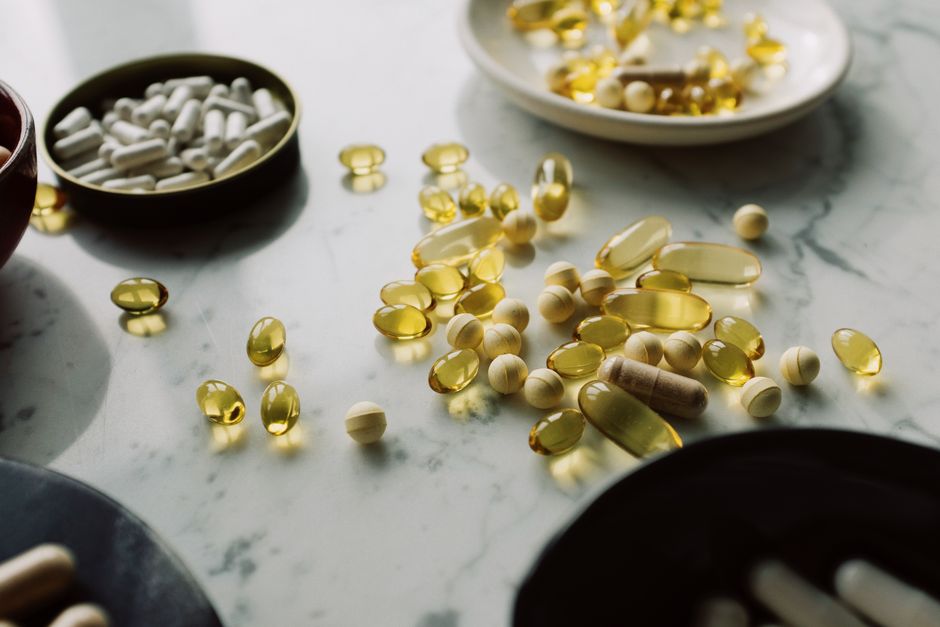
Hemoglobin is the protein in red blood cells that carries oxygen from your lungs to every tissue in your body. When it drops too low, you feel tired, short of breath, and foggy. The most effective way to raise it depends on why it fell — and diet and supplements work best when the cause is a nutritional deficiency, especially iron. Food alone can help, but for a true deficiency, supplements are often what actually moves the number.
What Actually Counts as Low Hemoglobin?
Hemoglobin is measured in grams per deciliter (g/dL). The World Health Organization defines anemia in non-pregnant adults as below 13 g/dL for men and below 12 g/dL for women. These are the numbers most clinicians use as a starting reference.
Normal ranges vary slightly by lab, and they shift with age, pregnancy, altitude, and smoking. A single number rarely tells the whole story. Doctors usually look at hemoglobin alongside ferritin (stored iron), transferrin saturation, and sometimes vitamin B12 and folate to find the cause.
That distinction matters. Low hemoglobin is a finding, not a diagnosis. Iron deficiency, B12 deficiency, kidney disease, chronic inflammation, and blood loss can all produce the same low reading while needing very different responses.
What Causes Low Hemoglobin?
Iron deficiency is the most common cause worldwide, and in the United States it is especially common in menstruating women, pregnant people, and adults over 50. But it is not the only cause.
- Blood loss — heavy periods, slow gastrointestinal bleeding, frequent blood donation, or surgery
- Low intake or poor absorption — diets low in iron, celiac disease, or prior gastric surgery
- B12 or folate deficiency — often from low intake, pernicious anemia, or certain medications
- Chronic disease or inflammation — the body holds iron back from red cell production
- Kidney disease — the kidneys make erythropoietin, a hormone that signals red cell production
- Genetic conditions — such as thalassemia, where the body makes less hemoglobin per cell
This is why treating low hemoglobin without knowing the cause can waste time or, in rare cases, cause harm. Iron supplements do nothing for a B12 deficiency. And in some inflammatory conditions, extra iron is not the answer at all.
How To Get Your Hemoglobin Up With Diet And Supplements
The core strategy is to supply the raw materials your body needs to build red blood cells — mainly iron, vitamin B12, and folate — while removing whatever is draining them. For nutritional deficiencies, this approach works well. For other causes, it does not, and that is worth knowing before you spend months on it.
Diet alone can correct mild deficiency over time. For moderate to severe deficiency, food is usually not enough on its own, and clinicians typically add supplements. The two work together, not instead of each other.
Iron From Food
Iron comes in two forms. Heme iron, found in animal foods, is absorbed more efficiently. Non-heme iron, found in plants, is absorbed less efficiently but still contributes meaningfully, especially when paired with vitamin C.
Good sources of heme iron include beef, liver, poultry, and fish. Non-heme sources include lentils, beans, tofu, spinach, and fortified cereals. The USDA publishes iron content for these foods, and the differences are large — a serving of beef liver contains several times the iron of a serving of spinach.
Vitamin C boosts absorption of non-heme iron. Pairing beans or spinach with citrus, peppers, or tomatoes is a practical habit. Coffee, tea, and calcium can reduce absorption when consumed with iron-rich meals, so spacing them apart helps.
Vitamin B12 and Folate
B12 is found almost entirely in animal foods — meat, fish, eggs, and dairy — plus fortified products and supplements. Folate is abundant in leafy greens, legumes, and fortified grains. Both are needed for red blood cell production, and a deficiency in either can cause anemia even when iron is normal.
If you eat a plant-based diet, B12 supplementation is generally considered necessary because reliable food sources are limited. This is well established, not a fringe recommendation.


Do Iron Supplements Actually Work?
For iron deficiency, oral iron supplements are the standard first-line treatment and are widely effective when taken consistently. The evidence here is strong. The challenge is usually tolerability and absorption, not whether they work.
Common side effects include constipation, nausea, and dark stools. Taking iron with vitamin C or on an empty stomach improves absorption, though it can worsen stomach upset. Some people do better taking it with a small amount of food.
Not all iron is the same. Ferrous sulfate is the most studied and most commonly prescribed form. Other forms, including ferrous gluconate, ferrous fumarate, and some newer formulations, may be better tolerated by some people. The right choice depends on your situation and should come from your clinician, not a label.
One point worth stating plainly: more iron is not better. Taking high doses without a confirmed deficiency can cause real harm, including organ damage over time. Iron supplementation should follow a blood test, not a guess.
What About B12 and Folate Supplements?
For confirmed B12 deficiency, supplementation is effective and often necessary. It can be given orally or by injection, depending on the cause and severity. Oral B12 works well for many people, even when absorption is reduced, because a small fraction is absorbed passively.
Folate supplements correct folate deficiency anemia. But there is an important catch: giving folate alone to someone who is also B12 deficient can correct the anemia while nerve damage from the B12 deficiency continues to progress. This is why B12 status should be checked before treating with folate alone. This is a well-documented clinical concern.
How Long Does It Take to See a Change?
With effective treatment for a nutritional deficiency, hemoglobin typically begins to rise within a few weeks, and a meaningful change is usually visible on repeat testing after several weeks to a few months. Full correction often takes longer, because the body has to rebuild its iron stores, not just the hemoglobin.
That timeline is a general clinical pattern, not a guarantee. It depends on the cause, the dose, absorption, and whether the underlying problem has been fixed. If hemoglobin is not rising as expected, the usual reasons are ongoing blood loss, poor absorption, or the wrong diagnosis.
When Diet and Supplements Are Not Enough
Some causes of low hemoglobin do not respond to nutrition at all. Kidney disease, chronic inflammatory conditions, and some genetic disorders require different treatment — sometimes including medications that stimulate red blood cell production or, in severe cases, transfusion.
There is also a safety issue that deserves direct mention. In adults, iron deficiency is sometimes the first sign of gastrointestinal bleeding, including from colon cancer. Guidelines from gastroenterology organizations generally recommend evaluating the source of iron deficiency in men and postmenopausal women rather than simply treating it with supplements and moving on. If your hemoglobin is low and the cause is unclear, that evaluation matters.
Diet and supplements are powerful tools for the right problem. They are not a substitute for finding out what the problem actually is.
Practical Steps That Help
- Get a blood test before starting iron — ferritin and a complete blood count give far more information than hemoglobin alone
- Pair plant iron with vitamin C at the same meal
- Keep coffee, tea, and calcium supplements away from iron-rich meals and iron doses
- Take iron consistently — skipping days undermines the whole point
- Recheck levels after a few months to confirm the approach is working
- Ask your clinician about the underlying cause, especially if you are male or postmenopausal
Frequently Asked Questions
Can I raise my hemoglobin with food alone?
Yes, if the deficiency is mild and caused by low intake, iron-rich foods paired with vitamin C can gradually raise hemoglobin. For moderate to severe deficiency, food alone is usually not enough and supplements are typically needed.
How long do iron supplements take to raise hemoglobin?
Hemoglobin usually starts rising within a few weeks of consistent iron supplementation, with meaningful changes often seen after several weeks to a few months. Full correction takes longer because iron stores must also be rebuilt.
What foods raise hemoglobin the fastest?
Heme iron sources like beef, liver, and poultry are absorbed most efficiently, so they tend to support hemoglobin faster than plant sources. Pairing plant iron with vitamin C improves absorption of non-heme iron.
Is it safe to take iron supplements without a blood test?
No — taking iron without a confirmed deficiency can cause harm, including organ damage over time from iron overload. Iron supplementation should follow a blood test and guidance from a clinician.
