
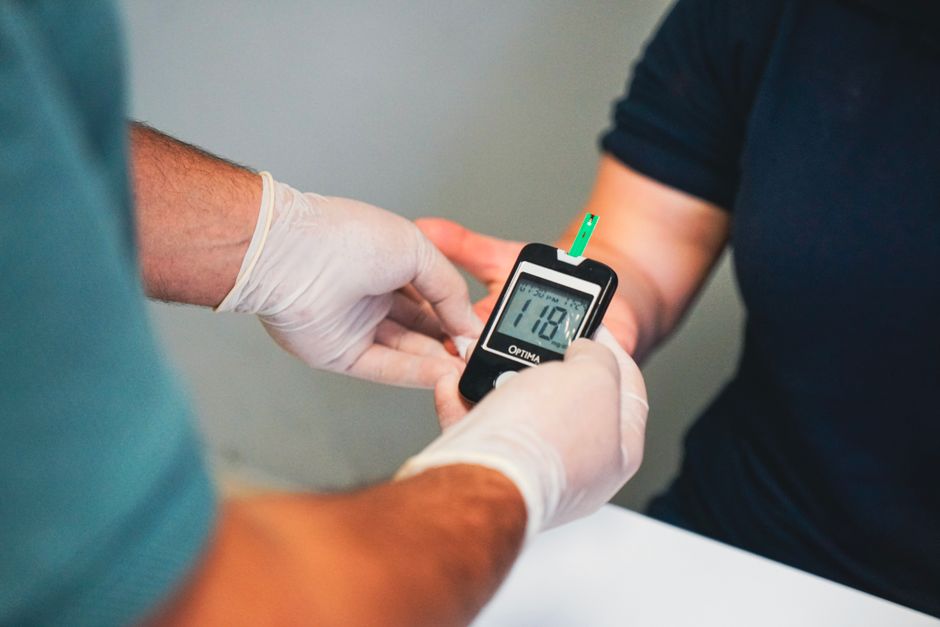
Your blood glucose responds to what you eat, how you move, how you sleep, and how much stress you carry. The most reliable way to bring it down is to combine several small changes rather than chase one fix. Eating protein and fiber before starchy foods, walking after meals, lifting weights a few times a week, and getting enough sleep all have real evidence behind them. None of them work overnight, and none replace medical care if you have diabetes.
This guide covers eight practical steps, explains why each one works, and is honest about where the evidence is strong and where it is thin.
What Actually Raises Blood Glucose?
Glucose is the sugar your cells burn for fuel, and it comes from two main places. It enters your blood from the food you eat, especially carbohydrates. Your liver also makes and releases glucose on its own, which is why your levels can rise even when you have not eaten.
Insulin, a hormone made by the pancreas, moves glucose out of the blood and into cells. When the body stops responding well to insulin — a state called insulin resistance — glucose lingers in the bloodstream. That is the core problem in type 2 diabetes, and it develops slowly over years.
For reference, a normal fasting glucose is 70–99 mg/dL. A fasting level of 100–125 mg/dL is considered prediabetes, and 126 mg/dL or higher on repeated testing points to diabetes. These are standard diagnostic ranges used in clinical practice.
1. Eat Protein and Fiber Before Carbohydrates
The order you eat food in can affect the glucose spike that follows a meal. When you eat vegetables, protein, or fat first and save starches and sweets for last, the rise in blood sugar tends to be smaller.
Some studies have found that eating protein or vegetables before carbohydrates in the same meal lowers the post-meal glucose rise compared with eating the carbohydrate first. The effect is modest, not dramatic. But it costs nothing and requires no special foods.
Practical version: start lunch or dinner with a salad, some vegetables, or the protein portion. Eat the rice, bread, or potato afterward. This is not a cure for anything. It is one lever among several.
2. Walk After Meals
Muscles pull glucose out of the blood when they contract, and this happens partly without insulin. That makes movement after eating especially useful, because it works on the incoming glucose at the moment it arrives.
Research consistently shows that light activity after a meal lowers the post-meal glucose rise compared with sitting still. Even a short walk helps. The key is timing — within roughly an hour of eating, when glucose is climbing.
You do not need a gym. A ten to fifteen minute walk after dinner is a realistic starting point for most people. Standing up and moving around the house counts for something, though walking appears to work better.
3. Build Muscle With Strength Training
Muscle is one of the largest places in the body that stores glucose. More muscle mass generally means more capacity to take glucose out of the blood, and trained muscle tends to respond better to insulin.
This is why strength training matters alongside walking. Resistance exercise — using weights, resistance bands, or your own body weight — improves how well muscle takes up glucose. Some research suggests the benefit comes from both more muscle and better muscle function.
Two or three sessions a week is a common starting point for general health. You do not need heavy weights to begin. Bodyweight squats, pushing movements, and carrying groceries all count as resistance work.
4. Choose Carbohydrates That Digest Slowly
Not all carbohydrates raise glucose the same way. Foods high in fiber — beans, lentils, whole grains, vegetables, and most fruit — release glucose more gradually than refined starches and sugary drinks.
Fiber slows digestion and blunts the glucose spike. Refined carbohydrates like white bread, white rice, and sugary beverages tend to push glucose up faster and higher. This is well established.
The practical move is substitution, not elimination. Swap some white rice for beans. Choose whole grain bread over white. Drink water instead of soda. Small swaps repeated often matter more than a perfect meal once a week.
5. Get Enough Sleep
Short sleep and poor sleep quality both push glucose upward. Even a few nights of restricted sleep can reduce insulin sensitivity in healthy people, according to research on sleep and metabolism.
Poor sleep also affects appetite hormones, which can increase cravings for high-carbohydrate foods the next day. So sleep affects glucose both directly and through the food choices that follow.
Most adults need seven to nine hours, though individual needs vary. Consistent sleep and wake times appear to help. If you snore heavily or wake unrefreshed, it is worth asking a clinician about sleep apnea, which is strongly linked to poor glucose control.
6. Manage Stress
Stress hormones like cortisol raise blood glucose. This is a normal survival response — your body releases stored glucose to prepare for action. The problem is when stress is constant and glucose stays elevated.
The evidence that stress-reduction techniques lower glucose directly is mixed. Some studies suggest benefit from practices like slow breathing, meditation, or regular physical activity. The effect sizes are generally modest and hard to separate from other lifestyle changes.
What is clearer is that chronic stress often leads to poorer sleep, more comfort eating, and less movement — all of which raise glucose. Addressing stress is worthwhile even if the direct hormonal effect is hard to measure.
7. Stay Hydrated With Water
Water supports normal kidney function, and the kidneys play a role in regulating blood glucose. Drinking enough water helps your body clear excess glucose through urine.
There is a common claim that drinking more water directly lowers blood glucose. The evidence for that specific effect is limited. What is well supported is avoiding sugary drinks, which raise glucose quickly and add calories with little nutritional value.
Replacing soda, sweet tea, and juice with water is one of the simplest changes with a real effect on glucose. That substitution matters more than hitting a specific number of glasses.
8. Lose Some Weight If You Carry Excess
Excess body fat, particularly around the abdomen, is linked to insulin resistance. Losing even a modest amount of weight can improve insulin sensitivity and lower blood glucose in people who carry extra weight.
Research on weight loss and diabetes prevention is among the strongest in this area. Large trials have shown that modest weight loss combined with activity reduces the risk of progressing from prediabetes to type 2 diabetes in high-risk adults.
Modest means modest. You do not need to reach an ideal weight. Some studies suggest that losing a relatively small percentage of body weight produces measurable improvement in glucose control. The exact amount varies by person, and no single target fits everyone.
How Do These Tips Compare?
| Approach | Main Mechanism | Strength of Evidence |
|---|---|---|
| Food order | Slows glucose entry after meals | Some studies, modest effect |
| Walking after meals | Muscles take up glucose | Consistent evidence |
| Strength training | More muscle, better insulin response | Consistent evidence |
| High-fiber carbs | Slower digestion | Well established |
| Sleep | Insulin sensitivity, appetite control | Consistent evidence |
| Stress management | Lowers stress hormones | Mixed evidence |
| Water over sugary drinks | Avoids rapid glucose spikes | Well established for the swap |
| Modest weight loss | Improves insulin sensitivity | Strong evidence |
What About Supplements and Trendy Fixes?
Many products claim to lower blood glucose. The evidence is uneven. Some ingredients like cinnamon or berberine have been studied, but results vary and product quality is not standardized.
No supplement has been shown to replace the basics — food, movement, sleep, and weight. If you take medication for diabetes, some supplements can interact with it. Talk to a clinician or pharmacist before adding anything.
Be skeptical of anything promising rapid, dramatic glucose drops. Real change from lifestyle is gradual. Anyone selling a fast fix is usually selling something else too.
When Should You See a Doctor?
If you have diabetes, these tips support but do not replace your treatment plan. Changes to diet and activity can affect medication needs, so coordinate with your care team, especially if you take insulin or drugs that can cause low blood sugar.
See a clinician if you have symptoms like excessive thirst, frequent urination, unexplained weight loss, or blurred vision. These can signal high glucose that needs medical attention.
If your glucose readings are consistently outside the ranges your clinician set for you, that is a reason to check in — not to adjust medication on your own.
Frequently Asked Questions
How fast can lifestyle changes lower blood glucose?
Some changes, like walking after a meal, can lower post-meal glucose within the same day. Changes to fasting glucose and overall control typically take weeks to months of consistent effort.
Does drinking water lower blood sugar?
Water supports normal kidney function, but there is limited evidence that drinking more of it directly lowers glucose. The clearer benefit comes from replacing sugary drinks with water.
Can I lower my glucose without medication?
Many people with prediabetes or mild type 2 diabetes improve glucose through diet, activity, sleep, and modest weight loss. Whether medication is needed depends on your individual situation, so discuss it with a clinician.
Is walking enough, or do I need to lift weights too?
Walking helps most with post-meal glucose, while strength training builds muscle that takes up glucose over the long term. Combining both tends to work better than either alone.
