
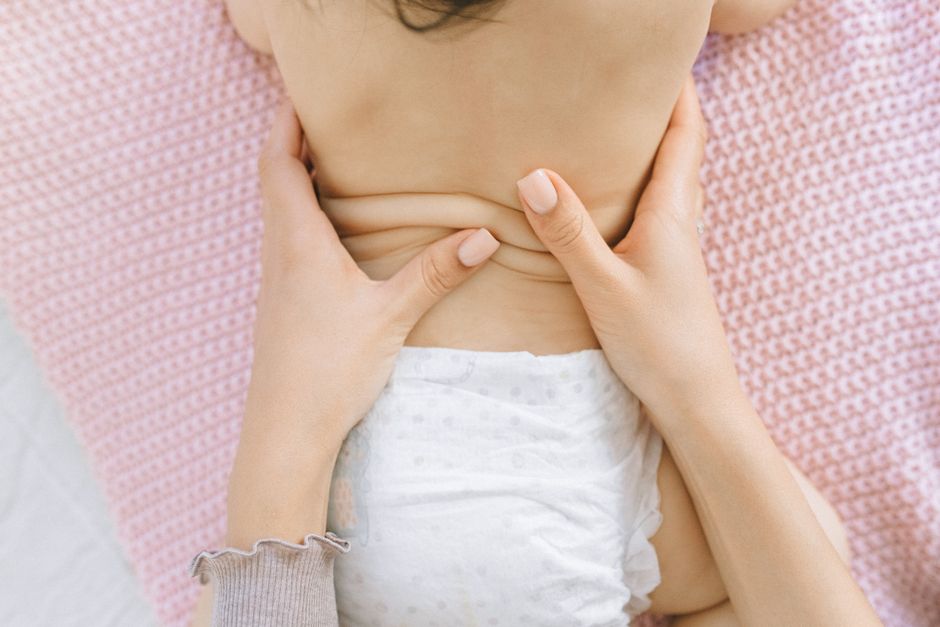
If your child hasn’t pooped in a few days and is uncomfortable, the first steps are simple: offer more water, add fiber-rich foods like fruit and vegetables, and encourage gentle movement. If those don’t help, a doctor may recommend an over-the-counter laxative made for children. Never give an adult laxative or stimulant without checking with a doctor first.
Constipation in children is common. It is also one of the most misunderstood. Many parents worry something is seriously wrong when the real issue is usually a stool that got too hard and too painful to pass. The fix is often less about force and more about softening, timing, and breaking a fear cycle that keeps the problem going.
This guide explains what actually works, what doesn’t, and when to call a doctor.
What Counts as Constipation in Children?
Constipation is not just about how often a child poops. It is also about how hard the stool is and how much it hurts to pass.
Doctors generally look at a pattern rather than a single number. A child may be constipated if they have fewer than three bowel movements a week, or if the stool is hard, dry, or painful even when it happens more often. Straining, crying, or holding the body stiff during a bowel movement can also be signs.
Normal frequency varies a lot by age. Infants may poop several times a day. Older children may go once a day or every other day. What matters most is whether the child is comfortable and whether the stool is soft.
One thing many parents miss: a child who poops every day can still be constipated. If the stool is small, hard, or comes out in little pellets, that counts too.
Why Does Constipation Happen in the First Place?
Most childhood constipation is what doctors call functional constipation. That means the bowel itself is healthy, but something about diet, routine, or behavior is slowing things down or making stool hard to pass.
The most common contributors include:
- Not drinking enough water
- Not eating enough fiber
- Holding poop because of fear or because it isn’t convenient
- Changes in routine, like starting school or travel
- Toilet training stress
- Some medications
The fear piece is bigger than most parents realize. When a child passes a hard, painful stool once, they may start clenching to avoid that pain again. That holding behavior lets stool sit in the colon longer, where more water gets absorbed and it becomes even harder. This creates a loop that can last weeks or months if it isn’t addressed.
In a smaller number of cases, constipation has a medical cause. Rarely, it can be linked to conditions affecting the nerves or muscles of the bowel, thyroid problems, or other issues. A doctor can help sort this out if the pattern doesn’t fit typical constipation.
How To Get Your Child To Poop When Theyre Constipated?
The most effective approach combines three things: softening the stool, making it easier to pass, and removing the fear that keeps a child from trying.
Increase Fluids
Water is the simplest place to start. Offer it throughout the day rather than all at once. For children old enough to drink juice, small amounts of apple, pear, or prune juice can help because these contain natural sugars that draw water into the bowel. This effect is well documented in young children.
Skip soda and sports drinks. They add sugar without helping the stool.
Add Fiber Gradually
Fiber adds bulk and holds water in the stool. Good sources for kids include:
- Whole fruits with the skin on, like apples and pears
- Berries
- Beans and lentils
- Whole grain bread and cereal
- Vegetables like broccoli, peas, and sweet potato
Add fiber slowly. Going from low fiber to high fiber overnight can cause gas and bloating, which makes some kids more reluctant to eat. Pair every high-fiber food with water, because fiber without fluid can actually make stool harder.
Encourage Movement
Physical activity helps stimulate the bowel. It doesn’t need to be structured exercise. Running, jumping, dancing, or playing outside all count. For a child who is really backed up, even a walk around the block can help get things moving.
Use the Toilet at the Right Time
The bowel has a natural reflex after eating. Have your child sit on the toilet for a few minutes about 20 to 30 minutes after a meal, especially after breakfast. This is when the reflex is strongest.
Make it relaxed. A footstool under the feet helps the child get into a squat-like position, which makes passing stool easier. Reading a book or singing can keep the mood light. Don’t force it. Five to ten minutes is enough. If nothing happens, try again later.
Consider a Stool Softener
When diet and routine changes aren’t enough, doctors often recommend an over-the-counter stool softener or osmotic laxative made for children. These work by pulling water into the bowel, which softens the stool so it can pass without pain.
This is a step to take with a doctor’s guidance, not on your own. The dose depends on the child’s age and weight, and getting it right matters. Do not give an adult laxative or a stimulant laxative without medical advice. Some products are not safe for young children.
Once stool is soft and passing is no longer painful, the fear cycle starts to break. Many children need to stay on a softener for a period of time even after things improve, because the bowel needs time to return to normal. Stopping too soon is a common reason constipation comes back.

What About Supplements and Home Remedies?
Some parents try probiotics, magnesium, or herbal teas. The evidence for these in children is limited. Some studies suggest probiotics may help in certain cases, but results vary and no single strain has been clearly established as a standard treatment for childhood constipation.
Magnesium can loosen stool, but giving the wrong amount to a child can cause problems, and there are no established dosing guidelines for children for this purpose. Talk to a doctor before using it.
Castor oil, enemas, and suppositories should only be used if a doctor recommends them. They are not first-line treatments for children and can cause discomfort or injury if used incorrectly.
What about “cleanses” or detox products? There is no evidence these help children, and some can be harmful. Skip them.
When Should You Call a Doctor?
Most constipation in children can be managed at home. But some signs mean it’s time to get medical help.
Call a doctor if your child:
- Has severe belly pain
- Is vomiting
- Has blood in the stool
- Hasn’t pooped in several days along with these symptoms
- Is losing weight or not growing well
- Has a swollen belly
- Seems very tired or unwell
Also call if constipation has lasted more than two weeks, if home measures aren’t working, or if your child is holding stool and clearly in pain. For newborns and infants, talk to a doctor before trying anything at home. Constipation in this age group needs medical attention because the causes and safe treatments are different.
If your child has a history of constipation that keeps coming back, a doctor may recommend a longer treatment plan. This often includes staying on a stool softener for months, along with diet and routine changes, to give the bowel time to recover.
What Doesn’t Work
Some common advice isn’t supported by evidence and can even make things worse.
Forcing a child to sit on the toilet for long periods can increase anxiety and make them resist more. Punishment or shaming around toilet habits backfires. So does withholding fluids to “reset” the system. That makes stool harder, not softer.
Giving large amounts of fiber all at once without enough water can cause more discomfort. And relying on stimulant laxatives long-term without medical supervision isn’t recommended.
The goal is not to force a bowel movement. It is to make the stool soft enough that the child’s body can pass it without pain, and to rebuild a calm routine around using the toilet.
Frequently Asked Questions
How long can a child go without pooping before it’s a problem?
If a child hasn’t pooped in three days and seems uncomfortable, it’s worth acting. If it has been more than a week or there is pain, vomiting, or a swollen belly, call a doctor.
What foods help a child poop fast?
Fruits like apples, pears, and prunes, along with water, can help soften stool within a day or two. Beans, whole grains, and vegetables also help but work more gradually.
Can I give my child an adult laxative?
No. Adult laxatives can be too strong for children and some are not safe for them. Only use a children’s product and only with a doctor’s guidance on the right dose.
Why does my child hold their poop in?
Holding usually starts after a painful bowel movement, and the child clenches to avoid that pain again. This makes stool harder over time and keeps the cycle going until the stool is softened and passing is no longer painful.
