
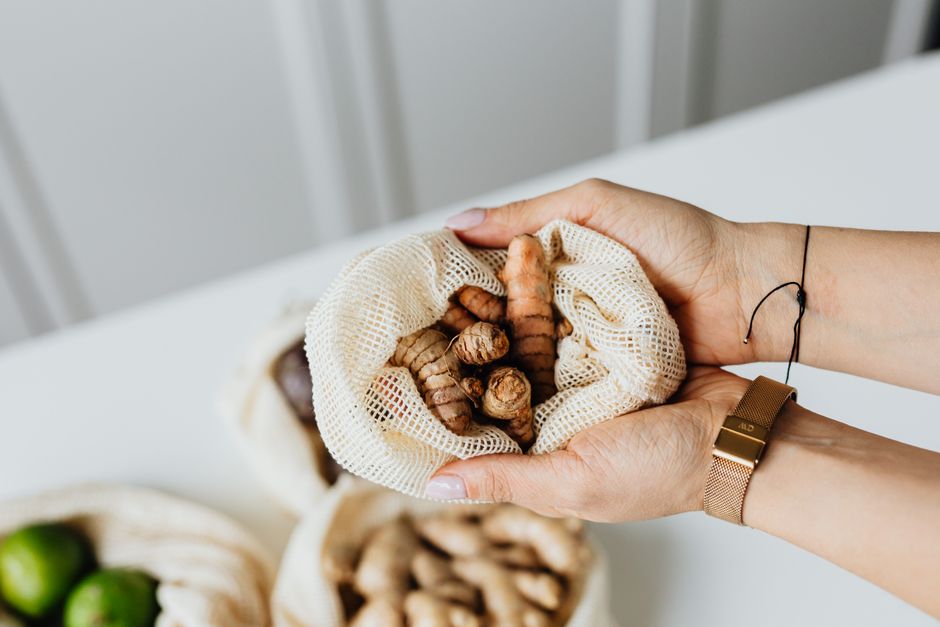
Turmeric stains plastic through curcumin, the yellow pigment in turmeric, which dissolves into the plastic’s surface rather than sitting on top of it. The fix is to lift that pigment out with a mild oil, an acid, or gentle sunlight — not to scrub harder. Scrubbing damages the plastic surface and can push the color deeper into tiny scratches, which is why some stains seem to come back after cleaning.
Most yellow turmeric stains on food storage containers, cutting boards, and utensils will fade with a paste of baking soda and water, or by rubbing the surface with a small amount of cooking oil before washing. Stubborn stains that have sat for weeks may need repeated treatments or a few hours of indirect sunlight.
Why Does Turmeric Stain Plastic So Badly?
Curcumin is a fat-soluble pigment, and plastic is not a smooth, sealed surface the way glass is. Many common plastics — including the polypropylene used in most food storage containers — have a slightly porous or microscopically scratched surface. When turmeric-rich food sits in a container, the pigment works its way into those tiny gaps.
Once curcumin is inside the plastic, water and dish soap cannot reach it well. Water and oil do not mix, and curcumin dissolves far more readily in fat than in water. That is why a container that looks clean after washing can still show a yellow tint, especially after it dries.
Heat makes this worse. Turmeric added to a hot curry or a simmering pot of rice releases pigment more aggressively, and warm plastic may absorb it more readily. Microwaving a stained container can also set a stain that was previously light.
This is also why turmeric stains are so different from, say, a beet or tomato stain. Those pigments are largely water-soluble and lift out with soap and water. Curcumin does not.
How To Get Turmeric Stains Out Of Plastic For Good
The most reliable method combines a fat to draw the pigment out with a mild abrasive to lift it from the surface. The sequence matters more than any single ingredient.
Start with oil. Pour a small amount of cooking oil — vegetable, olive, or coconut — onto the stained area and rub it in with your fingers or a soft cloth for about a minute. The oil begins dissolving the curcumin sitting near the surface. Wipe it away with a paper towel rather than rinsing it down the drain.
Next, make a paste of baking soda and a little water. Apply it to the stain and let it sit for 15 to 30 minutes. Baking soda is mildly abrasive and slightly alkaline, which helps break up the pigment residue. Scrub gently with a soft sponge or an old toothbrush. Rinse with warm — not boiling — water.
If the stain persists, try white vinegar. Pour a small amount directly onto the stain, let it sit for a few minutes, then scrub. Vinegar’s acidity can help break the bond between pigment and plastic. Some people alternate vinegar and baking soda for a fizzing action; the fizz itself does not clean much, but the two ingredients together can still help.
Repeat the oil-and-baking-soda cycle up to two or three times over several days if needed. Many stains lift gradually rather than all at once.
Does Sunlight Really Fade Turmeric Stains?
Yes, indirect sunlight can help fade turmeric stains on plastic, and it is one of the least damaging methods for the surface. Ultraviolet light breaks down many pigments over time, and curcumin is known to degrade when exposed to light.
Place the clean, dry container outside on a sunny day or on a windowsill. A few hours of indirect sun is a reasonable starting point. Check periodically — direct, intense sun over many hours can degrade some plastics, causing yellowing or brittleness of its own, especially in older or thin containers.
Sunlight is slow. It works best as a finishing step after oil and baking soda have removed most of the stain, or as a low-effort option for a lightly stained item you can leave out for a day.
What Should You Avoid When Cleaning Turmeric Stains?
Bleach is the most common mistake. Chlorine bleach can react with curcumin and with plastic itself, sometimes setting a stain or causing permanent discoloration. It also degrades many plastics over repeated use. Skip it.
Steel wool and harsh scouring pads are another problem. They scratch the plastic surface, creating new microscopic grooves for pigment to settle into next time. A soft sponge, microfiber cloth, or soft-bristled brush is enough.
Very hot water can warp thin plastic and may help set certain stains. Warm water is fine; boiling water is not necessary and can damage some containers.
Abrasive cleansers containing harsh solvents can also cloud clear plastics or break down the surface over time. Stick to mild options.
Can You Prevent Turmeric Stains In The First Place?
Prevention is far easier than removal. A thin layer of oil rubbed onto the inside of a container before adding turmeric-rich food creates a barrier the pigment has trouble crossing. Wash the container promptly afterward.
Glass and ceramic do not absorb turmeric the way plastic does, so storing curries, dals, and golden milk in glass containers avoids the problem entirely. For plastic you already own, avoid microwaving turmeric dishes in them — heat increases absorption.
Rinse containers with cold water first if you can, then wash with warm water and dish soap. Rinsing with very hot water right away can help drive pigment into the plastic before you have a chance to lift it.
One detail worth knowing: a stain that looks gone when the container is wet can reappear as it dries. Judge whether a stain is truly gone only after the plastic is completely dry.
When Is A Stained Container Not Worth Saving?
If a container has deep scratches, cracks, or a stain that has sat for months through repeated washing, the pigment may be embedded too far to remove without damaging the plastic further. In that case, the stain is cosmetic, not a safety issue. A yellowed container is still safe to use for food as long as it is clean and intact.
Replace containers that are cracked, warped, or have a lingering odor after washing. Those are signs of surface damage, not just discoloration.
For cutting boards, the same methods apply, but avoid soaking wooden boards — the moisture can cause warping and splitting. Plastic cutting boards can be treated with the oil-and-baking-soda method and left to dry fully.
Frequently Asked Questions
Does vinegar remove turmeric stains from plastic?
White vinegar can help lift turmeric stains because its acidity breaks the bond between pigment and plastic, especially when combined with baking soda. It works best as part of a multi-step approach rather than alone.
Will bleach get turmeric stains out of plastic?
No — bleach can actually set a turmeric stain or permanently discolor plastic, and repeated use degrades many plastics. Avoid it and use oil, baking soda, or sunlight instead.
How long does it take to remove a turmeric stain from plastic?
A light stain may lift in one treatment of 15 to 30 minutes with baking soda paste, while older or deeper stains can take several rounds over a few days. Sunlight fading can take hours to a full day.
Is a stained plastic container still safe to use for food?
Yes, a yellow turmeric stain is cosmetic and does not make a container unsafe as long as it is clean and not cracked or warped. Replace containers that show cracks, warping, or a lingering odor after washing.
