
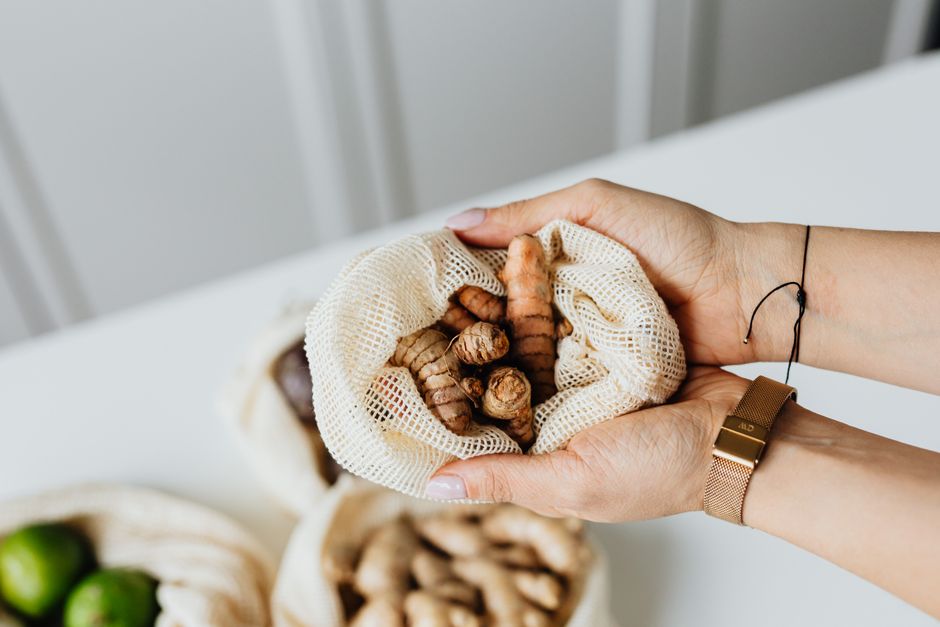
Turmeric stains come out with sunlight, oil, and patience — not with a quick rinse. The yellow pigment in turmeric, curcumin, binds tightly to fabric fibers and porous surfaces, and it gets worse when you attack it with soap and hot water first. The reliable method is to lift the powder off dry, then let sunlight and a mild oil-based approach do the work on what’s left. Most fresh stains fade within a few hours of direct sun; set-in stains may take several rounds over a few days.
Why Turmeric Stains Are So Hard To Remove
Curcumin is a fat-soluble pigment, and that single fact explains almost everything about turmeric stains. Water alone cannot dissolve it. Soap and water can actually push the pigment deeper into the fibers while doing little to break it down.
The pigment also binds strongly to proteins and cellulose. On cotton, linen, and other plant-based fabrics, it can attach at a molecular level within minutes. On skin and porous countertops, the same binding happens, just less permanently.
Heat is the other problem. Hot water, a hot dryer, or an iron will set a turmeric stain the way heat sets a food dye. Once curcumin has been heated into a fabric, removal becomes much harder and sometimes impossible without damaging the material.
One clarification worth knowing: turmeric’s color comes from a family of related compounds called curcuminoids, not a single chemical. That is why some stains look orange, some look deep yellow, and some shift toward brown as they oxidize. The removal approach stays the same.
How To Get Turmeric Stains Out Of Fabric
Act fast, but act gently. The instinct to scrub with soap and hot water is the most common reason a turmeric stain becomes permanent.
Start by shaking or brushing off any dry powder before it contacts moisture. Once powder meets water or sweat, it starts binding to the fibers.
For a fresh stain on washable fabric:
- Blot — do not rub — with a dry paper towel to lift loose pigment.
- Apply a small amount of a mild dish soap or laundry detergent directly to the stain.
- Work it in gently with your fingers, then rinse with cool water.
- If yellow remains, apply a small amount of rubbing alcohol or hand sanitizer to a hidden test area first, then to the stain, and blot.
- Lay the item in direct sunlight for a few hours. Sunlight is one of the most effective and least damaging ways to fade curcumin.
Sunlight works because ultraviolet light breaks down the curcumin molecule over time. This is well established and is why turmeric-stained items left outdoors fade noticeably within a day. It is also why the same stain kept in a drawer can persist for months.
For set-in stains, a paste of baking soda and a little water can help lift pigment from the surface of the fibers. Some people report success with a diluted white vinegar soak, though the evidence for vinegar specifically on curcumin is limited — it works better as a general stain lifter than as a turmeric-specific treatment.
Do not put a turmeric-stained item in a hot dryer until you are certain the stain is gone. Heat sets it. Air dry instead.
How To Get Turmeric Stains Out Of Skin, Nails, And Hands
Turmeric stains on skin fade on their own, usually within a few days to a week. You can speed it up, but you cannot erase it instantly.
The pigment binds to the outer layer of skin, and that layer sheds continuously. That is why the stain fades gradually rather than washing off. Scrubbing hard does not help and can irritate the skin.
What tends to help:
- Oil-based cleansing. Curcumin is fat-soluble, so applying a small amount of cooking oil, olive oil, or coconut oil and massaging it in before washing can lift more pigment than soap alone.
- Lemon juice applied briefly. The acid can help, but citrus on skin increases sun sensitivity, so rinse it off and avoid sun exposure on that area afterward.
- Mild exfoliation over the following days.
Stains under the fingernails are the most stubborn because the pigment lodges in the nail bed and the skin around it. Gentle cleaning under the nails with a soft brush and oil helps, but expect it to take several days.
On the face, avoid harsh scrubs or strong acids. The stain will fade; irritation from aggressive treatment can last longer than the stain itself.
How To Get Turmeric Stains Out Of Countertops, Plastic, And Dishes
Porous surfaces are the tricky ones. Curcumin soaks into the tiny pores in plastic, laminate, and unsealed stone and can stay there for weeks.
On plastic containers and cutting boards, a paste of baking soda and water left on the stain for a while, then scrubbed gently, often helps. Soaking in a mild bleach solution is sometimes used on white plastic, but check that the material tolerates it and never mix bleach with other cleaners.
On sealed countertops, wipe immediately with a damp cloth and a little dish soap. If a stain has set, a baking soda paste or a small amount of rubbing alcohol can help on many surfaces. On natural stone such as granite or marble, avoid acidic cleaners like vinegar and lemon — they can etch the surface. Use a cleaner labeled safe for stone.
Sunlight helps here too. Small plastic items can be placed in direct sun for a few hours to fade.
For dishes and utensils, hot soapy water and normal washing usually handle fresh turmeric. If yellow remains on a white ceramic or glass dish, sunlight will often finish the job.
What Not To Do When Removing Turmeric Stains
Most turmeric stains that become permanent were made permanent by the removal attempt, not the spice.
- Do not use hot water first. It drives the pigment deeper and starts setting it.
- Do not scrub aggressively. You spread the pigment and damage fibers or surfaces.
- Do not put stained fabric in a hot dryer. Air dry until the stain is confirmed gone.
- Do not use bleach on colored fabric without testing — it can remove the dye along with the stain.
- Do not assume soap and water alone will work. Curcumin is fat-soluble, and water-based cleaning has real limits.
A useful rule: treat turmeric like a grease stain, not a juice stain. Oil-based approaches and sunlight do more than water-based scrubbing.
Does Sunlight Really Remove Turmeric Stains?
Yes, sunlight genuinely fades curcumin, and it is one of the better-supported methods for fabric and hard surfaces. Ultraviolet light breaks down the pigment molecule over hours to days of exposure.
The catch is that sunlight also fades fabric dyes over time, so do not leave a colored item in the sun for days on end. A few hours at a time is reasonable. Check the item periodically.
Sunlight is not a fix for a stain that has already been heat-set into fabric. In that case, the pigment has bonded more deeply, and no amount of sun will fully remove it. Prevention — treating stains before heat — matters more than any single removal trick.
Frequently Asked Questions
Does turmeric stain come out of white clothes?
Often, yes, especially if treated before heat is applied. Blot the stain, apply mild detergent, rinse with cool water, and dry in direct sunlight; set-in stains may need several rounds.
How long does turmeric stain last on skin?
Typically a few days to about a week as the outer skin layer sheds. Oil-based cleansing can speed it up, but no method removes it instantly.
Does vinegar remove turmeric stains?
It can help as a general stain lifter, but the evidence for vinegar specifically on curcumin is limited. Sunlight and oil-based methods are better supported for turmeric.
Why did my turmeric stain get worse after washing?
Hot water and soap can push the fat-soluble pigment deeper into fibers, and a hot dryer then sets it. Use cool water and air dry until the stain is gone.
