
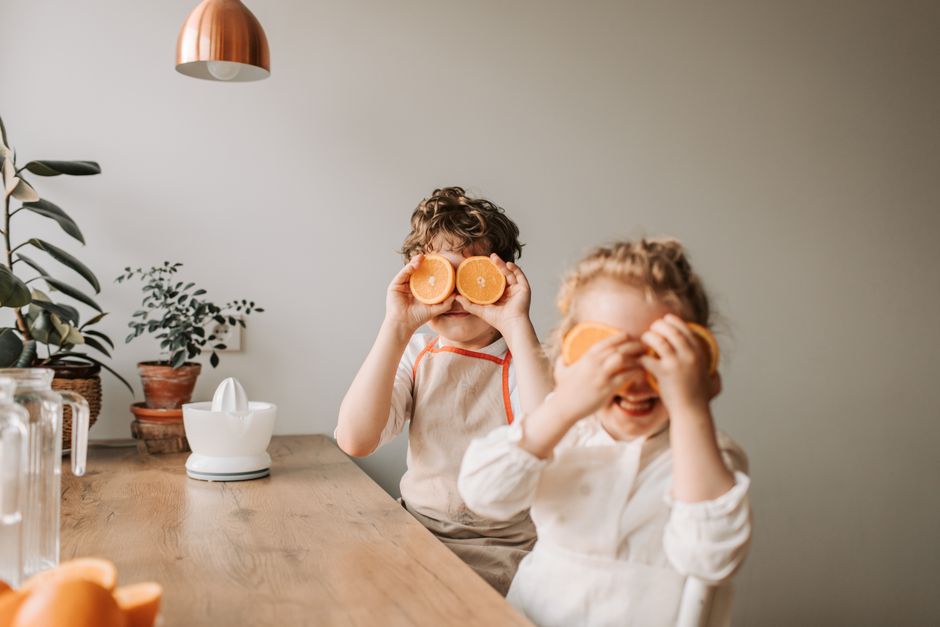
Getting a toddler to try a new food comes down to repetition, low pressure, and letting them stay in control of what goes in their mouth. Most toddlers need to see and touch a new food many times before they eat it, and pressure to take “just one bite” often backfires. The approach with the best support behind it: keep serving the food without a fight, eat it yourself in front of them, and change how it’s offered rather than pushing harder.
Why Do Toddlers Refuse New Foods?
Toddler food refusal is normal development, not a behavior problem. Between roughly ages 1 and 3, children move from rapid growth to slower growth, so their appetite naturally drops. At the same time, they are testing independence and becoming more wary of unfamiliar things — including food.
There is a well-documented biological side to this. Many young children show a wariness of new foods, sometimes called food neophobia, that peaks in the toddler and preschool years. This is thought to be a protective instinct — a small child who is cautious about unknown substances is less likely to eat something harmful. It is not a sign that you are failing, and it is not permanent.
Texture matters as much as taste. A child who happily eats a soft banana may reject a crunchy carrot even if the flavor is mild. Some children are more sensitive to texture, smell, or how a food looks on the plate. This is a real sensory difference, not pickiness for its own sake.
One thing worth separating out: a toddler who eats a narrow range of foods but is growing and healthy is usually in a normal phase. A child who is losing weight, gagging or choking on many textures, or eating fewer than about 20 different foods over time may need a pediatric evaluation. That is a different situation from typical toddler caution.
How Many Times Does a Toddler Need to Try a Food?
More than most parents expect. The widely cited figure in feeding research is that a young child may need to be offered a new food somewhere around 8 to 15 times before accepting it — and some children need more. The exact number varies by child and by food.
This is the single most useful fact for parents, because it reframes “he hates broccoli” as “he’s not there yet.” A food that is rejected on attempt three is not a verdict. It is a data point.
The catch is that the exposure has to be low-pressure to count. Forcing a bite, bribing with dessert, or turning mealtime into a negotiation can make a child associate that food with stress. Research on feeding dynamics consistently finds that pressure to eat tends to reduce a child’s liking of a food over time, not increase it. So the goal is repeated, relaxed exposure — not repeated battles.
What counts as an exposure? Seeing the food on the table, watching you eat it, helping wash or stir it, touching it, licking it, and spitting it out all count. Eating it is the last step, not the first.
What Actually Works: Strategies Backed by Feeding Research
The strategies with the strongest support share one theme: take the pressure off and let the child lead. Here is what the evidence supports.
Offer without forcing. Put a small amount of the new food on the plate next to foods your child already likes. Do not require a bite. Do not comment on whether they eat it. This is often called the “no pressure” approach, and it is the backbone of most clinical feeding guidance.
Repeat calmly. Serve the food again on another day, prepared the same way or a different way. Consistency across weeks is what moves the needle.
Model eating it yourself. Children learn what is safe and good to eat by watching the people around them. Eat the food in front of your toddler and enjoy it without making a show of it. This is one of the more reliable influences on what young children will try.
Keep offering variety, even in small amounts. A toddler’s plate can include one familiar “safe” food and one small portion of something new. This lowers the stakes and keeps new foods in view.
Let them help. Toddlers who help wash vegetables, stir a bowl, or put food on a plate are often more willing to taste what they helped make. The evidence here is more modest than for repeated exposure and modeling, but it is low-risk and fits the “no pressure” principle.
Change the preparation, not the food. A child who rejects steamed broccoli may accept it roasted and crisp, or raw with a dip. Same food, different texture. Offering a food in more than one form increases the chance one works.
Eat together when you can. Family meals where the child sees others eating a range of foods support familiarity. The meal does not need to be elaborate.
What Doesn’t Work (And Can Backfire)
Some common tactics feel intuitive but tend to make toddler food refusal worse. The evidence on feeding dynamics is fairly consistent here.
- Pressure and “one bite” rules. Requiring a bite, or hovering and coaxing, tends to reduce a child’s liking of that food and increase resistance over time.
- Bribing with dessert. “Eat your peas and you get cake” teaches a child that the peas are the unpleasant hurdle and the cake is the reward. It can make the vegetable less appealing, not more.
- Hiding vegetables. Blending vegetables into sauces can add nutrition, but it does not teach a child to accept the vegetable itself. It is a supplement to exposure, not a substitute for it.
- Making a separate meal every time. Short-order cooking removes the chance for a child to see and get used to the family food. A reasonable middle ground is to always include one food you know your child will eat alongside the new one.
- Turning mealtime into a power struggle. Toddlers are wired to test limits. A battle over food is one they can win by simply not eating.
It is also worth being honest about what the research does not settle. Many feeding studies are small, and results vary. No single trick reliably works for every child. The general direction — low pressure, repeated exposure, modeling — is well supported. The specifics of exactly how many tries or which preparation works best for your child are things you learn by watching them.
How Do You Handle a Toddler Who Won’t Eat Anything New?
Start by lowering the temperature of the whole mealtime. If a child senses that eating is a source of tension, refusal often increases. Keep your own manner calm and neutral, and avoid reacting strongly whether the food is eaten or not.
Structure helps. Regular meals and snacks at predictable times, with water available and juice and milk limited so they don’t fill up between meals, give hunger a chance to build. A toddler who is genuinely hungry is more open to trying something new than one who has been grazing all afternoon.
Keep portions small. A few pieces of a new food is less intimidating than a full serving. A large pile of unfamiliar food can shut a cautious eater down before they start.
Separate eating from behavior battles. If your child throws food or refuses loudly, end the meal calmly without a lecture or a substitute snack right away. The goal is to keep food neutral, not to win.
Watch the big picture, not one meal. Toddlers eat unevenly — a big lunch and almost nothing at dinner is common and usually fine over a week. Track growth and overall variety rather than any single sitting.
Know when to get help. Ask your pediatrician if your child is losing weight, is not growing as expected, gags or chokes on many textures, eats a very narrow range of foods that keeps shrinking, or shows strong distress around eating. Feeding difficulties can have medical or sensory causes, and a professional evaluation is the right move rather than more home strategies.
How Long Does It Take for a Toddler to Accept a New Food?
There is no reliable timeline, and anyone who gives you one is guessing. Some children accept a new food after a handful of exposures. Others take many weeks or months. The range is wide and depends on the child, the food, and how it is offered.
What matters more than speed is direction. If your child is slowly becoming more willing to touch, taste, or tolerate new foods over weeks, that is progress even if the plate still comes back full. If things are moving backward — fewer foods accepted over time, weight concerns, or growing distress — that is the signal to involve a pediatrician.
Patience is not passive here. It is the active strategy. The parents who see the most progress are usually the ones who keep offering calmly without making each meal a test.
Frequently Asked Questions
How many times should I offer a new food before giving up?
Plan on offering a new food many times — often somewhere around 8 to 15 exposures — before assuming your child dislikes it. Some children need more, so keep offering calmly across weeks rather than deciding after a few tries.
Should I force my toddler to take one bite?
No. Pressure to eat, including “one bite” rules, tends to make young children like a food less and resist it more over time. Offer the food without requiring a bite and let your child decide.
Is it normal for a toddler to suddenly refuse foods they used to eat?
Yes, this is common and usually a normal phase as toddlers assert independence and become more cautious about unfamiliar things. Keep offering the food without pressure, and talk to your pediatrician if your child is losing weight or the range of foods they accept keeps shrinking.
Can I hide vegetables in my toddler’s food?
You can, and it may add nutrition, but hiding vegetables does not teach a child to accept them. Use it alongside repeated, low-pressure exposure to the vegetable itself rather than as a replacement.
