
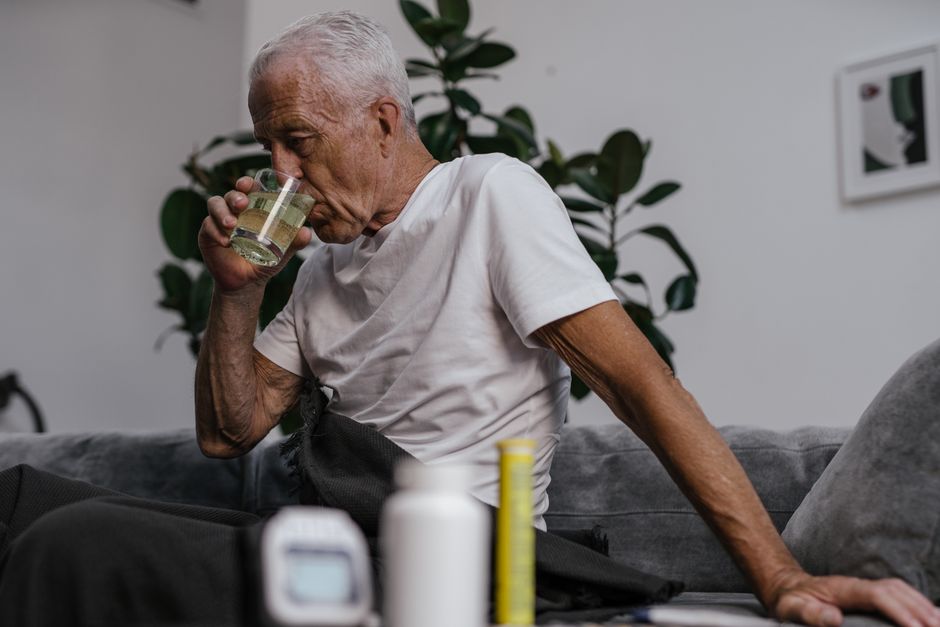
Losing your sense of taste when you’re sick is common, temporary, and usually not a sign of anything serious. In most cases, taste returns on its own within one to two weeks as the underlying illness clears. There is no proven way to force it back faster, but a few evidence-based steps can help you eat comfortably, protect your mouth, and know when to see a doctor.
What most people call “losing taste” is often actually a loss of smell. The two senses are tightly linked, and this distinction matters for how you approach recovery.
Why Does Illness Make Food Taste Like Nothing?
Taste and smell work as a team, and illness usually disrupts the team, not just one player.
Your tongue detects basic tastes: sweet, salty, sour, bitter, and umami. That is the full range of what taste buds can do. Everything else you think of as “flavor” — coffee, garlic, chocolate, mint — comes from your nose. When you chew and swallow, aroma travels up the back of your throat to smell receptors. Block that pathway and food tastes flat, even though your tongue is working fine.
This is why a stuffy nose from a cold or flu flattens flavor. Airborne molecules can’t reach the smell receptors. The taste buds themselves are usually unaffected.
Some viruses, including the one that causes COVID-19, can affect smell more directly. Research indicates the virus can damage support cells in the nasal lining that help smell neurons function. This type of loss can be more pronounced and sometimes lasts longer than a typical cold.
Other causes of taste changes during illness include:
- A dry mouth from mouth breathing, fever, or certain medications
- Reduced saliva, which is needed to dissolve food molecules so taste buds can detect them
- Congestion blocking airflow to smell receptors
- Inflammation in the nasal passages and throat
Knowing which system is involved helps you target the right fix. If your nose is blocked, clearing it will do more for flavor than anything you do to your tongue.
How To Get Taste Back When Sick: Step by Step
These steps focus on removing the blockage and supporting the tissues involved. None of them are guaranteed to speed recovery, but they address the most common reversible causes.
Step 1: Clear your nasal passages. If you’re congested, use a saline nasal rinse or spray. Saline thins mucus and moisturizes the nasal lining. This is one of the few interventions with reasonable supporting evidence for congestion. Follow the package directions and use distilled, sterile, or previously boiled water — never untreated tap water.
Step 2: Try a steam treatment. Breathing in steam from a hot shower or a bowl of hot water may temporarily ease congestion. The evidence for steam is limited, but it is low-risk and many people find it helps. Do not use it for children without supervision because of burn risk.
Step 3: Stay hydrated. Drink water throughout the day. Saliva is essential for taste, and a dry mouth blunts it. If your mouth feels dry, sipping water frequently can help. Sucking on ice chips or sugar-free lozenges can also stimulate saliva.
Step 4: Use a humidifier. Dry indoor air can worsen nasal dryness and congestion. A cool-mist humidifier adds moisture to the air. Clean it regularly to prevent mold and bacteria growth.
Step 5: Try smell training if loss persists. Smell training involves sniffing a small set of distinct scents — often rose, lemon, clove, and eucalyptus — twice daily for several weeks. Some studies suggest it may help recovery after viral smell loss, though results vary and the evidence is not conclusive. It is low-risk and worth discussing with your doctor if loss lasts more than a couple of weeks.
Step 6: Address underlying causes. If you have allergies, treating them may reduce congestion. If a medication seems to be affecting your taste, talk to your doctor before stopping it. Some drugs, including certain antibiotics and blood pressure medications, can alter taste.
These steps are supportive, not curative. Most viral-related taste and smell loss improves on its own. The goal is to remove obstacles and give your body the best conditions to recover.
What Actually Helps and What Doesn’t
Not every popular remedy has evidence behind it. Here is an honest look at what the research supports.
| Approach | Evidence Level | Notes |
|---|---|---|
| Saline nasal rinse | Some evidence for congestion | Low-risk when water is sterile |
| Steam inhalation | Limited evidence | Temporary relief possible; burn risk |
| Hydration | Well-established for saliva | Essential for taste function |
| Smell training | Mixed evidence | May help after viral loss; not proven |
| Zinc supplements | Mixed evidence | Some studies show benefit; others do not |
| Steroid nasal sprays | Limited evidence for smell loss | Sometimes prescribed; not a guaranteed fix |
Zinc is a common home remedy for taste and smell loss. The evidence is mixed. Some studies suggest zinc may help shorten the duration of cold symptoms if taken within 24 hours of onset, but results on taste recovery specifically are inconsistent. High doses of zinc can cause side effects, including nausea and, over time, copper deficiency. Talk to your doctor before taking zinc supplements, especially at high doses.
Steroid nasal sprays are sometimes prescribed for smell loss. The evidence for this use is limited, and they are not a standard first-line treatment for viral taste loss. If your doctor recommends one, follow their guidance.
There is no strong evidence that any supplement, spice, or food reliably restores taste faster. Be skeptical of products marketed for this purpose.




How Long Does Taste Loss Usually Last?
For most common colds and flus, taste and smell return within one to two weeks as congestion clears and inflammation subsides.
With COVID-19, loss of smell and taste can last longer. Some people recover within a few weeks. Others report changes lasting months. A smaller number experience persistent loss beyond that. Research on long-term recovery is ongoing, and estimates vary widely.
If your taste or smell has not improved after two to four weeks, it is reasonable to check in with a doctor. They can rule out other causes and discuss options. If loss is complete and sudden — especially without congestion — seek medical attention promptly. Sudden loss of smell can sometimes indicate a neurological issue or other condition that needs evaluation.
Other reasons to see a doctor include:
- Taste changes that persist beyond a few weeks
- Loss of smell without any nasal congestion
- Other neurological symptoms, such as weakness or confusion
- Taste changes that started after a new medication
When Taste Changes Are Not From a Cold
Not all taste changes come from a respiratory infection. Several other conditions can affect taste, and they may need different treatment.
Medications are a common culprit. Some antibiotics, blood pressure drugs, antidepressants, and chemotherapy agents can alter taste. If you notice a change after starting a new medication, tell your doctor. Do not stop the drug on your own.
Nutritional deficiencies can play a role. Zinc and vitamin B12 deficiencies are both associated with taste changes. A doctor can test for these if there is reason to suspect them.
Other possible causes include:
- Head injury that damages smell nerves
- Nasal polyps or chronic sinusitis
- Oral health problems, such as gum disease or thrush
- Neurological conditions, including Parkinson’s disease and Alzheimer’s disease
- Acid reflux, which can bring stomach acid into the mouth
- Smoking, which dulls taste and smell over time
If taste changes are persistent or unexplained, a medical evaluation can help identify the cause. Some of these conditions are treatable, and early diagnosis matters.
Eating When Food Tastes Wrong
When taste is dulled or distorted, eating can become a chore. Nutrition still matters, especially when you’re recovering from illness.
Focus on foods with strong flavors and varied textures. Spices, herbs, citrus, and vinegar can add interest when taste is muted. Some people find cold foods easier because they have less aroma, while others prefer warm foods. Experiment to see what works for you.
If food tastes metallic or bitter, try different proteins. Some people tolerate poultry or eggs better than red meat during recovery. Dairy can sometimes taste off. There is no single rule — individual experiences vary.
If you are losing weight or struggling to eat enough, talk to a doctor or dietitian. They can help you meet your nutritional needs while your taste recovers.
Frequently Asked Questions
How long does it take for taste to come back after being sick?
For most common colds and flus, taste returns within one to two weeks as congestion clears. COVID-19-related loss can last longer, sometimes weeks to months, and recovery times vary widely.
Does smell training really work for taste loss?
Some studies suggest smell training may help recovery after viral smell loss, but the evidence is mixed and not conclusive. It is low-risk and worth trying if loss persists, ideally after talking with your doctor.
Can I speed up taste recovery with supplements?
There is no strong evidence that any supplement reliably restores taste faster. Zinc has shown mixed results, and high doses can cause side effects. Talk to your doctor before taking supplements.
When should I see a doctor for taste loss?
See a doctor if taste or smell loss lasts more than two to four weeks, if it happens suddenly without congestion, or if you have other symptoms like weakness or confusion. These signs may point to a cause that needs evaluation.
