
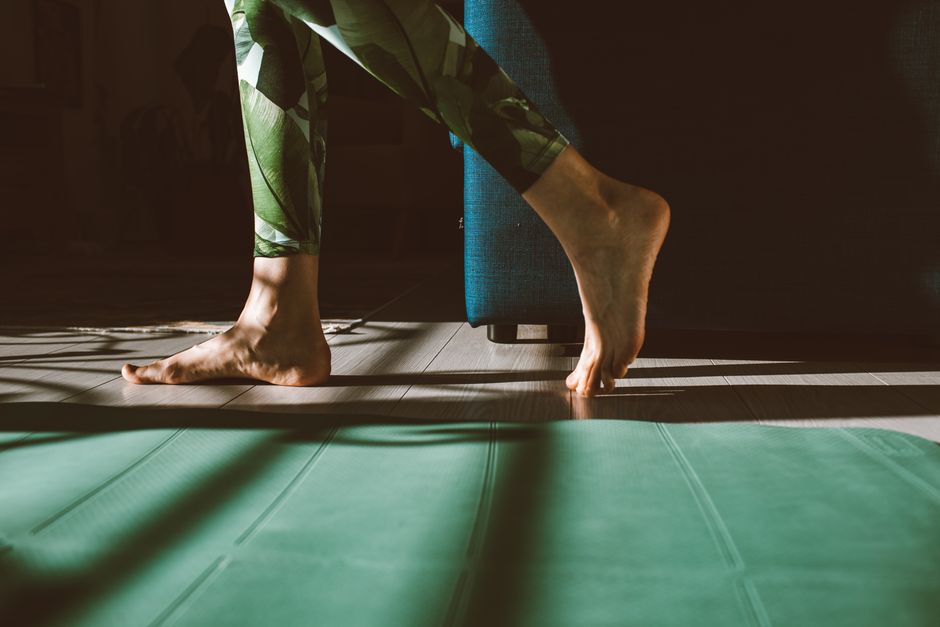
Swelling in the legs and ankles usually comes from fluid collecting in the tissues, and the fastest way to reduce it at home is to elevate your legs above the level of your heart, move your ankles and feet, and cut back on salt for a day or two. If the swelling is mild and you are otherwise healthy, these steps often bring visible relief within hours. If one leg is swollen and painful, or you are short of breath, that is a medical emergency and not something to treat at home.
What Causes Swelling In The Legs?
Swelling in the legs and ankles has a medical name: peripheral edema. It happens when fluid leaks out of your blood vessels into the surrounding tissue faster than your body can drain it back.
Several things control that balance. Your veins push blood back up to your heart. Your kidneys manage how much salt and water your body holds. Your heart keeps blood circulating. When any of these systems are under strain, fluid can pool in the lowest parts of your body — your feet, ankles, and lower legs.
Common causes include:
- Standing or sitting in one position for long stretches
- Too much salt in your diet
- Being overweight
- Pregnancy
- Certain medications, including some blood pressure drugs, steroids, and diabetes medicines
- Varicose veins or vein damage
- Heart, kidney, or liver conditions
- An underactive thyroid
Some of these are harmless and temporary. Others need a doctor’s attention. The pattern matters — swelling in both legs that comes and goes is usually less concerning than swelling in one leg that appears suddenly.
How To Get Swelling Out Of Legs Fast At Home
These steps work best for mild swelling from long standing, sitting, or a salty meal. They are not a substitute for medical care if something more serious is going on.
Elevate your legs. Lie down and prop your legs on pillows so your feet sit higher than your heart. Gravity helps fluid drain back toward your body. Keep them up for 30 minutes at a time, several times a day. This is one of the simplest and most effective things you can do.
Move your ankles and feet. Point your toes down, then pull them up toward your shins. Circle each ankle. Do this every 20 to 30 minutes when you are sitting. Your calf muscles act like a pump that pushes blood and fluid back up your legs. When you sit still for hours, that pump stops working.
Walk. Even a short walk gets your calf muscles working. If you have been sitting or standing all day, a 10-minute walk can help move fluid out of your lower legs.
Wear compression socks. These apply gentle pressure to your legs and help push fluid back toward your heart. Over-the-counter compression stockings are widely sold, but the fit and pressure level matter. Ask a pharmacist or your doctor what level is right for you, since the wrong fit can make things worse.
Cut back on salt. Sodium makes your body hold onto water. For a day or two, skip processed foods, canned soups, salty snacks, and restaurant meals. Check labels — salt hides in foods you would not expect.
Stay hydrated with water. Drinking enough water helps your body balance fluid levels. This sounds backward when you are retaining water, but your body holds onto fluid when it thinks it is running short.
Massage your legs. Gently stroking from your feet toward your heart can help move fluid. Use light pressure and move in one direction. Avoid deep massage if you have a blood clot, varicose veins, or a heart condition, since that can be dangerous.
What Should You Avoid If Your Legs Are Swollen?
Some common habits make swelling worse without you realizing it.
- Sitting or standing in one spot for hours without moving
- Wearing tight shoes, tight socks, or clothing that presses into your legs
- Eating high-salt meals, especially late at night
- Crossing your legs for long periods
- Drinking large amounts of alcohol, which affects fluid balance
If you take medication for blood pressure, diabetes, or another condition, do not stop it on your own because you think it is causing swelling. Talk to your doctor first. Some drugs cause fluid retention, but stopping them suddenly can be more dangerous than the swelling itself.




When Is Leg Swelling A Medical Emergency?
Most leg swelling is not an emergency. Some is. Knowing the difference can save your life.
Call emergency services right away if you have:
- Swelling in one leg, especially with pain, warmth, or redness
- Sudden shortness of breath or chest pain
- Coughing up blood
- Swelling that comes on fast and spreads
Swelling in one leg with pain or warmth can be a deep vein thrombosis — a blood clot in a deep vein. If that clot breaks loose, it can travel to your lungs, which is life-threatening. This is not something to treat at home.
See a doctor soon, but not necessarily in an emergency, if you have:
- Swelling in both legs that keeps getting worse
- Swelling that does not improve with elevation and rest
- Swelling with weight gain, tiredness, or trouble breathing when lying flat
- Swelling along with less urine output
- Swelling that starts after a new medication
These patterns can point to heart, kidney, liver, or thyroid problems that need diagnosis and treatment. Home remedies will not fix the underlying cause.
Does Drinking More Water Help With Swelling?
Yes, in many cases. When your body is low on water, it holds onto sodium and fluid, which can show up as swelling. Drinking enough water helps your kidneys flush out extra sodium.
That said, water is not a treatment for swelling caused by heart or kidney disease. If your doctor has told you to limit fluids, follow that advice. Do not increase your water intake to fix swelling without checking with your doctor first.
How Long Does It Take For Leg Swelling To Go Down?
Mild swelling from standing, sitting, or a salty meal often improves within a few hours of elevating your legs and moving around. Swelling from pregnancy or a long flight usually settles within a day or two.
Swelling caused by a medical condition, a medication, or vein damage may not go away on its own. It can improve with treatment, but the timeline depends on the cause. If swelling lasts more than a few days despite home care, or keeps coming back, get it checked.
Can You Prevent Leg Swelling?
Often, yes. The same habits that reduce swelling can help prevent it.
- Get up and move every hour if you sit or stand for long periods
- Keep your salt intake moderate
- Stay active most days of the week
- Wear well-fitting shoes and loose socks
- Put your feet up when you rest
- Wear compression stockings if your doctor recommends them, especially on long trips
If you are on a long flight or car ride, flex your ankles and walk the aisle or take breaks when you can. This keeps your calf pump working and lowers your risk of a clot.
When Home Remedies Are Not Enough
Home care handles mild, temporary swelling well. It does not fix swelling caused by disease or medication.
If your legs stay swollen, or the swelling keeps returning, see a doctor. They can check your heart, kidneys, liver, and thyroid, review your medications, and look at your veins. Treatment depends entirely on what is causing the fluid buildup. Sometimes the fix is adjusting a medication. Sometimes it is treating a condition you did not know you had.
Do not assume swelling is harmless just because it does not hurt. Painless swelling can still be a sign of something serious.
Frequently Asked Questions
How do I get swelling out of my legs fast at home?
Elevate your legs above heart level, move your ankles and feet, and cut back on salt for a day or two. These steps often reduce mild swelling within hours.
When should I worry about swollen legs?
Worry if swelling is in one leg only, comes on suddenly, or comes with pain, warmth, redness, or shortness of breath. Those signs can mean a blood clot and need emergency care.
Does walking help swollen legs?
Yes, walking helps because your calf muscles pump fluid back toward your heart. Even a short walk can reduce mild swelling from sitting or standing too long.
Can dehydration cause swollen legs?
Yes, not drinking enough water can make your body hold onto sodium and fluid, which can cause swelling. Drinking enough water helps your kidneys flush out extra sodium.
