
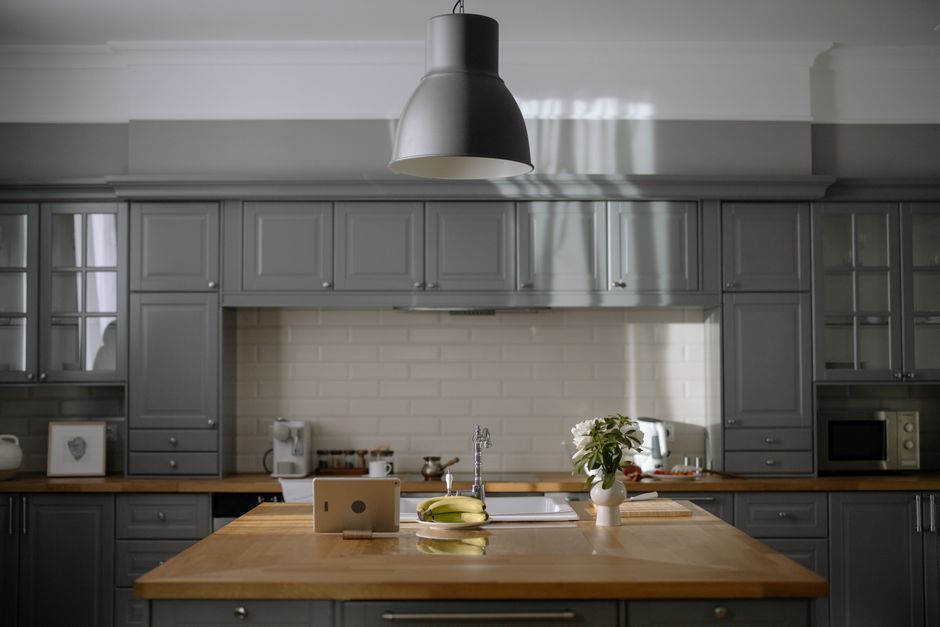
Super glue bonds fast and holds tight, but it does not actually fuse with most countertop surfaces. On granite, quartz, laminate, and sealed stone, cured cyanoacrylate sits mostly on top of the surface and can be removed with acetone, gentle scraping, or a warm water soak — no harsh scrubbing required.
The trick is matching the method to your countertop material. Acetone works well on stone and laminate but can dull some finished woods and certain plastics. Heat softens the bond but too much heat can crack stone or warp laminate. The right approach removes the glue without leaving a scratch, a stain, or a cloudy patch behind.
What Is Super Glue Actually Made Of?
Super glue is cyanoacrylate, a fast-curing acrylic resin. It stays liquid only until it meets moisture — even the tiny amount of water vapor in the air is enough. That moisture triggers a chemical reaction called polymerization, where small molecules link into long chains and harden into a solid plastic bond.
This matters for removal because the bond is chemical, not mechanical. You are not prying apart two surfaces that melted together. You are breaking down or softening a thin layer of cured plastic that is stuck to your counter. Once you understand that, the removal options make more sense.
Cyanoacrylate bonds strongly to skin because skin is always slightly moist. It bonds less aggressively to non-porous surfaces like polished stone or sealed laminate. On those surfaces, the glue often sits as a raised bump or a thin film rather than soaking in.
Porous surfaces are a different story. Unsealed stone, raw wood, and some tiles have tiny openings that liquid glue can seep into before it cures. Once cured inside those pores, removal becomes much harder. This is why sealing a porous countertop matters, and why a spill on an unsealed surface needs attention fast.
How To Get Super Glue Off Countertops Without Damage?
Acetone is the most reliable remover for cured cyanoacrylate, and it is the active ingredient in most nail polish removers. It dissolves the cured glue without attacking granite, quartz, or most sealed stone. Apply it to a cloth, press the cloth onto the glue, and give it a minute to work before wiping.
Here is the step-by-step method that works on most hard, non-porous countertops:
- Scrape off any raised glue first with a plastic scraper or an old credit card. Never use a metal blade on stone or laminate.
- Soak a cotton ball or cloth in acetone. Press it onto the glue spot and hold it there for about a minute.
- Wipe with the cloth. If glue remains, repeat. Cured glue sometimes needs two or three rounds.
- Rinse the area with warm soapy water and dry it.
- If a dull spot is left behind, that is usually residue, not damage. A stone-safe cleaner usually removes it.
For larger spills, work in sections rather than flooding the whole area with acetone. Acetone evaporates quickly, so a soaked cloth pressed against the glue is more effective than a puddle that dries before it works.
Heat is the backup method when you cannot use acetone. Warm — not hot — water and a few drops of dish soap can soften the bond enough to lift it with a plastic scraper. A hair dryer on its lowest setting held several inches away can also help. Keep the heat gentle and keep it moving. Concentrated heat can crack natural stone and warp laminate, so this method needs patience rather than power.
Which Removal Method Works On Which Countertop?
Not every method is safe on every surface. Acetone is aggressive toward some finishes and plastics, so check your material before you start. The table below reflects general material properties rather than a guarantee for your specific countertop.
| Countertop Material | Acetone | Gentle Heat | Plastic Scraper |
|---|---|---|---|
| Granite (sealed) | Generally safe | Use with care | Safe |
| Quartz (engineered) | Generally safe, test first | Use with care | Safe |
| Laminate | Test first — can dull finish | Low heat only | Safe |
| Butcher block / wood | Avoid — strips finish | Safe | Safe |
| Stainless steel | Generally safe | Safe | Safe |
| Marble | Avoid — can etch surface | Use with care | Safe |
Marble deserves a specific warning. It is a calcium-based stone, and acetone and other solvents can dull or etch its polished surface. On marble, start with warm soapy water and a plastic scraper, and only move to a solvent if the glue will not budge. Even then, test on a hidden spot first.
Engineered quartz is generally more resistant than natural stone, but some quartz products contain resins that react to acetone. Always test a small, out-of-the-way area before applying acetone to a visible spot.





What Should You Never Use On A Countertop?
Metal tools are the most common cause of countertop damage during glue removal. A razor blade, a butter knife, or a metal scraper can gouge granite, scratch quartz, and slice through laminate in a single stroke. The glue may come off, but the scratch stays. Stick to plastic scrapers, credit cards, or a fingernail.
Steel wool and abrasive pads cause similar problems. They leave fine scratches that dull the finish and trap dirt over time. On polished stone, those scratches are permanent unless a professional re-polishes the surface.
Strong solvents beyond acetone are usually overkill and riskier. Paint thinner, lacquer thinner, and similar products can damage sealants and finishes far more than they help with a small glue spot. There is rarely a reason to reach for them.
One more thing to avoid: scraping while the glue is still soft. Fresh, uncured glue smears and spreads. Let it cure fully, then remove it as a solid. Counterintuitive, but it makes the job easier.
Does The Age Of The Glue Change The Method?
Fresh glue is easier to remove than old glue, but not for the reason most people assume. A fresh spill that has just cured is a thin, brittle film. It often lifts with a plastic scraper alone. Glue that has been on the surface for weeks or months has had time to bond more fully and can be harder to soften.
For older spots, extend the acetone soak time. Instead of one minute, hold the soaked cloth in place for several minutes and cover it with plastic wrap to slow evaporation. This keeps the solvent working against the glue rather than disappearing into the air.
If an old spot still will not come off after repeated attempts, that is a sign the glue has bonded into a porous surface or under a sealant. At that point, a professional stone or surface restorer may be the safer choice than escalating your own efforts, which risks turning a small glue spot into permanent surface damage.
Can You Prevent Super Glue Spills In The First Place?
Most countertop glue accidents happen because the tube was squeezed too hard or the cap was left off. A few habits reduce the risk. Store super glue upright with the cap sealed tight. Wipe the nozzle before replacing the cap so it does not glue itself shut. Work over a paper towel or a disposable mat when using it near a countertop.
If you are doing a repair near a porous countertop, cover the surrounding area with plastic wrap or painter’s tape first. This creates a barrier so any drip lands on something disposable rather than on the stone itself.
Keeping a small bottle of acetone-based nail polish remover on hand is also practical. It is the same solvent that removes the glue, and having it nearby means you can deal with a spill before it fully cures.
Frequently Asked Questions
Does acetone damage granite countertops?
Acetone is generally safe on sealed granite and does not etch the stone itself. It can strip the sealer over repeated use, so resealing after a large spill is a reasonable step.
Can I use vinegar to remove super glue from a countertop?
Vinegar is not an effective solvent for cured cyanoacrylate and will not break the bond. Warm soapy water and a plastic scraper are more useful if you want to avoid acetone.
Will hot water alone remove super glue?
Hot water can soften the bond enough to help a plastic scraper lift the glue, but it rarely removes cured glue on its own. Combine it with gentle scraping rather than expecting the water to dissolve the glue.
What if the glue is stuck in a scratch or seam on my countertop?
Glue that has seeped into a seam or scratch is much harder to remove because the solvent cannot reach it evenly. In that case, a professional surface restorer is often the safer option than repeated scraping.
