
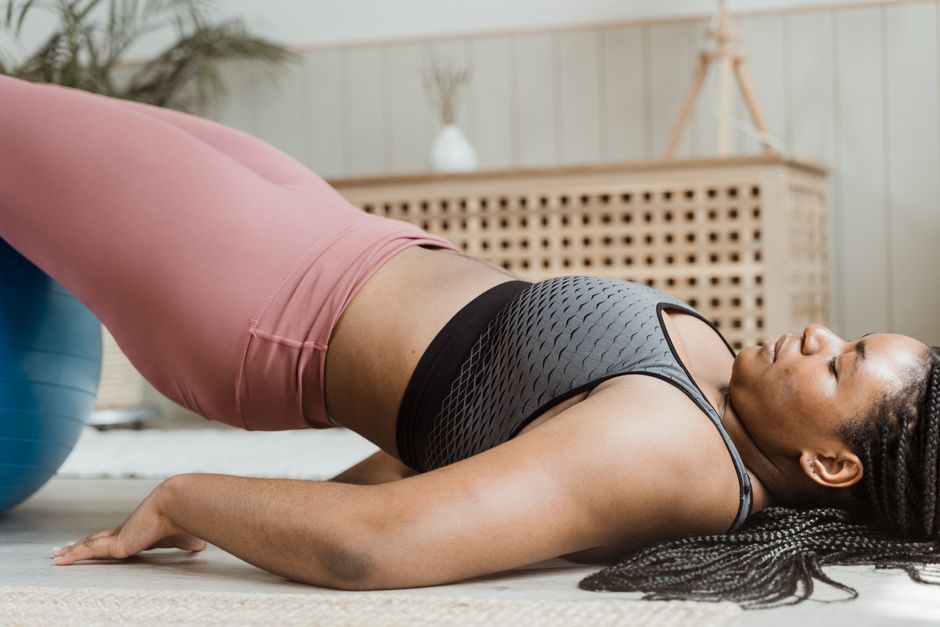
Stronger hips are about more than looking good in jeans. They are the foundation for walking, climbing stairs, getting out of a chair, and staying balanced as you age. Weak hips can lead to lower back pain, knee problems, and a higher risk of falls. The exercises that actually work target the glutes, the deep hip rotators, and the muscles around your pelvis. You do not need fancy equipment. You need consistency and correct form.
Why Do Hip Strength and Mobility Matter So Much?
Your hip joint is one of the largest and most stable joints in the body. It connects your upper body to your lower body. When the muscles around it are weak, other parts of your body compensate. Your lower back takes on extra load. Your knees twist inward. Your balance suffers.
Research consistently shows that hip weakness is linked to chronic low back pain. A 2019 review in the Journal of Orthopaedic & Sports Physical Therapy found that strengthening hip muscles reduced pain and improved function in people with lower back issues. The hip muscles — especially the gluteus medius — keep your pelvis level when you walk or run. If that muscle is weak, your pelvis drops on one side, putting stress on your spine and knees.
Hip strength also matters for fall prevention. Falls are a leading cause of injury in adults over 65. Strong hip muscles help you catch yourself, shift your weight, and recover your balance. Building strength now is an investment in your future independence.
What Are the Best Exercises for Hip Strength?
The most effective exercises are compound movements that use multiple joints and muscles at once. They also include single-leg exercises that force your hips to work asymmetrically — the way they do in real life.
Here are the exercises with the strongest evidence behind them:
- Squats. Squats work your glutes, quadriceps, and hamstrings. They build overall lower body strength. Bodyweight squats are a good start. Adding weight as you get stronger is the natural progression.
- Deadlifts. Deadlifts target your posterior chain — the glutes, hamstrings, and lower back. They teach your hips to hinge, which is a movement pattern you use every time you bend down to pick something up.
- Hip thrusts. Hip thrusts isolate the glutes more directly than squats. You rest your upper back on a bench, place a weight on your hips, and drive through your heels to lift your hips toward the ceiling. This exercise builds glute strength effectively.
- Lunges. Lunges are single-leg exercises that challenge your balance and build strength in each hip independently. They also improve stability in your ankles and knees.
- Side-lying leg raises. This exercise targets the gluteus medius, a muscle that is often neglected. Lie on your side, keep your legs straight, and lift your top leg toward the ceiling. It looks simple but burns quickly.
- Clamshells. Clamshells work the deep hip rotators. Lie on your side with your knees bent at a 45-degree angle. Keep your feet together and open your top knee like a clamshell. This strengthens the muscles that stabilize your pelvis.
How Often Should You Train Your Hips?
For most people, two to three sessions per week is enough to build strength. Your muscles need time to recover between sessions. Training the same muscles every day does not speed up results — it increases your risk of injury.
A typical session might last 20 to 30 minutes. Start with a warm-up that includes light movement like walking or leg swings. Then move into your main exercises. Aim for 2 to 3 sets of 8 to 12 repetitions for each exercise. The last few repetitions should feel challenging but not impossible.
If you are new to strength training, start with bodyweight exercises. Once you can complete all sets and reps with good form, add resistance. This could mean holding dumbbells, using a resistance band, or using a barbell. Progressive overload — gradually increasing the weight or reps over time — is what drives muscle growth and strength gains.
Consistency beats intensity. Doing 20 minutes twice a week consistently will produce better results than a two-hour session once a month.





What Is the Difference Between Hip Strength and Hip Mobility?
Strength and mobility are not the same thing. Strength is the ability of your muscles to generate force. Mobility is the range of motion available at a joint. You can have strong hips with poor mobility, or flexible hips with poor strength.
Both matter. A hip joint that moves through its full range of motion is less likely to get injured. But mobility without strength leaves you unstable. The goal is strength through a full range of motion — not just flexibility.
For most people, a simple mobility routine is enough. Hip circles, leg swings, and deep squats held for a few seconds can improve range of motion. The key is to move through the motion without pain. If something hurts, stop and check your form.
Some research suggests that stretching before exercise does not prevent injury and may reduce performance. A better approach is a dynamic warm-up — moving your joints through their range of motion rather than holding static stretches. Save deep stretching for after your workout or on rest days.
How To Get Stronger Hips Exercises That Actually Work: A Sample Routine
Here is a simple routine you can do at home with minimal equipment. It covers the major hip movements: squatting, hinging, lunging, and lateral movement.
Warm-up (5 minutes): March in place for 2 minutes. Do 10 leg swings per leg. Do 10 hip circles in each direction.
Main workout (20 minutes):
- Bodyweight squats — 3 sets of 10 to 15 reps
- Glute bridges — 3 sets of 12 to 15 reps
- Reverse lunges — 3 sets of 8 to 10 reps per leg
- Side-lying leg raises — 3 sets of 12 to 15 reps per side
- Clamshells — 3 sets of 12 to 15 reps per side
Rest 60 to 90 seconds between sets. If an exercise feels too easy, add resistance. Hold a dumbbell for squats or lunges. Use a resistance band for leg raises and clamshells. The goal is to feel muscle fatigue by the last few reps.
This routine takes about 25 minutes. Do it two to three times per week on non-consecutive days.
What Mistakes Keep People From Getting Results?
The most common mistake is using momentum instead of muscle. Swinging your legs or bouncing through squats takes the work off your muscles and puts it on your joints. Move slowly and with control. If you cannot control the movement, reduce the weight or range of motion.
Another mistake is neglecting the gluteus medius. This muscle sits on the side of your hip and keeps your pelvis level. Many people focus on squats and lunges, which work the gluteus maximus, but skip the lateral exercises. Side-lying leg raises and clamshells may feel small, but they are essential for hip stability.
Poor form is also a problem. In squats, your knees should track over your toes. In lunges, your front knee should stay above your ankle. In hip thrusts, your chin should stay tucked and your ribs down. If you are unsure about your form, consider working with a physical therapist or certified trainer for a few sessions.
Finally, people give up too soon. Strength gains take time. You may notice improvements in balance and daily activities within a few weeks, but visible muscle changes typically take 8 to 12 weeks of consistent training. Do not judge your progress by the mirror alone.
When Should You See a Professional?
If you have hip pain that lasts more than a few days, see a healthcare provider. Pain is different from muscle soreness. Soreness usually appears a day after exercise and fades within 48 hours. Pain during exercise or sharp pain afterward is a sign to stop.
People with hip osteoarthritis, previous hip surgery, or chronic back pain should talk to their doctor or physical therapist before starting a new exercise program. A professional can adapt exercises to your specific situation. Some exercises may need to be modified or avoided entirely.
There is no evidence that any single exercise “fixes” hip problems. A well-rounded program that includes strength, mobility, and balance training is your best approach. If something hurts, listen to your body. Pushing through pain is not strength — it is injury waiting to happen.
Frequently Asked Questions
How long does it take to strengthen weak hips?
Most people notice improved stability and less pain within 4 to 6 weeks of consistent training. Visible muscle changes typically take 8 to 12 weeks.
Can I strengthen my hips without equipment?
Yes. Bodyweight squats, lunges, glute bridges, and side-lying leg raises are all effective no-equipment options. Add resistance bands or dumbbells when these become easy.
Are squats bad for your hips?
No. Squats are safe for healthy hips when performed with proper form. People with existing hip conditions should consult a professional before adding weighted squats.
How many days a week should I do hip exercises?
Two to three days per week is ideal for most people. This gives your muscles time to recover and rebuild between sessions.
