
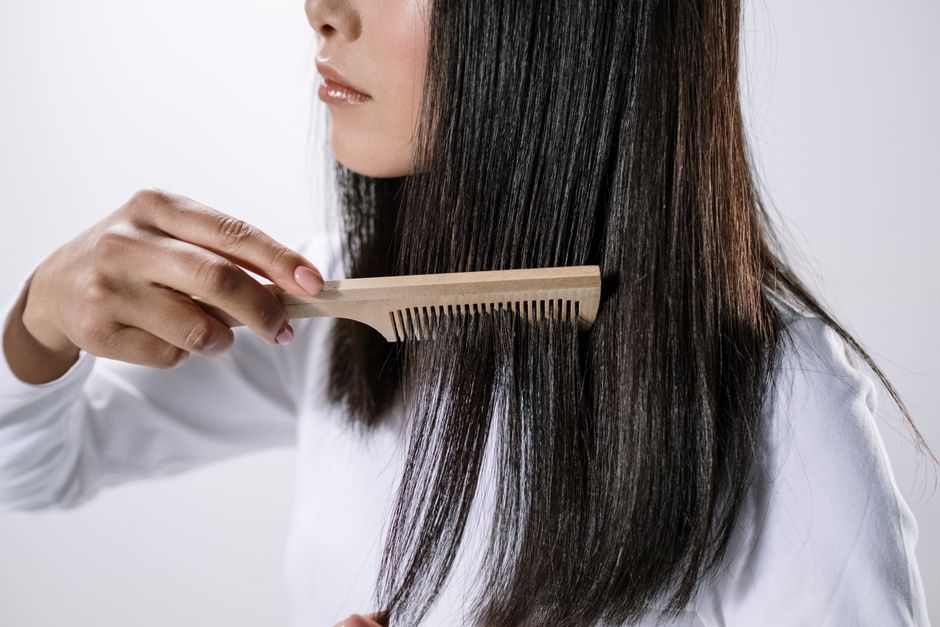
To get straight hair, you can use heat styling tools like a flat iron or blow dryer, apply chemical relaxers, or get professional keratin treatments. Heat methods are temporary and last until your next wash, while chemical treatments permanently alter the hair structure. The right choice depends on your hair type, texture, and how much change you want. Always prioritize hair health—use heat protectants, avoid excessive high heat, and consult a professional for chemical services.
How To Get Straight Hair? Step By Step
The process of straightening hair involves physically or chemically breaking and reforming the bonds that give hair its natural wave or curl. Heat styling temporarily rearranges hydrogen bonds, while chemical relaxers break disulfide bonds permanently. Understanding these mechanisms helps you choose a method that fits your hair and lifestyle.
First, assess your hair type. Fine, color-treated, or damaged hair requires gentler methods like low-heat flat ironing or keratin smoothing. Coarse or very curly hair may need stronger chemical relaxers or professional Japanese straightening. Always do a strand test before any full treatment.
What Are the Main Methods for Straightening Hair?
There are four broad categories of hair straightening: heat styling, chemical relaxing, keratin-based smoothing, and permanent thermal reconditioning (Japanese straightening). Each works differently and has different risks.
Heat styling includes using a flat iron, blow dryer with a round brush, or hot combs. Results are temporary—usually lasting until the next shampoo. Chemical relaxers are lye-based or no-lye formulas that permanently straighten hair by breaking protein bonds. Keratin treatments coat the hair with a protein solution that seals in heat, reducing frizz and adding shine, but they do not fully straighten very curly hair. Japanese straightening, also called thermal reconditioning, uses a combination of chemicals and heat to permanently restructure the hair.
| Method | Duration | Best For | Major Risks |
|---|---|---|---|
| Flat iron / Blow dry | Until next wash | Fine to medium hair | Heat damage, breakage |
| Chemical relaxer | 6–8 weeks (new growth) | Coarse, tightly curly hair | Chemical burns, breakage, hair loss |
| Keratin smoothing | 3–5 months | Frizzy, wavy hair | Formaldehyde exposure (some formulas), heat damage |
| Japanese straightening | Permanent until new growth | Medium to coarse hair | High chemical strength, hair breakage, expensive |
How Does Heat Straightening Work and What Are the Risks?
Heat styling temporarily relaxes the hydrogen bonds inside hair. When you apply a flat iron at temperatures above 300°F, the moisture in the hair evaporates, and the bonds reform in a straighter shape as the hair cools. Without moisture, the hair remains straight until you wash it or expose it to high humidity.
The main risk is heat damage. Repeated use of high heat without a protectant can melt the hair’s protein structure, leading to brittleness, split ends, and breakage. Some studies suggest that flat iron temperatures above 400°F can cause significant structural damage even with protectants. To reduce risk: always use a heat protectant spray, keep the temperature as low as your hair allows (typically 300–350°F for fine hair), and limit straightening to once or twice a week.
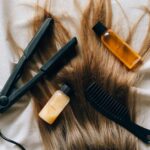

What Are Chemical Straightening Treatments?
Chemical straighteners break the disulfide bonds in hair, permanently altering its curl pattern. The two main types are lye relaxers (sodium hydroxide) and no-lye relaxers (calcium hydroxide or guanidine carbonate). Lye relaxers are stronger and work faster, but they can irritate the scalp more. No-lye relaxers are milder but often leave a calcium residue that can make hair feel dry.
Professional application is strongly recommended. At-home kits carry high risk of chemical burns, uneven straightening, and hair breakage if left on too long. Even salon treatments require careful timing and post-treatment conditioning. Chemical relaxers do not wash out; only new hair growth will have its original curl pattern.
Some keratin treatments contain formaldehyde or formaldehyde-releasing preservatives. The U.S. Occupational Safety and Health Administration (OSHA) has issued warnings about formaldehyde exposure in salon settings. If you choose a keratin treatment, ask your stylist about formaldehyde-free options and ensure proper ventilation.
Are There Natural Ways to Straighten Hair?
Many websites claim that coconut milk, aloe vera, or milk can straighten hair naturally. The clinical evidence for these claims is extremely limited. No rigorous human studies show that any natural ingredient permanently changes curl pattern. Some may temporarily smooth the hair cuticle, reducing frizz, but that is not the same as straightening.
Avoid any “natural” recipe that uses high-heat styling without a protectant, because that still damages hair. Air-drying hair in a tight braid or using large rollers can create a looser, smoother appearance, but this is a styling technique, not permanent straightening. If your goal is to reduce curl without chemicals or high heat, a gentle blow-dry with a round brush on low heat and cool air may offer a acceptable compromise.
How to Choose the Right Method for Your Hair Type?
Hair thickness, porosity, and previous chemical treatments determine which method is safe. Fine, thin hair is more prone to breakage from chemical relaxers and high heat. A low-temperature flat iron or a gentle keratin treatment may be suitable. Coarse, thick hair can tolerate stronger methods like Japanese straightening or relaxers, but still needs regular deep conditioning.
If your hair is color-treated or highlighted, chemical processes can cause unexpected reactions—breaks, discoloration, or overprocessing. Always wait at least two weeks after coloring before any straightening treatment. For all hair types, perform a patch test and strand test 48 hours before full application.
Consult a licensed hairstylist who specializes in straightening treatments. They can assess your hair’s health and recommend the least damaging option. Do not rely solely on online videos or product labels.
What Steps Should You Follow for Safe Straightening?
- Prep your hair: Wash and dry it completely. For heat styling, hair must be 100% dry to avoid steam burns and damage. For chemical treatments, follow the product’s specific instructions—often the hair should not be washed beforehand.
- Section your hair: Divide into small sections (about 1-inch wide) to ensure even heat or chemical coverage.
- Apply protectant: Use a heat protectant spray or serum before any heat tool. For chemical relaxers, apply a petroleum-based barrier cream along the scalp to reduce irritation.
- Work systematically: Start at the nape of the neck and move upward. Do not pass the flat iron over the same section more than twice.
- Cool down: Let hair cool completely before brushing or touching. This sets the bonds.
- Aftercare: For heat style, avoid washing your hair for at least 24 hours. For chemical treatments, wait 48–72 hours before shampooing, and use sulfate-free, moisturizing products.
What Are the Long-Term Effects of Repeated Straightening?
Repeated heat and chemical treatments increase the risk of hair thinning, breakage, and permanent damage. The hair may lose elasticity and become brittle over time. Chemical relaxers can also cause scalp burns and, in rare cases, scarring alopecia (hair loss from damaged follicles).
Some research suggests an association between long-term use of chemical hair straighteners and uterine cancer, particularly among Black women. A 2022 study from the National Institutes of Health found that women who used chemical straighteners more than four times a year had a higher risk of uterine cancer. The study did not prove causation, but it is an important consideration. If you use relaxers, discuss this risk with your doctor.
To minimize long-term damage, give your hair breaks between treatments. Alternate between heat styling and air-drying. Use protein treatments and deep conditioners regularly. If you notice excessive shedding or breakage, stop straightening and seek professional advice from a dermatologist.
Frequently Asked Questions
Can I get straight hair without heat or chemicals?
You cannot permanently straighten hair without heat or chemicals. However, air-drying in a braid or using large rollers can create a smoother, looser curl that may appear straighter.
How long does a chemical relaxer last?
A chemical relaxer permanently straightens the hair shaft, but new growth appears at the roots in about 6 to 8 weeks. You need touch-ups only on the regrowth, not the entire length.
Is Japanese straightening safe for all hair types?
No. Japanese straightening is very strong and can damage fine, color-treated, or previously damaged hair. It is best suited for medium to coarse hair that has not been chemically processed.
Does keratin treatment make hair completely straight?
No. Keratin treatments reduce frizz and loosen waves, but they do not fully straighten very curly or coily hair. They are better described as smoothing treatments.
