
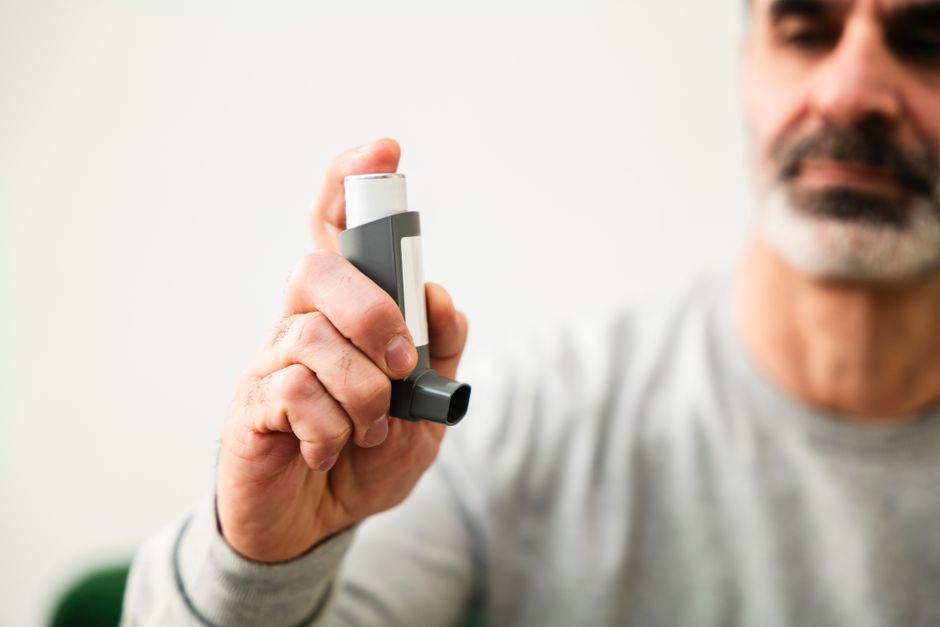
If you use a corticosteroid inhaler for asthma or COPD and you notice white patches in your mouth, you likely have oral thrush. This is a fungal infection caused by Candida yeast. Getting rid of it requires two steps: treating the current infection and changing how you use your inhaler to stop it from coming back. Rinsing your mouth with water after each use is the single most effective prevention step, and antifungal mouthwashes or lozenges usually clear the infection within one to two weeks.
What Causes Thrush From an Inhaler?
Inhaled corticosteroids lower inflammation in your airways. That is their job. But some of the medicine lands in your mouth instead of your lungs. This creates a local environment where your immune system is slightly suppressed. Candida yeast, which lives in most people’s mouths without causing problems, can then overgrow.
Research published in the Cochrane Database of Systematic Reviews found that about one in five people using inhaled corticosteroids develop oral thrush. The risk is higher with higher doses and more frequent use. People who do not rinse after using their inhaler are significantly more likely to get thrush.
Other factors increase your risk. Dry mouth from other medications, poorly fitting dentures, smoking, and a diet high in sugar all feed the yeast. If you have diabetes or a weakened immune system, you are more prone to infections like this.
How To Get Rid of Thrush From an Inhaler — What the Evidence Shows
The first step is to treat the infection itself. Your doctor will likely prescribe an antifungal medication. The most common is nystatin, a liquid you swish in your mouth for several minutes and then swallow. Clotrimazole lozenges are another option. You dissolve one in your mouth several times a day for about a week.
Studies show these treatments work well. A review in the Journal of Oral Pathology & Medicine found that topical antifungals clear oral thrush in 80 to 90 percent of cases within 14 days. For stubborn infections, doctors may prescribe fluconazole pills, which work systemically.
You can also try salt water rinses. Mix half a teaspoon of salt in a cup of warm water. Swish and spit. This does not kill the fungus directly, but it changes the environment in your mouth and can provide relief. Evidence for this is weaker than for antifungals, but it is safe and inexpensive.
Yogurt with live cultures is widely claimed to help. Some studies suggest probiotics may reduce Candida overgrowth, but the evidence is not strong enough to recommend yogurt as a standalone treatment. It may support recovery alongside medication, but do not rely on it alone.
How to Prevent Thrush From Coming Back
Prevention is more important than treatment. The most effective step is rinsing your mouth with water immediately after each inhaler use. Swish the water around your mouth for at least 30 seconds, then spit it out. Do not swallow it. This washes the leftover medicine off your tongue, cheeks, and throat.
Using a spacer device with your inhaler also helps. A spacer is a tube that attaches to your inhaler. It holds the medicine so you can breathe it in slowly. Less medicine lands in your mouth and more reaches your lungs. The American Academy of Allergy, Asthma & Immunology recommends spacers for anyone using inhaled corticosteroids.
Brushing your teeth after using your inhaler adds another layer of protection. If you cannot brush, at least rinse. Some people find that brushing their tongue gently with a soft toothbrush helps remove yeast colonies before they grow.
| Prevention Method | How It Works | Evidence Strength |
|---|---|---|
| Rinse mouth with water | Washes medication off oral surfaces | Strong — recommended by major guidelines |
| Use a spacer device | Reduces medication deposited in mouth | Strong — multiple clinical trials support |
| Brush teeth after inhaler | Removes residual medication and yeast | Moderate — logical but less studied alone |
| Probiotic yogurt | May balance oral microbiome | Weak — some studies suggest benefit |





What to Avoid When You Have Thrush
Do not stop using your inhaler. This is the most common mistake people make. Your asthma or COPD medication is essential. Stopping it can lead to a dangerous flare-up. Treat the thrush and adjust your inhaler technique instead.
Avoid mouthwashes that contain alcohol. They can dry out your mouth further and make the yeast problem worse. Some commercial mouthwashes also kill beneficial bacteria that normally keep Candida in check. Stick to salt water rinses or the antifungal rinse your doctor prescribes.
Cut back on sugar while you have an active infection. Yeast feeds on sugar. Reducing your intake of sweets, soda, and refined carbohydrates may help your treatment work faster. This is not a cure by itself, but it supports recovery.
Do not share your toothbrush or drinking glass. Thrush is not highly contagious to healthy adults, but it can spread to people with weakened immune systems. Replace your toothbrush after the infection clears to avoid reinfecting yourself.
Common Misconceptions About Inhaler Thrush
Some people believe that only dirty inhalers cause thrush. This is not accurate. The infection comes from the medication itself creating a favorable environment for yeast. Keeping your inhaler clean is good practice, but it does not prevent thrush on its own.
Another myth is that thrush always hurts. Many people have thrush without any pain. They may notice white patches on their tongue or inside their cheeks that scrape off easily. Some people describe a cottony feeling in their mouth or a loss of taste. If you see white patches, treat them even if they do not hurt.
There is also a belief that yogurt alone can cure thrush. As of 2026, there is no clinical evidence that yogurt alone clears an established fungal infection. It may help prevent recurrence when used regularly, but if you already have white patches, you need an antifungal medication.
Some people think thrush means their inhaler dose is too high. This can be true, but it is not always the case. Your doctor may adjust your dose if thrush keeps coming back. But many people get thrush even on low doses. The problem is usually technique, not dose.
When to See a Doctor
See a doctor if the white patches do not go away after two weeks of treatment. Also see a doctor if the patches spread to your throat or if you have trouble swallowing. This could indicate esophageal thrush, which requires stronger medication.
If you have a weakened immune system from HIV, chemotherapy, or an organ transplant, see a doctor at the first sign of thrush. These infections can become serious quickly in immunocompromised people.
People with diabetes should also seek medical advice. High blood sugar levels can make thrush harder to treat. Your doctor may want to check your blood sugar control alongside treating the infection.
If thrush keeps coming back despite good inhaler technique and consistent rinsing, ask your doctor about switching to a different inhaled corticosteroid. Some formulations are less likely to cause thrush than others. This is a reasonable option if prevention steps are not working.
Frequently Asked Questions
How long does it take for inhaler thrush to go away?
With proper antifungal treatment, most cases clear within 7 to 14 days. The white patches may start shrinking within a few days of starting medication.
Can I use my inhaler while treating thrush?
Yes. Continue using your inhaler as prescribed. Rinse your mouth thoroughly after each use and treat the thrush with antifungal medication.
Does rinsing with water really prevent thrush?
Yes. Rinsing with water immediately after using your inhaler removes the medication from your mouth and significantly reduces your risk of developing thrush.
Is thrush from an inhaler dangerous?
In most people it is not dangerous and clears easily with treatment. It can become serious if it spreads to the throat or if you have a weakened immune system.
