
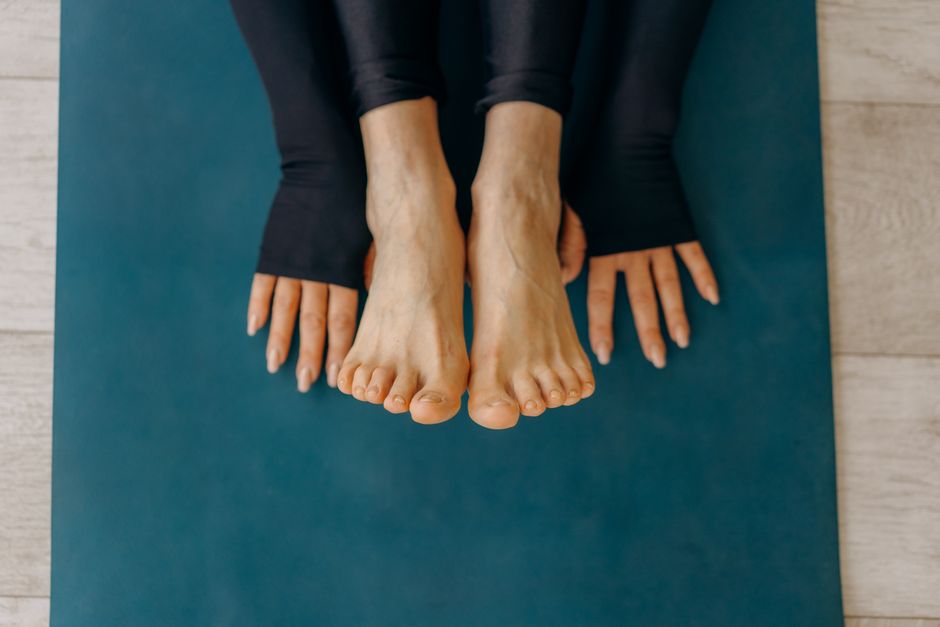
Swelling in the feet happens when fluid builds up in the tissues, and the fix depends entirely on why it’s there. For most healthy people, the cause is something simple like standing too long, heat, or a long flight, and it settles with movement, elevation, and time. But swelling that appears suddenly, affects only one leg, or comes with pain or breathlessness needs a doctor’s look, not a home remedy.
Below is what actually helps, what the evidence supports, and when swelling stops being a nuisance and starts being a signal.
What Causes Swelling In Feet?
Swelling in the feet is fluid collecting in the soft tissue, a process doctors call edema. It happens when pressure inside the small blood vessels pushes fluid out into surrounding tissue faster than the lymph vessels can drain it away.
Gravity is the main reason feet and ankles swell more than other body parts. When you stand or sit for long periods, blood pools in the lower legs, pressure rises in the tiny vessels, and fluid leaks into the tissue. That is why shoes feel tight by evening and loose again by morning after a night in bed.
Common everyday causes include:
- Standing or sitting for long stretches, especially in heat
- Long car or plane trips
- High-sodium meals, which make the body hold more water
- Hormonal shifts around the menstrual cycle
- Pregnancy, which increases blood volume and pressure on leg veins
- Some medications, including certain blood pressure drugs, steroids, and diabetes medicines
Swelling can also point to a medical problem. Heart failure, kidney disease, liver disease, and problems with the veins of the legs can all cause fluid to build up. So can a blood clot in a leg vein, which is the most urgent cause to rule out.
One detail people often miss: swelling in both feet is usually a body-wide issue like heart, kidney, or medication effects. Swelling in just one foot or leg is more often a local problem, such as a clot, infection, or injury. That difference matters when deciding how fast to act.
How To Get Rid Of Swelling In Feet?
For everyday swelling, the goal is to help fluid move out of the legs and back into circulation. Movement does this better than anything else, because the muscles of the calf act like a pump that pushes blood and lymph upward with each step.
Move and elevate
Walk around for a few minutes every hour if you sit or stand for work. When you rest, raise your feet above the level of your heart. A stack of pillows or a recliner works. Elevation lets gravity pull fluid back toward the body instead of letting it settle in the ankles.
Use compression carefully
Compression socks or stockings squeeze the legs from the outside and help veins return blood upward. They are widely used and have reasonable evidence behind them for swelling related to long sitting, pregnancy, and vein problems. The catch is fit. A stocking that is too tight or bunched can make things worse. If you have poor circulation from artery disease or diabetes, ask a clinician before using compression, because pressure that is fine for most people can be risky for you.
Cool the feet
Heat makes blood vessels widen, which lets more fluid leak into tissue. A cool foot soak or a cool compress can ease the feeling of heaviness. It will not fix an underlying cause, but it can make the evening more comfortable.
Watch the salt
Sodium makes the body retain water. Cutting back on very salty foods, processed meats, canned soups, and takeout can reduce how much fluid your body holds. This is a general measure, not a cure, and it helps most when salt intake is genuinely high.
Check your medicines
Several common drugs can cause foot swelling as a side effect. Do not stop a medicine on your own. Bring it up with your prescriber, who can tell you whether a different drug or dose is an option.
What Is The Fastest Way To Reduce Swollen Feet?
If the swelling is from standing or travel, lying down with the feet raised above heart level for 20 to 30 minutes is the quickest reliable way to move fluid out of the ankles. Combine it with gentle ankle circles and a short walk.
There is no pill or drink that clears fluid from the feet quickly. Diuretics, sometimes called water pills, are prescription drugs for specific conditions like heart failure. They are not appropriate for routine swelling from standing or heat, and taking them without medical guidance can be harmful.
Be cautious with the idea that drinking more water flushes out swelling. In healthy people, hydration supports normal kidney function, but drinking extra water does not push fluid out of swollen ankles. The swelling is in the tissue, not something extra fluid intake can wash away.
When Should Swelling In Feet Worry You?
Some swelling needs medical attention quickly, and the signs are fairly consistent. Get urgent care for any of the following:
- Swelling in one leg only, especially with pain, warmth, or redness, which can signal a blood clot
- Sudden swelling with shortness of breath, chest pain, or trouble breathing
- Swelling that comes with fever, or skin that is red and hot
- Swelling after an injury, or a foot you cannot bear weight on
- Swelling that pits when you press it and leaves a dent, or that keeps getting worse over days
- Swelling in someone with known heart, kidney, or liver disease that is new or worsening
One-sided leg swelling is the finding clinicians take most seriously. A clot in a deep leg vein can travel to the lungs, so it is not something to watch at home. If one calf is noticeably larger than the other, that is a reason to seek care the same day.
Swelling that has been mild and stable for weeks is less urgent but still worth mentioning at a routine visit, especially if it is new for you.
What Home Remedies Actually Help Swollen Feet?
The remedies with the most support are the plain ones: movement, elevation, and compression. These work because they address the actual mechanism, which is fluid pooling under the pull of gravity.
Some other approaches have weaker or mixed evidence:
- Epsom salt soaks. A warm soak can feel good, but there is no strong evidence that magnesium in Epsom salt absorbs through the skin to reduce swelling. Warm water can actually increase swelling in some people. Cool water is the safer choice for comfort.
- Herbal teas and supplements. Products marketed for fluid retention rarely have solid clinical trials behind them, and some can interact with medicines or affect blood pressure. Talk to a pharmacist or clinician before adding one.
- Massage. Gentle massage toward the heart may help some people feel better, but avoid it if you have a clot, infection, or heart failure, where it can be unsafe.
- Foot baths with additives. No clinical evidence confirms that added salts or oils reduce edema. The water temperature matters more than what is in it.
None of these replace medical care if the swelling has a serious cause. They are comfort measures, not treatments for the underlying problem.
Can You Prevent Swollen Feet?
For swelling tied to daily habits, prevention mostly means keeping fluid moving and avoiding long stretches of stillness. On a flight or long drive, get up and walk when you can, flex your ankles and calves while seated, and wear loose footwear. Compression socks are commonly used for travel and have reasonable support for reducing leg swelling on long trips.
At home, regular walking helps the calf pump do its job. If you sit at a desk, a short walk every hour makes a real difference over a day. Elevating your feet during breaks and at the end of the day keeps fluid from settling.
For people with heart, kidney, or vein conditions, prevention is part of medical care. Follow the plan your clinician gives you, which may include compression, salt limits, and specific medicines. Do not add or change treatments on your own.
Pregnancy brings swelling that is usually normal, especially in the third trimester, but sudden swelling of the hands and face, or swelling with headache or vision changes, needs prompt medical attention because it can be a sign of a serious condition. Any concerns in pregnancy should go to your obstetric provider rather than being managed with home remedies.
Frequently Asked Questions
How do I get rid of swollen feet fast?
Lie down and raise your feet above heart level for 20 to 30 minutes, then walk around to get the calf muscles pumping. Movement and elevation are the fastest reliable ways to move pooled fluid out of the ankles.
When should I worry about swollen feet?
Worry when swelling is in one leg only, comes on suddenly, or is paired with pain, warmth, redness, fever, or shortness of breath. Those signs can point to a blood clot, infection, or heart problem and need medical care right away.
Does drinking more water help swollen feet?
No, extra water does not flush fluid out of swollen ankles in healthy people. The swelling is fluid trapped in the tissue, and hydration supports normal kidney function but does not clear edema.
Are compression socks good for swollen feet?
Compression socks help many people by supporting veins and reducing fluid buildup, and they are widely used for travel, pregnancy, and vein problems. Check with a clinician first if you have artery disease or diabetes, because tight pressure can be risky for you.
