
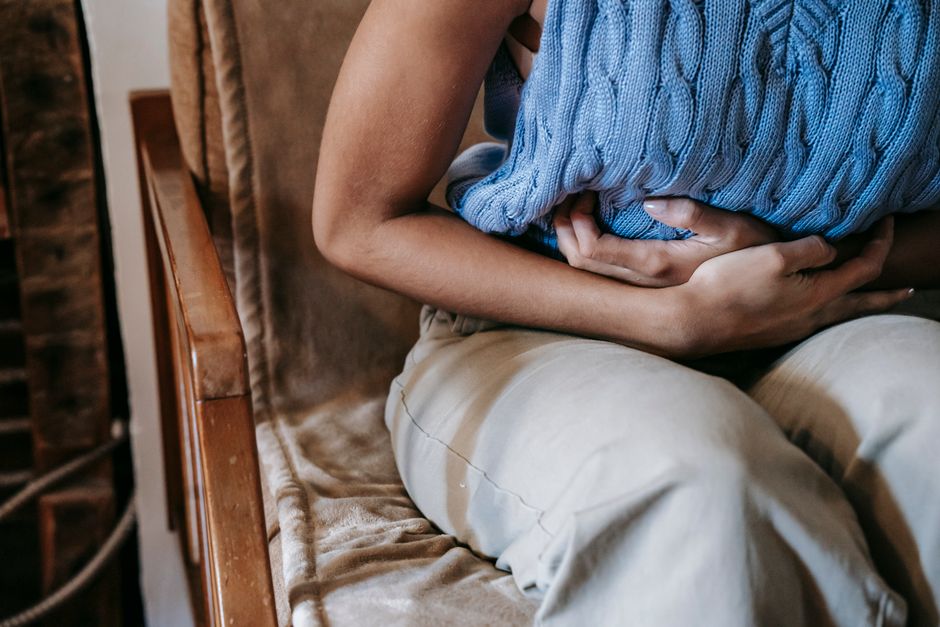
Stomach pain after pizza is common, and it usually comes down to one of a few specific causes: acid reflux from the tomato sauce and fat, lactose intolerance from the cheese, a grease-triggered gallbladder response, or simply eating more than your stomach can comfortably handle. The fastest relief is to stop eating, sit upright rather than lie down, sip small amounts of water, and give your stomach time to empty. If the pain is severe, lasts more than a few hours, or comes with vomiting, fever, or chest pressure, that is a medical situation, not a digestion problem.
Why Does Pizza Cause Stomach Pain?
Pizza is a near-perfect trigger for digestive discomfort because it stacks several irritants into one meal. Understanding which one is causing your pain is the difference between guessing and actually fixing it.
Tomato sauce is acidic. It can relax the valve between your esophagus and stomach, which lets stomach acid flow backward. That produces the burning pain many people call heartburn.
Cheese contains lactose. If your body produces less lactase — the enzyme that breaks lactose down — the undigested sugar ferments in your gut. The result is gas, cramping, and bloating. Lactose intolerance is common worldwide and becomes more likely with age.
Fat is the third factor. A high-fat meal slows stomach emptying and triggers the release of bile from the gallbladder. For people with gallstones, that bile release can cause sharp pain in the upper right abdomen. Fat also relaxes the lower esophageal sphincter, making reflux worse.
Then there is volume. A large pizza serving is simply more food than a stomach can process quickly. Stretching the stomach wall itself causes discomfort, independent of any intolerance.
What Is The Fastest Way To Get Rid Of Stomach Pain After Eating Pizza?
Stop eating immediately and stay upright. Lying down makes reflux worse and slows stomach emptying.
Sit or stand for at least 30 to 60 minutes. Gravity helps keep stomach contents where they belong. If you are wearing anything tight around your waist, loosen it — pressure on the abdomen pushes stomach contents upward.
Sip small amounts of plain water. Not gulps. Large volumes of liquid stretch an already full stomach and can worsen nausea. A few ounces at a time is enough.
Avoid the instinct to drink milk for relief. Milk can briefly soothe reflux symptoms, but it also stimulates more acid production, and if lactose is your problem, it makes things worse.
Over-the-counter antacids can help if the pain is clearly reflux-related — a burning sensation behind the breastbone. They neutralize existing stomach acid but do nothing for gas, lactose intolerance, or gallbladder pain. Simethicone, an anti-gas agent, may help if bloating and gas are the main symptoms. Neither is a fix for every cause.
If you have known lactose intolerance, a lactase enzyme supplement taken before eating helps prevent symptoms. Taken after the fact, it does not reverse what has already happened.
When Is Stomach Pain After Pizza A Medical Emergency?
Some symptoms mean you should not wait it out. Seek medical care right away if you have:
- Pain that is severe, constant, or getting worse rather than settling
- Pain in the upper right abdomen that radiates to your back or right shoulder — this pattern can indicate a gallbladder problem
- Vomiting that will not stop, or vomiting blood
- Fever, chills, or yellowing of the skin or eyes
- Chest pressure, shortness of breath, or pain spreading to your arm or jaw
- Bloody or black stools
- A rigid, tender, or swollen abdomen
Chest pressure after a meal deserves specific attention. Heart-related chest pain can be mistaken for indigestion, and it can occur after eating. If chest symptoms appear with exertion or come with sweating or shortness of breath, treat it as an emergency and call 911.
Gallbladder attacks typically happen 30 minutes to several hours after a fatty meal and can last for hours. If that pattern sounds familiar, it warrants a medical evaluation rather than another round of antacids.





How Can You Prevent Stomach Pain From Pizza?
The most reliable fix is changing how you eat pizza, not what you take afterward.
Eat less of it. Two slices instead of five reduces both volume and fat load. This sounds obvious but it is the single most effective step for most people.
Choose a thinner crust and lighter cheese. Thin crust carries less dough volume, and reduced-cheese or part-skim options lower the fat and lactose load. A white pizza without tomato sauce removes the acid trigger entirely.
Add a lactase supplement before your first bite if lactose is your issue. Take it with the meal, not after.
Do not eat pizza late at night and then lie down. Reflux is far more likely when you are horizontal within a couple of hours of eating. Aim to finish eating at least two to three hours before bed.
Eat slowly. Eating fast pulls in extra air, which adds to bloating and pressure.
If you notice that pizza triggers pain consistently, keep a simple food and symptom log for a few weeks. Patterns across several meals are more informative than a single bad night.
Could It Be Something Other Than The Pizza?
Not every episode of post-pizza pain is caused by the pizza itself. Symptoms that repeat after fatty meals can point to gallstones, which affect a meaningful share of adults and often cause no symptoms until a trigger meal.
Acid reflux disease, peptic ulcers, and irritable bowel syndrome can all produce pain that a single meal seems to set off but does not actually cause. Pizza may simply be the thing that pushes an underlying condition over the line.
If the same pain keeps returning, the useful question is not “how do I treat this meal” but “why does this meal keep triggering it.” That is a question for a doctor, and the answer usually comes from a targeted evaluation rather than trial and error with over-the-counter products.
What Helps And What Does Not
Some remedies have reasonable support. Others are popular but do not hold up.
Helpful: staying upright, small sips of water, loosening tight clothing, antacids for clear reflux symptoms, simethicone for gas, and lactase taken before eating if you are lactose intolerant.
Not reliably helpful: drinking milk for reflux, lying down to “rest” the stomach, taking lactase after symptoms start, and reaching for a large glass of anything carbonated. Carbonation adds gas and pressure.
Peppermint is often suggested for digestive discomfort. It can relax smooth muscle, which may ease cramping, but it also relaxes the valve at the top of the stomach and can worsen reflux in some people. The evidence here is mixed, and it is not a reliable fix.
Ginger has some evidence for nausea specifically, though less for pain. It is not a treatment for gallbladder or reflux pain.
No remedy — home or over-the-counter — addresses all the possible causes at once. Matching the fix to the actual cause is what works.
Frequently Asked Questions
How long does stomach pain after eating pizza usually last?
Most mild discomfort settles within a few hours as the stomach empties. Pain that lasts longer than several hours, or that keeps getting worse, should be evaluated by a doctor.
Does drinking milk help stomach pain after pizza?
Milk may briefly ease reflux symptoms but can trigger more acid production afterward, and it worsens symptoms if you are lactose intolerant. Water is the safer choice.
Can pizza cause gallbladder pain?
Yes. The high fat content can trigger bile release, and in people with gallstones this can cause sharp upper-right abdominal pain that may radiate to the back or shoulder.
How do I know if my pain is reflux or lactose intolerance?
Reflux usually causes burning behind the breastbone, while lactose intolerance tends to cause gas, cramping, and bloating lower in the abdomen. The location and type of pain are the main clues.
