
Small flies in a house almost always come from one thing: a wet, organic food source where larvae are already developing. You get rid of them by finding that source, removing it, and breaking the life cycle before the next generation hatches. Traps and sprays kill the adults you can see, but they do nothing about the eggs and larvae you cannot see. Finding the source is the whole job.
The flies you are swatting are the visible end of a cycle that started days or weeks ago. That is why a clean-looking kitchen can still produce a steady stream of them. The breeding site is often hidden — under a fridge, inside a drain, in a bag of forgotten potatoes, or in the soil of a houseplant. This guide explains what each common type of small fly is, where it breeds, and what actually works to get rid of it.
What Kind Of Small Flies Are In My House?
Most small flies indoors belong to a handful of species, and each one points to a different breeding site. Identifying the fly narrows down where to look. Guessing wastes time, because treating the wrong source lets the population keep going.
The main types you are likely to see:
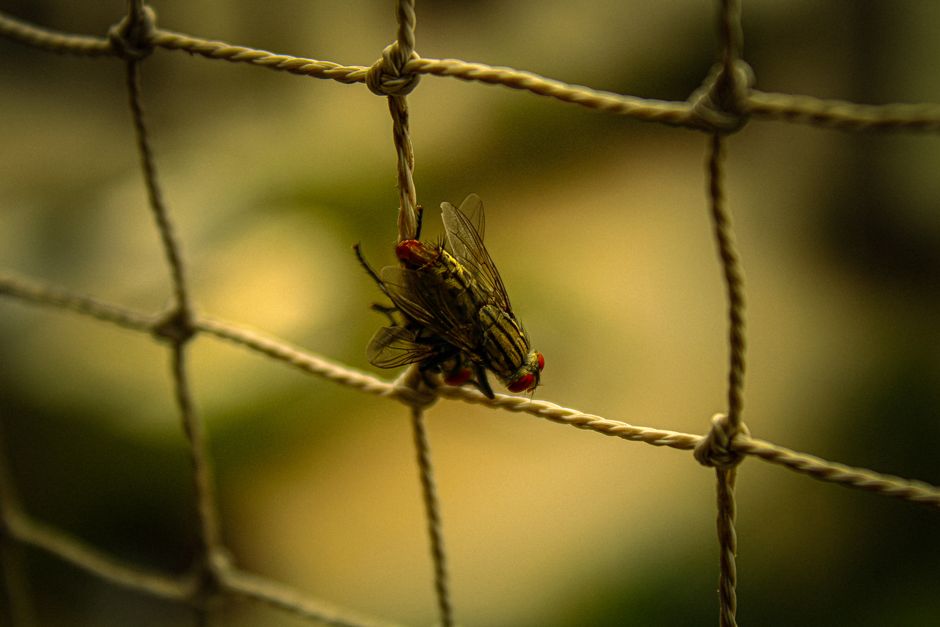
- Fruit flies — about an eighth of an inch long, tan to brown with red eyes. They hover around fruit bowls, sinks, trash, and recycling. They breed in overripe or fermenting produce and in wet organic film.
- Drain flies (also called moth flies or sewer flies) — tiny, fuzzy, and moth-like, often resting on bathroom or kitchen walls. They breed in the slime that coats the inside of drains and pipes.
- Fungus gnats — small, dark, delicate flies that gather near houseplants or windows. Their larvae live in moist potting soil.
- Phorid flies — small, humpbacked flies that scuttle rather than fly. They breed in decaying organic matter, including sewage, and can indicate a plumbing or drainage problem.
Fruit flies and drain flies are the two most common culprits in residential kitchens. If the flies appear only around plants, fungus gnats are the likely answer. If they are coming from a floor drain, a leaking pipe, or a rarely used bathroom, phorid flies or drain flies become more likely. A single fly seen now and then is not a breeding problem. A steady daily supply usually is.
Where Do Small Flies Lay Eggs In A House?
Small flies lay eggs in moist, decaying organic material, and the list of places inside a home that qualify is longer than most people expect. The larvae — small maggots — feed on that material and mature into adults within days. One overlooked source can produce a continuous supply of new flies.
Common breeding sites include:
- Overripe or damaged fruit and vegetables, including the bottom of a bag of onions or potatoes
- Trash cans and recycling bins, especially those with food residue or liquid at the bottom
- Kitchen and bathroom drains, where a slimy biofilm builds up on pipe walls
- Moist potting soil in houseplants, and the saucers underneath them
- Mop buckets, floor drains, and damp cleaning cloths
- Forgotten spills under the refrigerator or behind appliances
- Garbage disposals, dishwasher filters, and the seals around them
- Recycling containers that held beer, wine, or juice
- Pet food bowls and the area around them
Fruit flies are especially drawn to fermenting liquids. A half-empty bottle of juice, a sticky drip from a recycling bin, or the film on a sponge can be enough. Drain flies need standing organic slime, which is why a drain that looks clean at the surface can still be breeding them. Fungus gnats need consistently damp soil, which is why overwatering a plant can create a problem that never fully goes away.
One detail that surprises many people: the flies you see are only a fraction of the population. The eggs and larvae are hidden in the source, and they are the part that matters. Killing adults without removing the source is the most common reason a fly problem keeps coming back.
How To Get Rid Of Small Flies In House
The reliable method is to find and remove the breeding source, then clean the area so no residue remains. Traps and sprays are useful for reducing visible adults, but they do not stop the cycle on their own. Work from the source outward.
A practical sequence that works for most households:
- Find the source. Watch where flies gather. Look for the nearest damp, organic material. Check fruit, trash, drains, plants, and under appliances.
- Remove the food source. Throw out overripe produce, rinse recycling, empty and clean trash cans, and clear any spilled liquid or food residue.
- Clean drains. Scrub the inside of the drain and the overflow holes with a brush. A biofilm of slime is where drain flies breed, and physically removing it is more reliable than pouring anything down the drain alone.
- Address houseplants. Let the top of the soil dry out between waterings, and remove standing water from saucers. Yellow sticky traps placed near the plant can catch adults.
- Set traps for the adults. A small dish of apple cider vinegar with a drop of dish soap attracts and traps fruit flies. Sticky traps work for fungus gnats.
- Keep it up. Clean the breeding areas regularly for at least a couple of weeks so any remaining eggs and larvae are eliminated.
Drain treatments sold as “drain fly killers” vary widely. Some contain enzymes or bacteria meant to break down organic matter, and some clinicians and pest professionals recommend them as part of a cleaning routine. The evidence that any specific product reliably eliminates an infestation on its own is limited. Mechanical cleaning — brushing the pipe walls — removes the physical breeding layer and is the more dependable step.
Insecticide sprays and foggers are commonly marketed for indoor fly control. They kill exposed adults but do not penetrate breeding sites, and repeated use indoors carries exposure concerns, particularly around children and pets. For most household infestations, source removal and cleaning do the job without them.
What Actually Kills Small Flies And Their Larvae?
Removing the breeding material kills larvae more reliably than any product. Larvae cannot survive without their food source, so elimination of the source is the most effective control method. Adult flies are easier to kill, but killing adults alone does not solve the problem.
What works, and what to expect from each approach:
- Source removal — the most effective step. Discarding the breeding material eliminates eggs and larvae directly.
- Physical cleaning of drains — brushing and hot water remove the biofilm where drain flies breed.
- Vinegar traps — effective at catching adult fruit flies, but they do not touch the breeding site.
- Sticky traps — useful for monitoring and reducing adult fungus gnats near plants.
- Drying out soil — fungus gnat larvae need moisture; allowing soil to dry reduces their survival.
- Insecticide sprays — kill exposed adults on contact but do not reach hidden larvae.
There is no single product that reliably clears an infestation while the breeding source remains. This is the part most marketing skips. A trap that catches dozens of flies a day is a sign the source is still active, not proof the product is working.
How Long Does It Take To Get Rid Of Small Flies?
Most small fly problems clear within one to two weeks once the breeding source is removed, but the timeline depends on whether the source was fully eliminated. Some species complete a generation in about a week in warm conditions, so new adults can keep appearing briefly after cleaning. Seeing a few flies for several days after removing the source is normal.
If flies persist beyond roughly two weeks of consistent cleaning, a source has likely been missed. Common hidden spots include a floor drain in a spare bathroom, a drip tray under the refrigerator, a bag of produce in a cupboard, or a houseplant that keeps getting watered. Recheck these before assuming the treatment failed.
The one situation that changes the timeline is a plumbing problem. Phorid flies breeding in a broken pipe, a sewage backup, or a persistent leak will keep returning until the underlying issue is repaired. In that case, a plumber or a pest control professional is the right next step. Persistent flies near a drain with a sewage smell should be treated as a plumbing concern, not just a cleaning one.
How Do I Prevent Small Flies From Coming Back?
Prevention comes down to denying flies a moist food source. Small changes in routine are more effective than any single product. The goal is to keep organic material from sitting long enough to support a generation of larvae.
Habits that make a real difference:
- Rinse recyclables before placing them in the bin, and empty the bin regularly.
- Store fruit and vegetables in the refrigerator or in sealed containers during fly season.
- Take out trash frequently, and clean the can itself, not just the bag.
- Clean drains on a routine schedule, especially in kitchens and bathrooms that get heavy use.
- Do not overwater houseplants, and empty saucers so water does not stand.
- Wipe up spills promptly, including under appliances where they are easy to miss.
- Keep compost bins sealed and away from the kitchen if possible.
Fruit flies are strongly attracted to fermenting liquids, so a forgotten glass of wine or a sticky juice bottle can restart a problem. Drain flies return when biofilm builds back up. Fungus gnats return when soil stays wet. The pattern is consistent: control the moisture and the organic material, and the flies have nowhere to breed.
Frequently Asked Questions
What causes small flies in the house?
Small flies breed in moist, decaying organic material such as overripe produce, trash residue, drain slime, or damp potting soil. The flies you see are adults that developed from larvae in one of those sources.
How do I get rid of small flies in the kitchen?
Find and remove the breeding source first, then clean drains and trash areas thoroughly. Traps and sprays can reduce adults, but they will not stop the cycle while the source remains.
Are small flies in the house harmful?
Most household small flies do not bite and are mainly a nuisance, though they can spread bacteria from breeding sites to food surfaces. Persistent flies coming from a drain or plumbing issue are worth investigating for a hidden problem.
Why do small flies keep coming back?
They keep returning because a breeding source was missed or has not been fully removed. Check hidden spots like floor drains, under appliances, plant saucers, and forgotten produce before assuming treatment failed.
