
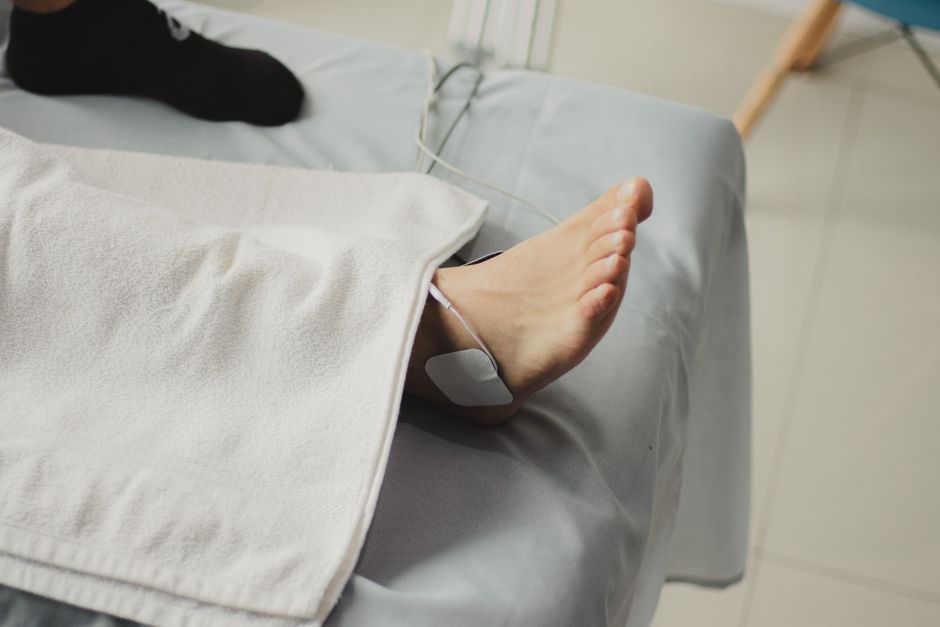
Shin splints can make every step hurt, and the idea of waking up pain-free tomorrow morning is appealing. The direct answer is that you cannot fully cure shin splints overnight, but you can significantly reduce pain and inflammation before bed so morning feels dramatically better. The most effective overnight approach combines ice, gentle compression, and anti-inflammatory medication, but true recovery requires addressing the cause over the coming days and weeks.
What Actually Causes Shin Splints?
Shin splints, medically called medial tibial stress syndrome, are not a single injury. The term covers a range of problems along the shin bone, or tibia. Most often, the pain comes from inflammation where the calf muscles attach to the bone, or from the thin tissue covering the bone called the periosteum becoming irritated.
The pain typically appears along the inner edge of the shin bone, roughly in the middle third of the lower leg. It develops when repetitive stress overloads the leg’s ability to absorb impact. This commonly happens after sudden increases in running distance, intensity, or frequency. Changing surfaces, wearing worn-out shoes, or having tight calf muscles also contribute significantly.
Understanding the mechanism matters because it explains why no single overnight treatment can reverse the problem. The tissue is irritated and inflamed. You can reduce that inflammation quickly, but the underlying overload that caused it remains until you change how you train.
What Can You Do Tonight for Immediate Relief?
If you want the best possible morning after a day of shin pain, focus on reducing inflammation before bed. Ice is the most reliable tool. Apply an ice pack to the painful area for 15 to 20 minutes. Do not apply ice directly to the skin — wrap it in a thin towel first. This reduces blood flow to the area and helps calm the inflammatory response.
Gentle compression can also help. Some runners find that wearing a compression sleeve or wrapping the lower leg with an elastic bandage overnight reduces morning stiffness. The compression should be snug but not tight enough to cause numbness or tingling. If you wake up with marks in your skin or your foot feels cold, the wrap is too tight.
Over-the-counter anti-inflammatory medication such as ibuprofen can reduce pain and swelling, helping you sleep more comfortably. Follow the dosing instructions on the package. These medications treat symptoms, not the underlying injury, so use them only for short-term relief rather than as a daily solution.
Elevating your leg while you sleep may help if you have visible swelling. Prop your leg on a pillow so it sits above the level of your heart. This encourages fluid to drain away from the area, which can reduce morning puffiness.
Why Heat and Stretching Are Not Overnight Fixes
Many online sources recommend aggressive stretching or applying heat to “loosen” the area before bed. These approaches are based on a misunderstanding of what shin splints are. The problem is not tight muscle that needs to be stretched out. The problem is irritated tissue that needs to settle down.
Aggressive stretching at the end of a painful day can increase irritation. If your calf muscles are tight, gentle stretching may help over the long term, but intense stretching will not provide overnight relief. Heat increases blood flow, which can feel pleasant but may actually increase inflammation in an acutely irritated area. Save heat for the days after the acute pain subsides, when you are working on restoring flexibility.
Some research suggests that calf tightness contributes to shin splints by altering how your foot absorbs impact. Addressing this takes weeks of consistent, gentle stretching — not one intense session the night before you need relief.





What Does Not Work and Why the Internet Misleads You
Viral social media posts and some supplement companies promote magnesium creams, essential oil rubs, and “detox” foot baths as cures for shin splints. No clinical evidence supports these claims. Magnesium applied to the skin may relax muscles in some contexts, but shin splint pain is not primarily a muscle spasm problem. Essential oils have anti-inflammatory properties in laboratory studies, but no human trials confirm they meaningfully reduce shin splint pain.
Another popular claim is that “rolling out” the shin with a foam roller or massage gun provides immediate relief. Self-massage along the shin can temporarily reduce pain by stimulating nerve endings, but it does not address the tissue inflammation at the root of the problem. If massage feels good, do it gently. If it increases pain, stop. Pain is your body telling you the tissue is already irritated.
Some sources recommend walking barefoot or switching to minimalist shoes as an instant fix. This advice is actively harmful in the acute phase. Changing your foot strike pattern while your shin is already inflamed adds new stress to healing tissue. Barefoot or minimalist running requires a gradual transition over months, not a sudden switch when you are already in pain.
What Actually Heals Shin Splints in the Coming Days
Overnight relief is about managing symptoms. Actual healing requires reducing the load on your shin for a period of time. Most people need to stop the activity that caused the pain for one to two weeks. This does not mean complete rest from all movement. Swimming, cycling, and upper-body strength work typically do not aggravate shin splints because they do not involve repetitive impact on the lower leg.
When you return to running or high-impact activity, increase your mileage gradually. A common guideline is to increase weekly mileage by no more than 10 percent. This is not a precise scientific rule, but it is a widely used conservative approach that gives your bones and soft tissue time to adapt.
Footwear matters. Running shoes lose their cushioning and support over time, typically after 300 to 500 miles of use. If your shoes are old, replacing them may be the single most important step in preventing recurrence. If you pronate excessively — meaning your foot rolls inward when you land — motion-control shoes or orthotic inserts may help. A podiatrist or running specialist can assess your gait and recommend appropriate footwear.
When Should You See a Doctor?
Shin pain is not always shin splints. A more serious condition called a stress fracture can produce similar symptoms, and it requires different treatment — typically longer rest and sometimes immobilization. See a doctor if the pain is severe, if it persists after two weeks of reduced activity, or if the area is warm to the touch and swollen in one specific spot rather than along a broad area.
Compartment syndrome is another condition that can be mistaken for shin splints. It causes intense pain that builds during exercise and eases when you stop. Unlike shin splints, the pain is often described as a tight, bursting sensation rather than a dull ache along the bone. This condition requires medical evaluation because it involves pressure building inside the muscle compartments of the leg.
If you have numbness, tingling, or weakness in your foot, seek medical attention promptly. These symptoms suggest nerve involvement, which is not part of a typical shin splint presentation.
How To Get Rid Of Shin Splints Overnight What Works — A Realistic Plan
Here is what the evidence actually supports for minimizing overnight pain and waking up feeling better:
- Ice the painful area for 15 to 20 minutes before bed, wrapped in a towel.
- Take an anti-inflammatory such as ibuprofen according to package instructions if pain interferes with sleep.
- Apply gentle compression with a sleeve or wrap that is snug but not tight.
- Elevate your leg if you notice swelling.
- Avoid aggressive stretching, heat, and massage that increase irritation in acutely inflamed tissue.
This plan will not cure the injury. It will reduce inflammation so your morning starts with less pain. The cure happens over the following days and weeks through reduced activity, gradual return to training, and addressing the factors — shoe wear, training load, calf tightness — that caused the problem in the first place.
Preventing Shin Splints From Coming Back
Prevention is more effective than treatment. Strengthening the muscles of the lower leg and foot can improve how your body absorbs impact. Calf raises, toe raises, and exercises that strengthen the small muscles of the foot have some evidence supporting their use in preventing shin splints. Start these exercises only after the acute pain has settled.
Running form also plays a role. Landing with a shorter stride and a higher cadence — around 170 to 180 steps per minute — reduces the impact force on your shins. You do not need to count your steps obsessively. Simply taking shorter, quicker steps when you run can reduce the stress on your lower legs.
If you are returning to running after a break, your body needs time to rebuild tolerance. Start with a walk-run program rather than jumping straight back to your previous mileage. The tissue that was injured needs weeks to strengthen, and pushing too hard too soon is the most common reason shin splints return.
Frequently Asked Questions
Can I run tomorrow if my shins hurt tonight?
No. Running on an actively painful shin increases tissue damage and prolongs recovery. Take at least a few days off from high-impact activity until walking is pain-free.
Is ice or heat better for shin splints at night?
Ice is better for acute shin splint pain because it reduces inflammation. Heat increases blood flow and can worsen irritation in the first days of symptoms.
Do compression sleeves help shin splints heal faster?
Compression sleeves may reduce pain and improve comfort during activity and sleep, but no strong evidence shows they speed up tissue healing. They are a symptom management tool, not a cure.
How long do shin splints take to fully heal?
Most people recover within two to six weeks with reduced activity and gradual return to training. If pain lasts longer than two weeks despite rest, see a doctor to rule out a stress fracture.
