
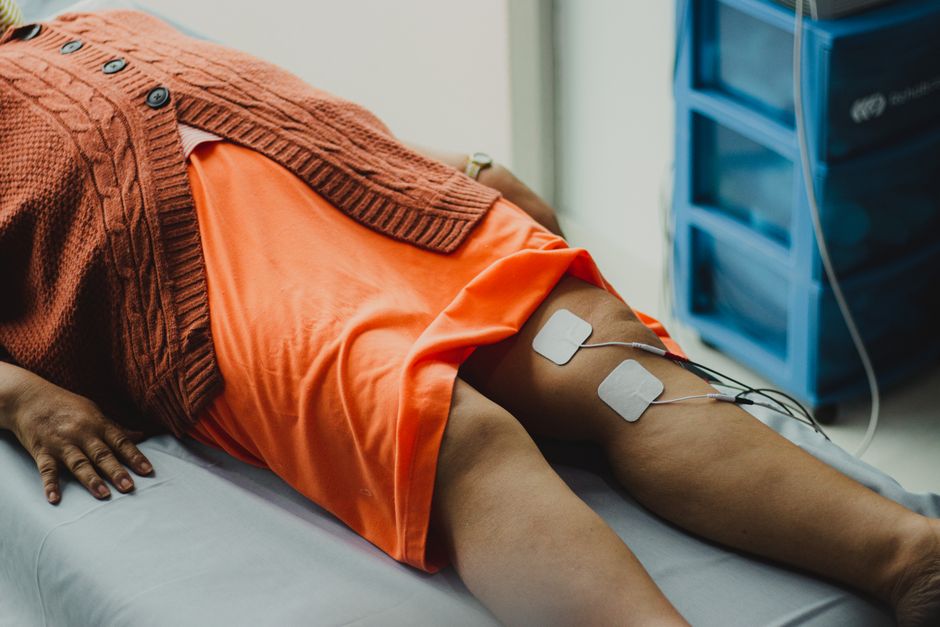
You do not have to live with shooting leg pain just because you are pregnant. The most effective way to get rid of sciatic nerve pain while pregnant is to combine physical therapy, gentle targeted exercises, and posture changes that take pressure off the nerve. Most cases improve with these conservative approaches, and your baby is not at risk from the pain itself. If pain is severe, your doctor may discuss safe options for relief.
Why Does Pregnancy Cause Sciatic Nerve Pain?
The sciatic nerve is the largest nerve in your body. It starts in your lower back, runs through your buttocks, and travels down the back of each leg. When something presses on it or irritates it, you feel pain, tingling, or numbness along that path.
In pregnancy, several things can cause this irritation. Your growing uterus changes your center of gravity, which shifts how you stand and move. This can strain the muscles and ligaments in your lower back and pelvis. The hormone relaxin loosens your joints and ligaments to prepare your body for childbirth. That looseness can make your spine less stable and more vulnerable to nerve compression.
A common misunderstanding is that the baby is sitting directly on the sciatic nerve. That is possible late in pregnancy, but it is not the usual cause. More often, the pain comes from changes in posture and muscle tension that affect the nerve higher up in the back or buttocks.
True sciatica, meaning pain caused by a herniated disc pressing on the nerve root, is less common in pregnancy than the muscular and postural version. Both types can feel similar. A doctor or physical therapist can help tell the difference.
What Does Sciatic Nerve Pain Feel Like During Pregnancy?
Sciatic nerve pain usually affects one side of the body. You might feel a sharp, shooting pain that starts in your lower back or buttock and travels down the back of your thigh. Some women describe it as a burning or electric sensation. Others feel numbness, tingling, or weakness in the leg or foot.
For some, the pain is mild and comes and goes. For others, it is constant and makes it hard to walk, sit, or sleep. The discomfort often worsens with prolonged sitting, standing, or certain movements like bending forward or lifting your leg.
If you feel pain or numbness in both legs, or if you lose control of your bladder or bowels, seek medical care immediately. These symptoms can signal a serious condition called cauda equina syndrome, which requires urgent treatment. This is rare but needs prompt attention.
How to Get Rid of Sciatic Nerve Pain While Pregnant
Most pregnant women find relief through a combination of approaches. No single method works for everyone, so you may need to try a few to see what helps your specific situation.
Physical Therapy
Physical therapy is one of the most reliable options. A trained therapist can assess your posture, identify muscle imbalances, and teach you exercises that reduce pressure on the sciatic nerve. They can also show you how to move safely as your belly grows. Research suggests that physical therapy during pregnancy is safe and often effective for low back and pelvic pain.
Gentle Exercises and Stretches
Certain stretches can ease tension in the muscles that surround the sciatic nerve. These include:
- Pelvic tilts: Lie on your back with knees bent (or stand against a wall). Gently tilt your pelvis forward and back. This helps loosen lower back muscles.
- Cat-cow stretch: On your hands and knees, alternate arching and rounding your back. This improves spinal mobility.
- Figure-four stretch: Sit in a chair and cross one ankle over the opposite knee. Lean forward gently to stretch your buttock. Only do this if it does not increase pain.
- Knee-to-chest stretch: Lie on your back and gently pull one knee toward your chest. Hold for a few seconds.
Stop any stretch that makes the pain worse. Not all stretches help all types of sciatic pain. A physical therapist can guide you toward the right ones for your body.
Posture and Body Mechanics
How you sit, stand, and sleep matters. When sitting, use a chair with good back support. Place a small pillow or rolled towel behind your lower back. Keep your feet flat on the floor or on a low stool. Avoid sitting for long periods. Get up and move every 30 minutes or so.
When standing, keep your weight evenly distributed on both feet. Avoid locking your knees. If you stand for long periods, rest one foot on a low step and switch sides often.
Sleep on your side with a pillow between your knees. This keeps your hips aligned and reduces strain on your lower back. A pregnancy pillow can help you stay comfortable.
Heat and Cold Therapy
Applying a heating pad or warm compress to the painful area can relax tight muscles. Cold packs can reduce inflammation. Use either for 15 to 20 minutes at a time. Always wrap the heat or cold source in a cloth to protect your skin. Do not use a heating pad on your abdomen during pregnancy.
Safe Pain Relief Options
Acetaminophen (Tylenol) is generally considered the safest over-the-counter pain reliever during pregnancy. However, recent discussions have raised questions about long-term use, so it is best to use the lowest effective dose for the shortest time. Always talk to your doctor before taking any medication, including over-the-counter options.
Nonsteroidal anti-inflammatory drugs (NSAIDs) like ibuprofen are generally not recommended during pregnancy, especially in the third trimester, unless specifically directed by your doctor. They can cause complications for the baby.
Some clinicians recommend topical treatments, but evidence for their use in pregnancy is limited. Discuss any topical product with your healthcare provider first.
Alternative Approaches
Some women find relief with acupuncture, chiropractic care, or massage therapy. Research on these approaches during pregnancy is mixed. Some studies suggest acupuncture may help with low back pain, but results vary. If you try these, choose a practitioner experienced in treating pregnant women.
No clinical guidelines currently exist for the use of herbal supplements for sciatic nerve pain in pregnancy. Avoid them unless your doctor specifically approves.
When Should You See a Doctor for Pregnancy Sciatic Pain?
Contact your healthcare provider if the pain is severe, keeps getting worse, or interferes with your daily activities. Also seek care if you notice muscle weakness in your leg, numbness that does not go away, or loss of bladder or bowel control. These symptoms need immediate evaluation.
Your doctor can rule out other causes, such as a herniated disc or a urinary tract infection, which can also cause back and leg pain. They can also refer you to a physical therapist or a specialist if needed.
What Can You Do to Prevent Sciatic Nerve Pain in Pregnancy?
You cannot always prevent sciatic pain, but you can lower your risk. Stay active with low-impact exercises like walking or swimming, which support your back without straining it. Maintain good posture. Avoid lifting heavy objects, and when you must lift, bend your knees and keep the object close to your body.
Wear supportive shoes with low heels. High heels shift your center of gravity and increase strain on your lower back. Sleep on your side with proper pillow support.
If you sit at a desk for work, set up your chair and monitor so you are not slouching or twisting. Take breaks to stand and stretch.
Will Sciatic Nerve Pain Go Away After Delivery?
For most women, sciatic nerve pain improves or disappears after giving birth. Once the baby is delivered, the pressure on your nerves eases, hormones return to normal, and your posture gradually returns to its pre-pregnancy state. Recovery time varies. Some women feel better within days. Others may take weeks or months, especially if they had significant muscle weakness or a disc issue.
If pain continues after delivery, talk to your doctor. Physical therapy can still help. In rare cases, imaging may be needed to check for other causes.
Frequently Asked Questions
Can sciatic nerve pain during pregnancy hurt my baby?
No, sciatic nerve pain does not harm your baby. The pain comes from nerve irritation in your back and leg, not from anything affecting the uterus or the baby’s health.
Is it safe to do stretches for sciatic pain while pregnant?
Gentle stretches are generally safe for most pregnant women, but you should avoid any movement that increases pain or involves lying flat on your back for extended periods. Check with your doctor or a physical therapist before starting any new exercise routine.
What is the fastest way to relieve sciatic pain during pregnancy?
There is no single fastest method, but many women get quick relief from changing positions, applying heat or cold, and doing gentle stretches. Consistent physical therapy often provides the most lasting improvement.
Can I take ibuprofen for sciatic pain while pregnant?
NSAIDs like ibuprofen are generally not recommended during pregnancy, especially in the third trimester, unless your doctor specifically approves. Acetaminophen is usually considered the safer over-the-counter option, but always confirm with your healthcare provider first.
