
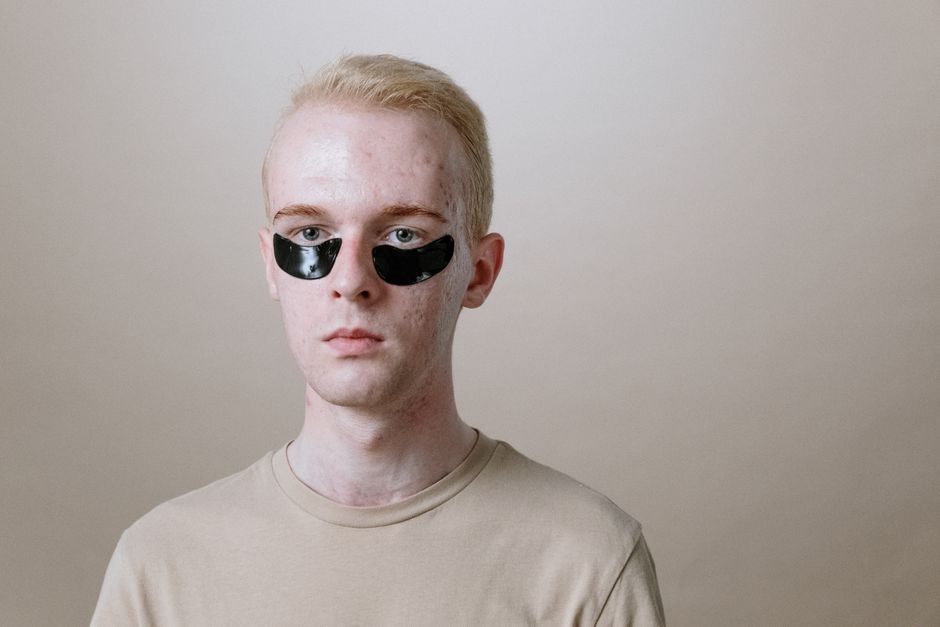
Pimple scars are the marks left behind after a breakout clears. They form when inflammation damages the skin’s deeper layers. The good news is that most types of acne scars can be improved with the right approach. Treatment depends on the type of scar you have, how deep it is, and your skin tone. No single product works for every scar, but dermatologists have effective options that range from prescription creams to in-office procedures.
What Are the Different Types of Pimple Scars?
Acne scars fall into two main categories: atrophic scars and hypertrophic scars. Atrophic scars are depressed or sunken. They are far more common than raised scars. Hypertrophic scars sit above the skin’s surface.
Atrophic scars come in three forms. Ice pick scars are narrow and deep, like small punctures in the skin. Boxcar scars are wider with sharp edges and a flat bottom. Rolling scars have a wavy, uneven appearance across the skin. Each type responds differently to treatment.
Some dark marks left after acne are not true scars. Post-inflammatory hyperpigmentation (PIH) is flat and brown or red. It fades over time and responds well to topical treatments. Knowing the difference matters because PIH does not require the same procedures as actual scars.
If you are unsure what type of marks you have, a board-certified dermatologist can identify them. The correct diagnosis is the first step to effective treatment.
How To Get Rid Of Scars Of Pimples With Over-the-Counter Products
Over-the-counter products help with mild scarring and discoloration. They will not erase deep scars, but they can visibly improve texture and tone over several months.
Look for products with these active ingredients:
- Vitamin C — helps brighten dark spots and supports collagen production
- Retinol — speeds up cell turnover and stimulates collagen
- Alpha hydroxy acids (AHAs) like glycolic acid — exfoliate the top layer of skin
- Niacinamide — reduces redness and evens skin tone
- Azelaic acid — helps fade hyperpigmentation and has anti-inflammatory properties
Consistency matters more than brand. Use one active product at a time when starting out. Introducing too many ingredients at once can irritate skin and make scarring look worse.
Sunscreen is non-negotiable. UV exposure darkens scars and slows healing. Use a broad-spectrum sunscreen with SPF 30 or higher every day, even when it is cloudy. This single habit can make every other treatment work better.
No over-the-counter product will completely remove a deep scar. If a scar has been present for more than a year, it is unlikely that topical products alone will make a significant difference.
Prescription Treatments for Acne Scars
Prescription-strength options work faster and more effectively than store-bought products. A dermatologist can prescribe these after examining your skin.
Tretinoin is a prescription retinoid that increases collagen production and speeds cell turnover. It treats both active acne and scars. Results take three to six months of consistent use. Side effects include dryness, peeling, and sun sensitivity during the first few weeks.
Azelaic acid in prescription strength (15-20%) is another option. It works well for people with darker skin tones because it targets hyperpigmentation without bleaching the surrounding skin.
Some dermatologists recommend silymarin or other anti-inflammatory agents combined with retinoids. These combinations are less studied than tretinoin alone, but some clinical experience supports their use.
Prescription creams require patience. They do not remodel deep scars the way procedures can. For ice pick or deep boxcar scars, topical treatment alone is rarely enough.




In-Office Procedures That Actually Work
Dermatologists have several safe, effective procedures for acne scars. The right one depends on scar type, skin type, and downtime you can tolerate.
Chemical peels use acids at higher concentrations than home products. They remove damaged outer layers and stimulate new skin growth. A series of peels is usually needed. Medium-depth peels with trichloroacetic acid (TCA) can improve shallow boxcar scars and rolling scars.
Microneedling uses tiny needles to create controlled micro-injuries in the skin. This triggers collagen production. It is effective for rolling scars and mild boxcar scars. Most people need three to six sessions spaced a month apart. Results build gradually over several months.
Laser resurfacing is one of the most effective treatments for atrophic scars. Ablative lasers remove the top layer of skin. Non-ablative lasers heat the deeper layers without removing the surface. Ablative lasers give stronger results but require more downtime. Healing can take one to two weeks. Non-ablative lasers have less downtime but may need more sessions.
Subcision is a procedure where a needle is inserted under the scar to break the fibrous bands pulling the skin down. It works well for rolling scars. The released skin lifts up, and collagen fills the gap.
Punch excision is used for ice pick scars. The scar is surgically removed and the wound is closed with a small stitch. It leaves a smaller, less noticeable mark that can be further treated with resurfacing.
These procedures are medical treatments, not cosmetic luxuries. They carry real risks including infection, scarring, and pigment changes. A qualified dermatologist minimizes these risks. Do not have these procedures done by someone without proper medical training.
Can Home Remedies Remove Acne Scars?
Home remedies are popular on social media, but the evidence behind most of them is weak. No study has confirmed that lemon juice, honey, or baking soda removes acne scars. Some of these can cause chemical burns or skin irritation.
Aloe vera is soothing and may help with inflammation, but it does not remodel scar tissue. Tea tree oil has antimicrobial properties that may help active acne, but it does not treat scars.
Silicone sheets and gels are one home-adjacent option with real evidence behind them. They are proven to flatten and soften hypertrophic and keloid scars. They do not help with depressed atrophic scars.
If a home remedy sounds too good to be true, it probably is. Deep scars form below the skin’s surface. No herb, oil, or kitchen ingredient can reach that layer.
How Long Does It Take for Acne Scars to Fade?
Healing time depends on the type of scar and the treatment used. Flat red or brown marks from hyperpigmentation can fade in three to six months with good sun protection and topical treatments.
Depressed scars do not fade on their own. They are permanent changes in the skin’s structure. Treatment can improve their appearance, but it takes time. Collagen remodeling is a slow process. Most people see noticeable improvement three to six months after starting in-office procedures.
A full treatment course often takes six to twelve months. Multiple sessions are usually required. Patience is a real part of treatment, not just a cliché.
Preventing New Scars Is Easier Than Removing Old Ones
The best way to get rid of acne scars is to prevent them from forming in the first place. This means treating acne early and correctly.
Do not pick, pop, or squeeze pimples. Picking pushes bacteria deeper and increases inflammation. More inflammation means a higher chance of scarring. This is one of the most consistent findings in dermatology.
Treat active acne as soon as it appears. Over-the-counter benzoyl peroxide and salicylic acid help with mild breakouts. If acne is moderate or severe, see a dermatologist. Prescription treatments can control acne before it damages skin.
Keep skin moisturized. Dry, irritated skin heals more slowly. A simple fragrance-free moisturizer supports the skin barrier and helps other treatments work.
When Should You See a Dermatologist?
See a dermatologist if scars bother you emotionally or if over-the-counter products have not helped after six months. Also seek care if you have active acne that is leaving new scars. Treating active acne is the first priority. Most dermatologists will not perform scar procedures until acne is under control.
A dermatologist can create a treatment plan matched to your scar type and skin tone. People with darker skin have a higher risk of pigment changes from lasers and peels. An experienced dermatologist adjusts settings and chooses procedures accordingly.
Do not wait years before seeking help. Newer scars respond better to treatment than old ones. Collagen is more responsive in younger scar tissue.
Frequently Asked Questions
Can pimple scars go away completely?
Most atrophic scars can be significantly improved but not completely erased. Treatment can make scars much less noticeable, and some shallow scars may become nearly invisible.
What is the fastest way to get rid of acne scars?
In-office procedures like laser resurfacing and microneedling produce the fastest results. No topical product works quickly for true scars.
Does vitamin C help acne scars?
Vitamin C helps fade dark spots and supports collagen production. It is more effective for hyperpigmentation than for deep depressed scars.
Are acne scar treatments covered by insurance?
Most laser and cosmetic procedures are not covered by insurance. Treatments are usually classified as cosmetic even when scarring causes emotional distress.
