
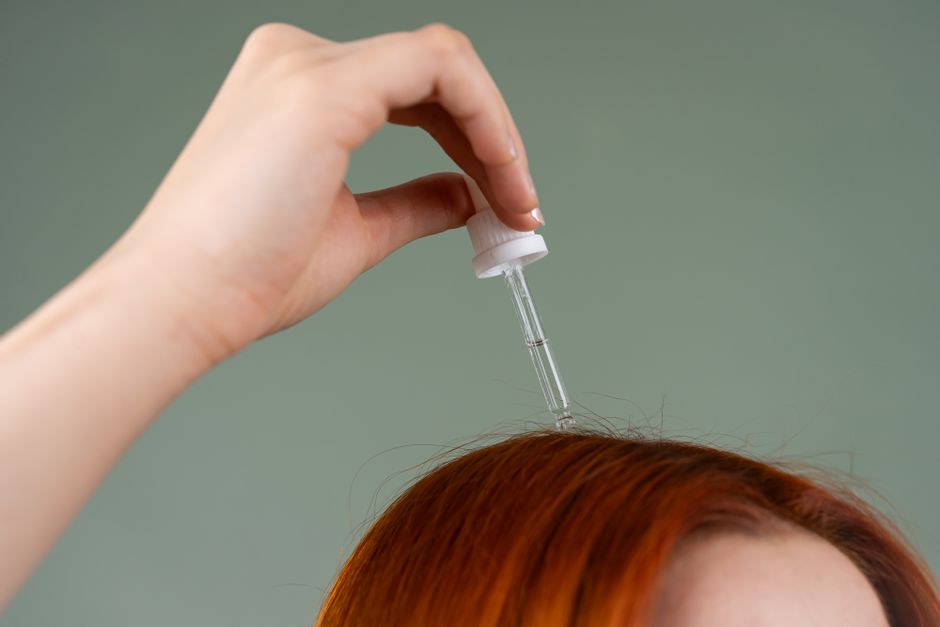
Scalp pimples are small bumps on the scalp that form when hair follicles get blocked or inflamed by oil, dead skin cells, or bacteria. Most cases are not true acne at all — they are folliculitis, an inflammation of the hair follicle itself. Getting rid of them means figuring out what is irritating or infecting the follicles, then changing the habits and products that feed the problem.
What Causes Scalp Pimples in the First Place?
Your scalp has thousands of hair follicles, each attached to a sebaceous gland that produces oil. When that oil, along with dead skin cells, builds up and blocks the follicle opening, bacteria that normally live on skin can multiply inside it and trigger inflammation. That inflamed follicle is what you feel as a tender bump.
Several distinct problems can produce bumps that look similar, and they do not all have the same fix.
- Folliculitis — inflammation or infection of the hair follicle. This is the most common cause of what people call scalp pimples.
- Scalp acne — clogged follicles driven by oil and dead skin, similar to acne elsewhere on the body.
- Seborrheic dermatitis — a flaky, itchy, inflamed scalp condition that can include small bumps along the hairline.
- Fungal folliculitis — a yeast-related form, often itchy and sometimes widespread.
- Contact irritation — a reaction to a product, dye, or fragrance that inflames follicles.
Because these look alike, the right fix depends on which one you actually have. A dermatologist can usually tell them apart by examining the scalp and, in some cases, taking a small sample.
How To Get Rid Of Scalp Pimples Causes Fixes That Actually Work
Most mild scalp folliculitis improves when you stop feeding the problem and give the follicles a chance to settle. The single most effective step is often identifying and removing the thing that is irritating or blocking the follicles.
Start with the products touching your scalp. Heavy conditioners, oils, gels, and leave-in treatments can sit on the scalp and clog follicles. If you use them, keep them off the scalp itself and apply only to the hair shaft. Wash your hair regularly enough that oil and product do not accumulate — for many people that means every day or every other day, though how often depends on your hair type and activity level.
If bumps persist after a few weeks of these changes, an over-the-counter medicated shampoo may help. Ingredients commonly used for folliculitis and scalp acne include ketoconazole, zinc pyrithione, selenium sulfide, and salicylic acid. These are available without a prescription and are used according to package directions. They are not a guaranteed fix, and results vary depending on the underlying cause.
For bumps that are clearly infected, painful, or spreading, a doctor may prescribe a topical antibiotic or, in some cases, an oral antibiotic. This is a clinical decision, not something to self-treat. Using antibiotics without a confirmed bacterial cause does not help and contributes to resistance.
Resist the urge to squeeze or pick at scalp bumps. Picking can push bacteria deeper, spread infection to nearby follicles, and in rare cases lead to scarring or a more serious infection. It also makes the bumps last longer.
Is It Acne, Folliculitis, or Something Else?
The distinction matters because the treatments differ. True acne on the scalp is less common than folliculitis, largely because scalp skin is thicker and hair covers it, creating a different environment.
Folliculitis tends to produce individual tender bumps centered on hair follicles, sometimes with a white head. It can be itchy or sore. When it is caused by bacteria, it may be more localized. When it is caused by yeast, it tends to be itchier and more spread out.
Seborrheic dermatitis shows up as flaking and redness, often along the hairline, behind the ears, and on the eyebrows. It can include small bumps, but the flaking is usually the giveaway. It is a chronic condition that comes and goes and is managed rather than cured.
Contact dermatitis from a hair product usually appears where the product touched the skin and improves once you stop using it. If you recently started a new shampoo, dye, or styling product and bumps appeared shortly after, that timing is a useful clue.
If you are unsure which one you have, or if bumps are painful, spreading, or not improving after several weeks of basic changes, see a dermatologist. Some conditions that cause scalp bumps — including certain infections and inflammatory conditions — need specific treatment that general measures will not address.





What Makes Scalp Pimples Worse?
Certain habits reliably aggravate follicles. Knowing them helps you avoid prolonging the problem.
- Wearing tight hats, helmets, or headbands that trap sweat and rub the scalp
- Not washing after heavy sweating from workouts
- Using oily or heavy hair products directly on the scalp
- Sharing combs, brushes, or hats, which can spread infection
- Picking, scratching, or squeezing bumps
- Leaving shampoo or conditioner residue on the scalp
Shaving or close clipping can also irritate follicles and cause a form of folliculitis. If bumps appear right after a haircut or shave, that timing points to the cause.
Sweat is a common trigger because it creates a warm, moist environment where bacteria and yeast thrive. Washing your scalp after exercise, and choosing breathable fabrics for hats, reduces that risk.
When Should You See a Doctor About Scalp Bumps?
Most mild scalp bumps clear with basic changes. Some situations warrant medical attention.
See a doctor if bumps are large, painful, or filled with pus; if they are spreading or getting worse; if you have fever or feel unwell; if you notice hair loss in the affected areas; or if the problem has not improved after several weeks of consistent home care. Hair loss around bumps can signal a deeper infection or an inflammatory condition that damages follicles, and early treatment matters for preserving hair.
People with weakened immune systems should treat scalp infections more seriously and seek care sooner, because infections can progress faster and be harder to control.
A doctor may examine the scalp, ask about products and habits, and sometimes take a sample to identify bacteria or yeast. That determines whether the right treatment is antibacterial, antifungal, or something else entirely.
Can You Prevent Scalp Pimples From Coming Back?
Prevention comes down to keeping follicles clear and the scalp environment balanced. There is no single method that works for everyone, but a few consistent habits help most people.
Wash your scalp regularly with a gentle shampoo, and rinse thoroughly. Keep heavy products off the scalp. Wash after sweating. Avoid sharing hair tools. Choose hats and headwear that let the scalp breathe. If you use medicated shampoo for a diagnosed condition, follow the directions rather than using it indefinitely on your own.
If you have a condition like seborrheic dermatitis, expect it to be managed over the long term rather than eliminated. Flare-ups are normal and can be controlled with the right routine.
One point worth being honest about: no product or routine guarantees you will never get scalp bumps again. What works is understanding your specific trigger and managing it consistently. If you keep getting bumps despite good habits, the cause may be something that needs a doctor’s diagnosis rather than another product.
Frequently Asked Questions
Are scalp pimples the same as acne?
Usually not. Most scalp bumps are folliculitis, an inflammation of the hair follicle, rather than true acne. The two can look similar, but the causes and treatments differ.
Can I pop a scalp pimple?
No. Picking or squeezing can push bacteria deeper, spread infection to nearby follicles, and increase the risk of scarring or hair loss. It also tends to make bumps last longer.
How long do scalp pimples take to go away?
Mild cases often improve within a few weeks once the irritant is removed and the scalp is kept clean. Bumps that persist beyond several weeks or keep returning should be evaluated by a doctor.
When should I see a doctor for scalp bumps?
See a doctor if bumps are large, painful, spreading, or accompanied by hair loss, fever, or feeling unwell. Persistent bumps that do not improve with basic care also warrant a medical evaluation.
