
An itchy scalp is most often caused by dandruff, seborrheic dermatitis, or dry skin. Medicated shampoos with ingredients like ketoconazole or salicylic acid can stop the itch, and simple changes in how you wash your hair can prevent it from coming back.
What Causes an Itchy Scalp?
The most common cause is seborrheic dermatitis, a mild inflammatory skin condition that leads to dandruff. It is linked to an overgrowth of a yeast called Malassezia that naturally lives on the scalp. When the yeast multiplies too much, the skin reacts with redness, flaking, and itching.
Other causes include:
- Dry scalp. Cold weather, harsh shampoos, or over-washing can strip natural oils. The scalp becomes tight, flaky, and itchy.
- Psoriasis. An autoimmune condition that causes thick, silvery scales and red patches. It can occur on the scalp alone or with other body areas.
- Allergic reactions. Hair dyes, shampoos, or styling products can trigger contact dermatitis. Itching and redness appear hours or days after exposure.
- Head lice. More common in children, but adults can get them too. The itch comes from an allergic reaction to louse bites.
- Fungal infections. Ringworm (tinea capitis) causes round, scaly patches with broken hairs. It requires prescription treatment.
Less often, an itchy scalp can be a sign of a nerve problem, thyroid disease, or stress-related skin picking. If the cause is not clear, a dermatologist can help.
How to Get Rid of Scalp Itch? Causes and Fixes
This single H2 contains the focus keyphrase exactly as required.
To stop the itch, you first need to match the treatment to the cause. For dandruff and seborrheic dermatitis, medicated shampoos are the main fix. Use them two to three times per week. Leave the shampoo on your scalp for at least three to five minutes before rinsing so the active ingredient has time to work.
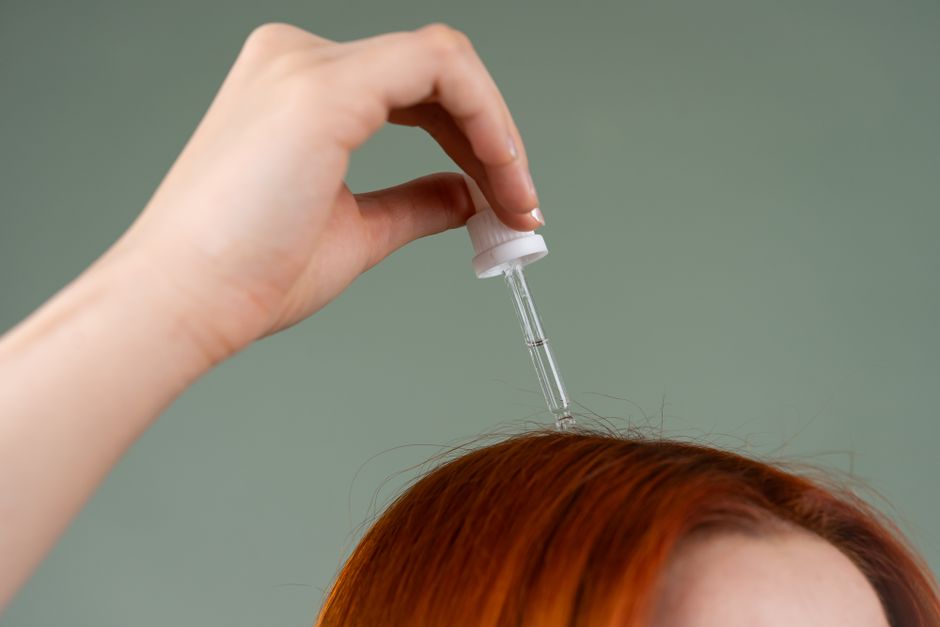
For a dry scalp, switch to a gentle, moisturizing shampoo and wash less frequently. You can apply a lightweight oil, such as jojoba or squalane, to the scalp before showering to restore moisture.
If an allergic reaction is the problem, stop using the product that caused it. An over-the-counter hydrocortisone cream can reduce redness and itching, but only use it for a few days.
For head lice, use an over-the-counter lice treatment with permethrin or pyrethrin. Comb out nits with a fine-toothed comb. All household members may need treatment at the same time.
For psoriasis, medicated shampoos with coal tar or salicylic acid can soften scales and calm inflammation. Prescription treatments are available if over‑the‑counter options are not enough.
Medicated Shampoo Ingredients: What Works for Each Cause
Different active ingredients target different scalp conditions. The table below shows which ingredients are best for which problem.
| Ingredient | Best for | How it works |
|---|---|---|
| Ketoconazole | Dandruff, seborrheic dermatitis | Kills Malassezia yeast |
| Zinc pyrithione | Dandruff, seborrheic dermatitis | Reduces yeast and bacteria |
| Selenium sulfide | Stubborn dandruff | Slows yeast growth and cell turnover |
| Salicylic acid | Scalp psoriasis, thick scales | Softens and removes scales |
| Coal tar | Scalp psoriasis, resistant dandruff | Slows skin cell turnover and reduces inflammation |
| Tea tree oil | Mild dandruff, general itch relief | Some antifungal and anti‑inflammatory properties (evidence is limited) |
Switch between two different active ingredients if one stops working or if your scalp becomes irritated. Do not use more than one medicated shampoo in the same wash.





When to See a Dermatologist for Scalp Itch
Most cases of scalp itch improve with over‑the‑counter treatments. But you should see a dermatologist if:
- The itching is severe enough to disturb your sleep or daily life.
- You see patches of hair loss, bleeding, oozing, or large areas of redness.
- The scalp is painful, not just itchy.
- Over‑the‑counter shampoos and home care have not helped after four weeks.
- You have a fever, rash elsewhere on your body, or swollen lymph nodes in your neck.
A dermatologist can examine your scalp and sometimes take a small scraping to check for fungus or other infections. Prescription‑strength shampoos, topical steroids, or oral medications may be needed for conditions like scalp psoriasis or fungal infections. Do not try to treat these at home with stronger products—you can irritate the skin further.
Everyday Scalp Care to Prevent Itch
Preventing scalp itch starts with good habits. Wash your hair often enough to remove oil and dead skin cells, but not so often that your scalp becomes dry. For most people, washing two to three times per week is enough. If your scalp is oily, you may need to wash more frequently.
Use lukewarm water, not hot water. Hot water strips natural oils and can worsen itching. Rinse shampoo thoroughly—leftover product can irritate the scalp.
Brush your hair before showering to loosen flakes and dead skin. Do not scratch your scalp with your nails. Scratching damages the skin barrier and can introduce bacteria, leading to infection. If you feel the urge to scratch, use your fingertips to gently massage the scalp instead.
Choose hair products labeled “non‑comedogenic” or “for sensitive skin.” Avoid heavy styling gels, waxes, and sprays that can build up on the scalp. If you use dry shampoo, wash it out within a day or two—it can clog pores and worsen dandruff.
Frequently Asked Questions
Can stress cause an itchy scalp?
Stress does not directly cause scalp itch, but it can worsen existing conditions like dandruff, psoriasis, and eczema. If you notice your scalp itches more during stressful periods, managing stress may help.
Is it safe to use medicated shampoo every day?
Most medicated shampoos are designed for use two to three times per week, not daily. Using them every day can dry out the scalp and make itching worse. Follow the instructions on the bottle.
What home remedies help with scalp itch?
Aloe vera gel, coconut oil, and apple cider vinegar diluted with water (one part vinegar to three parts water) may soothe mild itching. These have limited evidence but are generally safe for short‑term use. Do not use them on broken or bleeding skin.
When should I worry about an itchy scalp?
Worry if you have hair loss, bleeding, oozing, or if the itch does not improve after four weeks of consistent treatment. A doctor can rule out infections or other conditions that need prescription medication.
