
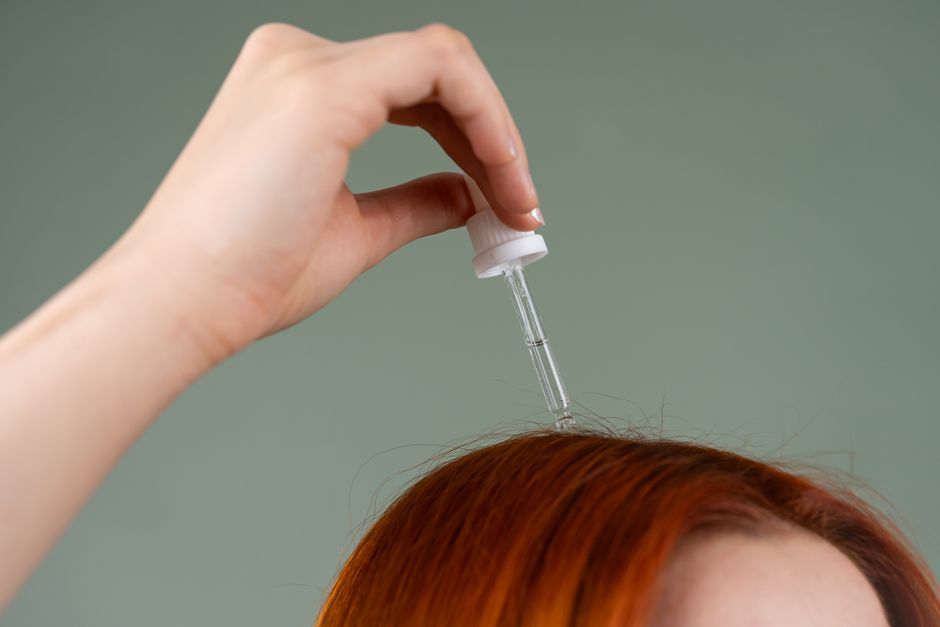
Scabs on the scalp heal on their own in most cases, and the safest approach is to leave them alone while treating whatever caused them. Picking scabs off delays healing and raises the risk of infection and scarring. If a scab is crusted, itchy, or painful, a gentle wash, soft brushing, and a plain moisturizer are usually enough. Scabs that keep coming back, bleed, or spread need a doctor’s look, because the cause matters more than the crust.
What Causes Scabs On The Scalp?
A scab is a dried clot. When skin is broken, platelets and clotting proteins form a plug, and the crust that appears over the next day or two is that plug mixed with dead cells and dried fluid. On the scalp, anything that breaks the skin surface can produce one.
The most common triggers fall into a few groups:
- Scratching and picking. Itchy scalp leads to scratching, scratching breaks skin, and broken skin forms scabs. This loop is the most common reason scabs persist.
- Seborrheic dermatitis. This is the medical name for common dandruff and cradle cap. It causes greasy, yellowish flakes and redness, mostly along the hairline and behind the ears. Scratching the itch can create small scabs.
- Scalp psoriasis. Thick, silvery plaques that can crack and bleed when scratched.
- Folliculitis. Inflammation or infection of hair follicles, often from shaving, sweat, or friction. It looks like small red bumps and can crust over.
- Contact dermatitis. A reaction to shampoo, dye, or styling products. It causes itching and sometimes weeping patches that crust.
- Head lice. The itch comes from an allergic reaction to lice saliva. Scratching the back of the head and neck is common.
- Minor injury. A bump, a scratch from a comb, or a picked pimple.
Less often, a persistent scalp sore that crusts or bleeds can be something that needs medical assessment. Skin cancer on the scalp is uncommon but real, and it is easy to miss under hair. Any spot that does not heal deserves a look.
How To Get Rid Of Scabs On Your Head Safely
The core rule is simple: do not pick. A scab is a working bandage. Lifting it reopens the wound, restarts the clock on healing, and increases the chance of a scar or infection. The body does the rest.
What actually helps:
- Wash gently. Use lukewarm water and a mild, fragrance-free shampoo. Massage with fingertips, not nails. Rinse well.
- Pat, don’t rub. Blot the scalp with a soft towel. Avoid vigorous towel drying over scabbed areas.
- Keep it moisturized. A small amount of plain petroleum jelly or a fragrance-free moisturizer over a scab can keep it from cracking. This is standard wound care for minor skin injuries.
- Resist the comb. Avoid picking at scabs with fingernails, tweezers, or combs. This is where most scalp wounds get worse.
- Trim nails short. It reduces damage from unconscious scratching, especially at night.
- Treat the itch. If the scalp itches, address the cause. An itchy scalp that keeps getting scratched will keep producing scabs.
Minor scabs usually heal within about a week to ten days. Larger or deeper ones take longer. A scab that is still there after two weeks, or one that keeps reforming in the same spot, is a signal to see a clinician rather than keep waiting.
When Should You See A Doctor About Scalp Scabs?
Most scalp scabs are harmless and short-lived. Some are not, and the difference is usually visible.
See a doctor if you notice any of the following:
- A scab or sore that does not heal after a couple of weeks
- Bleeding that keeps returning to the same spot
- Spreading redness, warmth, swelling, or pus
- Fever along with a scalp wound
- Hair loss in a patch around a scab
- A growing, changing, or oddly shaped lesion under the hair
- Severe itching that disrupts sleep
- Scabs in a child, or in someone with diabetes or a weakened immune system
These signs do not mean something serious is present. They mean the cause needs to be identified rather than guessed at. A clinician can examine the scalp directly, which is often hard to do yourself under hair.




What Treats The Underlying Cause?
Scabs are a symptom. Clearing them for good usually means treating what created them. The right approach depends on the cause, and this is where self-diagnosis often goes wrong.
For seborrheic dermatitis, medicated shampoos containing ingredients such as zinc pyrithione, ketoconazole, or selenium sulfide are commonly used. Some clinicians recommend alternating products to reduce irritation. Evidence supports these ingredients for dandruff and seborrheic dermatitis, though response varies between people.
For scalp psoriasis, treatment is different and often involves topical corticosteroids or other prescription options. Using a dandruff shampoo on psoriasis will not fix it.
For folliculitis, mild cases often settle with gentle washing and avoiding tight hats or shaving over the area. Bacterial folliculitis that persists may need antibiotics, which requires a clinician.
For contact dermatitis, stopping the triggering product is the main step. Fragrance, dyes, and some preservatives are common culprits.
For head lice, treatment requires a proven pediculicide, either over-the-counter or prescription. No home remedy has strong evidence behind it.
The pattern here matters: each cause has a different treatment, and using the wrong one can make things worse. A harsh antidandruff shampoo on broken, scabbed skin, for example, can sting and cause more irritation.
What Should You Avoid?
Some common habits make scalp scabs worse. Knowing them saves time.
- Picking and scratching. The single biggest setback. It reopens wounds and can introduce bacteria.
- Harsh shampoos on broken skin. Strong fragrances, sulfates, and medicated products can irritate open areas.
- Hot water. It strips oils and increases itching.
- Tight hats and helmets. Friction and trapped sweat can worsen folliculitis and delay healing.
- Shaving over scabs. It cuts the scab off and can spread infection.
- Untested home remedies. Tea tree oil, apple cider vinegar, and similar products are widely promoted for scalp issues. Some have mild evidence for specific conditions, but none are established treatments for scabs, and undiluted essential oils can burn skin.
One non-obvious point: many people assume a scab means infection. Most scabs are not infected. They are normal healing. Signs of infection are spreading redness, warmth, pus, and fever, not the presence of a crust alone.
How Long Do Scalp Scabs Take To Heal?
Minor scabs typically heal within about a week to ten days. The exact time depends on size, depth, and whether the area keeps getting scratched.
Healing happens in stages. First the clot forms. Then cells rebuild the skin underneath. Finally the scab loosens and falls off on its own. Picking shortens none of these stages and can restart them.
Scabs that keep returning in the same place usually mean the underlying cause was never treated. In that case, healing time is not the issue. The trigger is.
Frequently Asked Questions
Should I pick scabs off my scalp?
No. Picking reopens the wound, delays healing, and raises the risk of infection and scarring. Let scabs fall off on their own.
How long should a scalp scab take to heal?
Most minor scalp scabs heal within about a week to ten days. A scab still present after two weeks, or one that keeps reforming, should be checked by a doctor.
What causes scabs on the scalp that keep coming back?
Recurring scabs usually mean an untreated cause such as seborrheic dermatitis, psoriasis, folliculitis, or habitual scratching. Identifying the cause is the key step.
Can I wash my hair with scabs on my scalp?
Yes. Gentle washing with lukewarm water and a mild shampoo is fine and helps keep the area clean. Avoid hot water, harsh products, and rubbing the scalp vigorously.
